Defence shares get £4bn boost after John Healey confirmed as chancellor
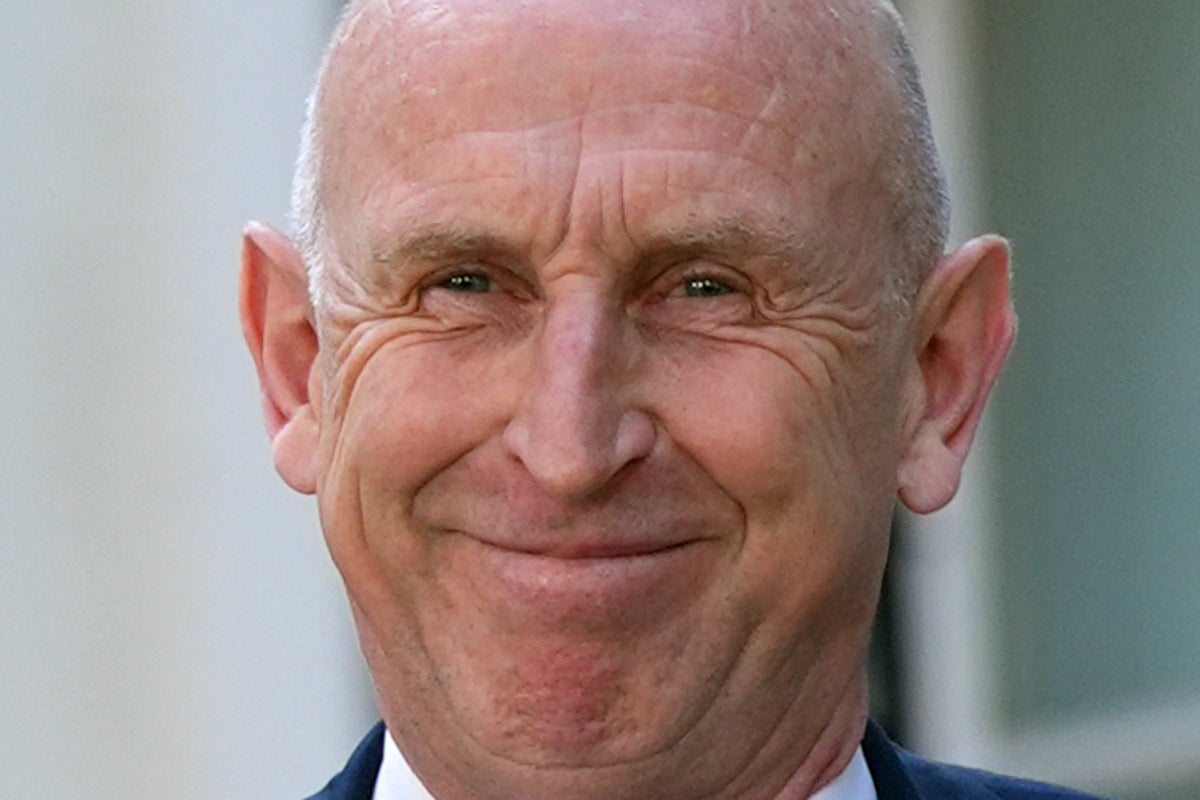
Britain's biggest defence companies have gained roughly £4bn in market value since John Healey's surprise appointment as chancellor, with investors betting the former defence secretary will push for higher military spending under new prime minister Andy Burnham. Mr Healey quit Sir Keir Starmer's government last month, accusing ministers of failing to fund defence adequately, and his elevation to the Treasury has been read by markets as a signal that spending constraints could ease. The appointment reportedly caught many Labour MPs off guard, as home secretary Shabana Mahmood had been widely tipped for the role instead.
BAE Systems led the rally, rising 3.23 per cent to add about £1.85bn in value, while Rolls-Royce climbed 1.24 per cent (£1.42bn) and Babcock surged 7.5 per cent (£400m); QinetiQ and Chemring also gained. Analysts noted Healey has previously backed "defence bonds" to fund military investment, though they cautioned that as chancellor he faces competing spending demands across government, making a substantial funding boost far from guaranteed. The sector had already been rallying amid European governments' broader military build-up since Russia's invasion of Ukraine, and attention now turns to Healey's first Budget for confirmation of investors' expectations.
In short
- Defence stocks gained £4bn after John Healey became chancellor
- Investors expect him to raise UK military spending
- Analysts warn competing Treasury demands could limit any boost
Steelman: both sides, in good faith
The strongest fair case each way — we don't pick a winner.
The case for
The United Kingdom faces genuine security challenges, particularly following Russia's invasion of Ukraine, and must sustain NATO commitments and military capabilities at a time when geopolitical threats are mounting. John Healey's appointment to the Treasury, coming after his principled resignation over inadequate defence funding, signals that the government recognises the urgent need for stronger investment in national security.
The case against
Whilst national security matters, a Chancellor must carefully balance defence spending with other critical public priorities, particularly the NHS, education, and social care, which face severe underfunding and genuine crisis. Market optimism about increased military spending may overstate what is economically feasible; realistic fiscal constraints mean that substantially higher defence investment would likely require difficult trade-offs elsewhere, making such spending increases anything but guaranteed.
Explained simply
John Healey is a senior Labour politician who has recently been appointed chancellor of the exchequer, the minister responsible for setting the government budget and deciding how much money different departments receive. He was previously defence secretary, the minister in charge of the armed forces. He left that position last month, publicly criticising the government for not providing enough funding for the military.
Healey's appointment to control the Treasury has caught investors' attention because they believe he is more likely than other senior politicians to prioritise defence spending. He has previously proposed novel funding methods to boost military investment and has been vocal about the need for greater defence resources. His move from defence secretary to chancellor has been interpreted by financial markets as a signal that military spending could increase.
Defence contractors like BAE Systems and Rolls-Royce supply equipment and services to Britain's armed forces, so higher military spending boosts their revenues and profits. Markets responded positively to Healey's appointment on the assumption that defence budgets would grow. However, as chancellor he must balance demands across all government departments, and whether he can actually deliver the spending increases that investors are anticipating remains uncertain.
Business Government Markets Politics