Deliveroo to roll out food delivery robots in parts of Britain – but boss insists they’re not getting rid of human riders
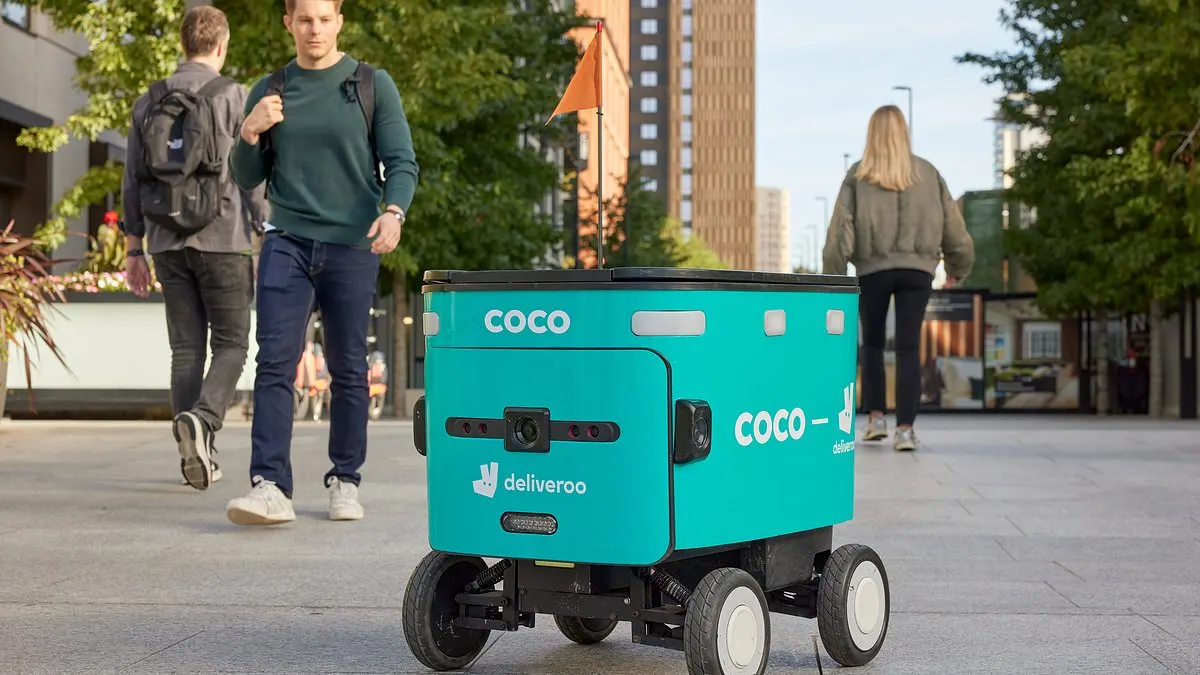
Deliveroo is launching food delivery robots in five British locations including London, Leeds and Milton Keynes, using AI-powered vehicles from US tech firm Coco. The move marks the takeaway app's latest attempt to compete with rivals Uber Eats and Just Eat as the food delivery market intensifies and DoorDash's £2.9 billion acquisition of Deliveroo in October 2025 drives pressure for growth.
The robots will operate in Canary Wharf, Milton Keynes, Leeds, Stockton-on-Tees and Nottingham, where councils already permit autonomous deliveries. Chief executive Miki Kuusi insisted the robots would not replace human riders, arguing that autonomous vehicles are inefficient for peak-time coverage and that urban areas will continue to need human delivery staff. Concerns about delivery robot safety on pavements, particularly for elderly and disabled people, have been raised by the walking charity Living Streets.
- Deliveroo launches AI robots in five UK cities, CEO insists riders won't be replaced
- CEO says robots will optimise fleet mix, not eliminate human delivery staff
- Safety concerns raised about robot impact on pavements for vulnerable groups
New here? Start with this
Food delivery apps like Deliveroo, Uber Eats and Just Eat have become widespread in Britain, using networks of human riders to bring meals from restaurants to customers' homes. These companies operate in a highly competitive market where each constantly seeks ways to reduce costs and improve speed.
Deliveroo is beginning to trial autonomous robots to make deliveries, driven by pressure to increase profits following its acquisition by American tech company DoorDash in late 2025. The robots will operate in five British cities where local councils have already authorised autonomous delivery vehicles.
Some people have raised concerns about how robots might affect elderly and disabled pedestrians, including the walking charity Living Streets. Deliveroo's leadership maintains that robots will work alongside human riders rather than replace them, arguing that humans remain essential during peak delivery times.
Both sides, in good faith
The strongest fair case each way — we don't pick a winner.
The case for
Food delivery robots represent a legitimate technological advancement that can improve operational efficiency and service capacity in an increasingly competitive market. Robots excel at complementary roles where human riders are inefficient, such as during off-peak hours or challenging weather, potentially allowing companies to maintain service quality while managing costs—a necessary response to market pressures and investment requirements. The technology creates new opportunities for logistics innovation without necessarily eliminating jobs, as the chief executive argues robots handle functions humans cannot efficiently manage, leaving human riders for peak-time demand where flexibility and reliability remain essential.
The case against
The deployment of autonomous vehicles on British pavements raises genuine and pressing safety concerns for vulnerable groups, particularly elderly and disabled pedestrians who already navigate complex urban environments. There are also legitimate worries that robots represent a long-term strategy toward workforce displacement, as commercial incentives will naturally drive expansion of the technology wherever regulations permit, regardless of current assurances about maintaining human staff. The gig economy workers who depend on delivery work for their livelihoods face real job insecurity, and the broader question of whether technology should be prioritised over employment stability and pavement accessibility deserves serious public scrutiny.