Abdul El-Sayed challenges US war strategy in Iran during Senate campaign debate
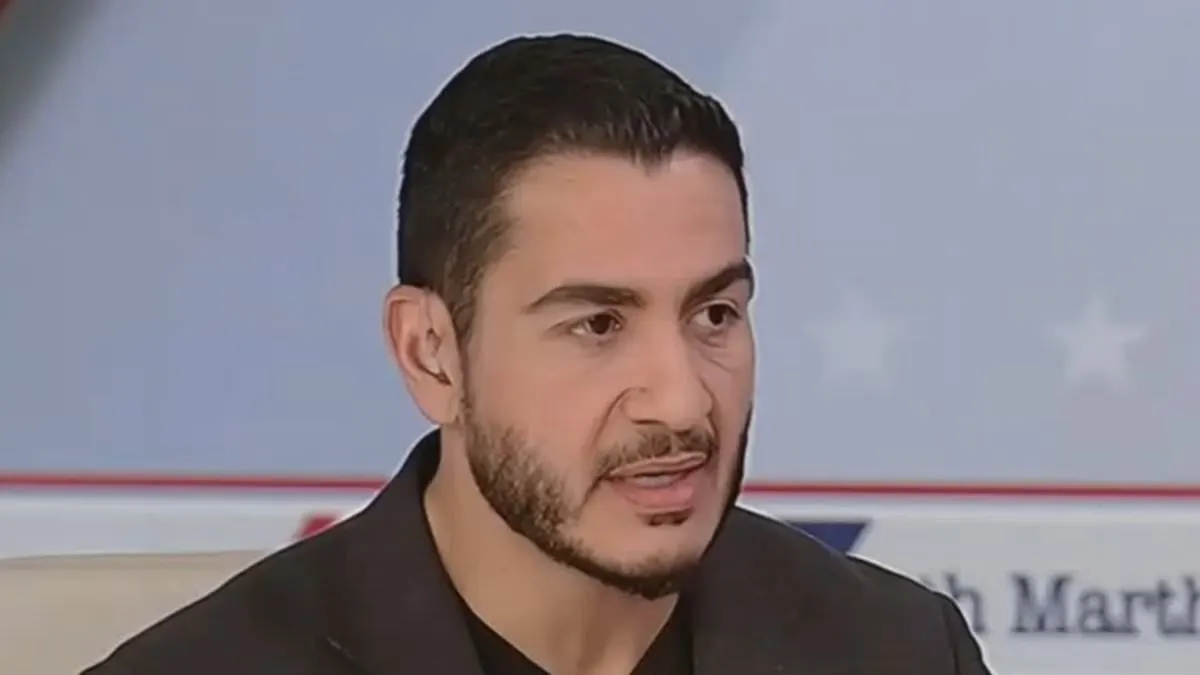
Michigan Senate candidate Abdul El-Sayed clashed with Fox News host Martha MacCallum over US military action in Iran, terrorism and rising fuel prices. The exchange highlights how opposition to the war has become a major campaign issue for El-Sayed, who is competing in a closely watched Senate race.
El-Sayed said terrorism was wrong but argued that the US could have chosen peace and questioned whether war made Americans safer. He said Iran’s nuclear threat had been contained by the Obama-era nuclear deal and linked disruption at the Strait of Hormuz to high oil and gas prices; MacCallum disputed his account, citing Iran’s alleged breaches of the deal and saying fuel prices could fall. Donald Trump later called El-Sayed “a total communist” at a rally in Nebraska.
- El-Sayed challenged US action in Iran during a Fox News interview.
- MacCallum disputed his claims about the nuclear deal and fuel prices.
- Trump later called the Michigan Senate candidate “a total communist”.
New here? Start with this
Abdul El-Sayed is a Michigan Senate candidate competing in a closely watched race. His campaign has made opposition to US military intervention a central theme.
The United States has a long history of tensions with Iran, centred on concerns about Iran's nuclear programme. The Obama administration negotiated a nuclear deal in 2015 to restrict Iran's nuclear activities, though the terms and Iran's compliance remain disputed.
US foreign policy towards Iran, including the question of whether military action is justified, has become a significant election issue. Voters' economic concerns, including fuel prices, are also connected to Middle Eastern stability, making debates about Iran policy relevant beyond foreign affairs.
Both sides, in good faith
The strongest fair case each way — we don't pick a winner.
The case for
Opponents of military intervention argue that diplomatic engagement offers a more effective and humane path to security. They contend that the nuclear agreement successfully constrained Iran's nuclear programme, and that military escalation creates humanitarian costs, regional destabilisation, and economic disruption—including disrupted shipping and rising fuel prices—without necessarily enhancing American safety. This perspective holds that negotiated settlements serve national interests and global stability more reliably than military responses.
The case against
Advocates for military readiness contend that Iran has repeatedly breached international agreements and destabilises the region through proxy forces, making diplomatic assurances insufficient without credible deterrence. They argue that military strength and demonstrated resolve strengthen negotiating positions and protect allies, whilst lacking such backing renders international agreements merely symbolic and vulnerable to exploitation.
Americas Elections Middle East Politics World
Read the full article at the source →
Originally published by Daily Mail as “Democratic Socialist Abdul El-Sayed clashes with Fox News host in heated exchange over Iran war”.