Dimmu Borgir went from arming themselves against potential murderers to the biggest band in black metal. “We heard people were starting to wear knives and weapons, so we did the same.”
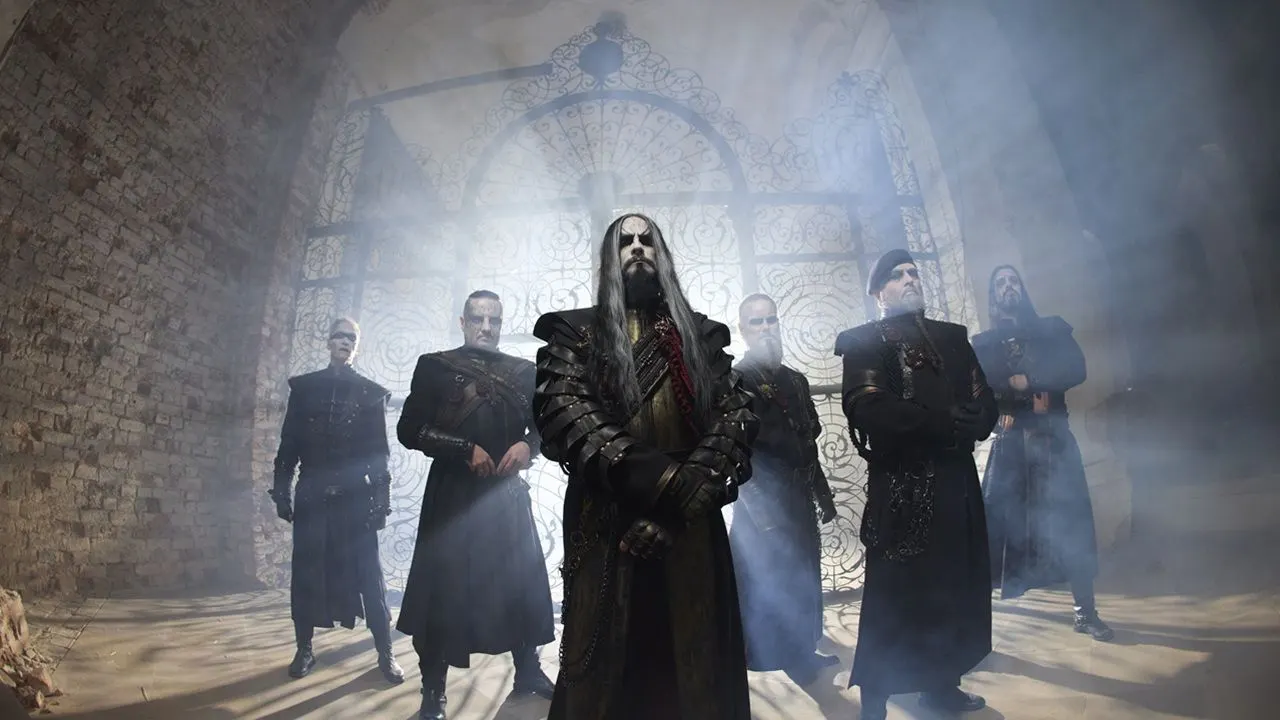
Dimmu Borgir's origins trace back to Norway's early-1990s black metal scene, a period marked by real violence, including the murder of Mayhem's Euronymous and a wave of church burnings, which left the young band's members feeling genuinely unsafe. Frontman Shagrath recalls being confronted by fellow metalheads over royalties as early as 1994, shortly after the release of their debut single, and the band responded to the era's climate of intimidation by arming themselves, reflecting how precarious and dangerous the scene was for its own members at the time.
Despite this fraught beginning, Dimmu Borgir went on to become black metal's best-selling and most commercially successful act, while also proving one of its most divisive within the genre's more purist circles. The article traces this trajectory from the band's embryonic, keyboard-laden debut release through to their rise to prominence, framed around Shagrath's own recollections of the scene's volatility, including the detail that the band began carrying knives and weapons after hearing others in the scene were doing the same.
- Dimmu Borgir formed amid 1990s Norwegian black metal violence and murder
- Band members armed themselves after others began carrying weapons
- They became black metal's best-selling yet most divisive band
New here? Start with this
Norwegian black metal emerged as a distinct musical scene in the late 1980s and early 1990s, known for its extreme, atmospheric sound and a subculture that, for a time, became genuinely violent. That period included the 1993 murder of Mayhem guitarist Euronymous and a series of church arsons carried out by people connected to the scene, creating an atmosphere of real fear and mistrust among young musicians involved in it.
Dimmu Borgir formed in this environment and, like some of their peers, felt the need to protect themselves from potential threats within the scene, including carrying weapons after hearing others were doing the same. Frontman Shagrath has spoken about being confronted over royalty disputes as early as 1994, not long after the band released its first material, illustrating how personal and precarious the scene's internal conflicts could be.
Despite these dangerous beginnings, Dimmu Borgir grew into one of black metal's most commercially successful bands worldwide, even as their more polished, symphonic style made them a divisive figure among purists who favoured the genre's rawer roots. Their story matters because it traces a path from the genre's darkest, most violent early years to mainstream success, showing how the scene's culture and reputation have evolved over three decades.