Disney’s Live-Action Moana Disappoints at Box Office, Intensifying Questions Over Remake Strategy
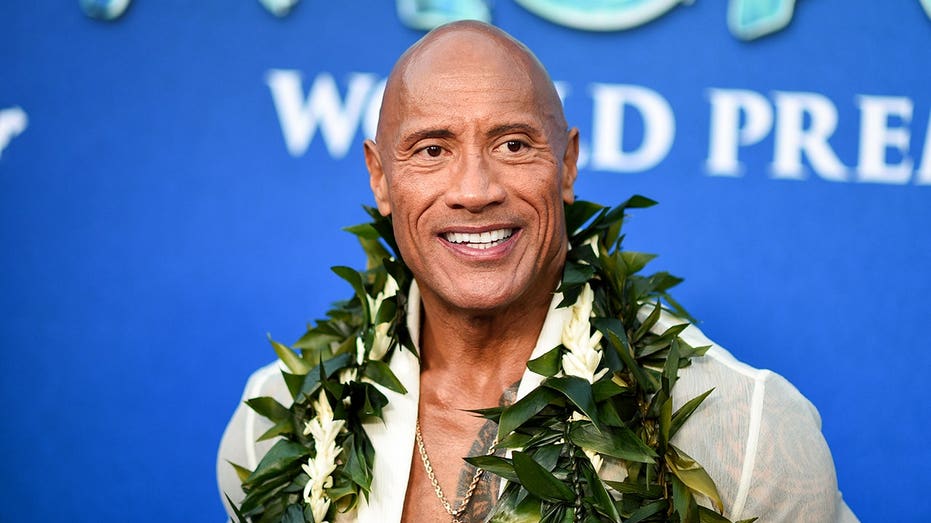
Disney's live-action remake of Moana opened to $95 million worldwide and is projected to lose $100–125 million, marking another underperformance in the studio's efforts to adapt animated classics into live-action films. The film joins other recent Disney live-action remakes, including Snow White, in failing to meet box office expectations, raising renewed scrutiny of the studio's creative direction under CEO Bob Iger's return.
The financial disappointment comes as Iger pledged a shift toward "quality over quantity" following criticism of content strategy during the prior regime. However, continued underperformance of major live-action adaptation projects suggests that audiences may have limited appetite for remaking established animated properties, even with substantial budgets and star power behind them.
- Live-action Moana opened to $95M worldwide with projected losses of $100–125M
- Another live-action remake underperformance joins Snow White and others in faltering box office results
- Raises questions about Disney's strategy of adapting animated classics as live-action films
New here? Start with this
Disney's new Moana is a live-action retelling of its own 2016 animated hit, part of a wider push to remake past cartoon successes as big-budget films with real actors, following titles such as Snow White, The Little Mermaid and Beauty and the Beast. These projects are overseen by Disney chief executive Bob Iger, who returned to the top job in 2022 partly to steady the studio's output after a period of mixed results and public criticism over its creative choices.
The strategy behind these remakes is straightforward: familiar stories and characters are seen as a safer bet at the box office than entirely new ideas, since audiences already know and often love the originals. However, several recent remakes have failed to earn back their large production and marketing costs, leading commentators to question whether the approach still works as reliably as it once did.
This matters because Disney is one of the world's biggest entertainment companies, and its choices about what to make can shape wider trends across Hollywood. Repeated underperformance from high-profile remakes also feeds into broader debates about rising film budgets, changing audience tastes, and how studios decide which stories are worth retelling.
Both sides, in good faith
The strongest fair case each way — we don't pick a winner.
The case for
Studio leadership can reasonably argue that Moana's underperformance is not a verdict on the remake strategy itself but a case of unfortunate timing and market saturation, since the original animated film is only a decade old and still widely available to stream, leaving audiences with little incentive to pay cinema prices for a story they know well. Advocates for continuing the approach would point out that live-action adaptations remain a rational use of established intellectual property in a risk-averse industry, and that a few high-profile misses do not necessarily invalidate a strategy that has produced genuine hits in the past, such as The Jungle Book and Aladdin.
The case against
Critics of the strategy can make an equally reasonable case that repeated box office disappointments, following Snow White and now Moana, are strong evidence that audiences are growing weary of being asked to pay again for stories they already own emotionally and often literally on a streaming platform. They would argue that Bob Iger's promised pivot to 'quality over quantity' rings hollow if the response to underperformance is simply more remakes rather than original storytelling, and that continued investment in this formula risks squandering goodwill and capital that could fund fresh creative work.
Coverage
- Fox News — ‘Moana’ joins ‘Snow White’ as the latest live-action Disney film to bomb at box office
- Deadline — ‘Moana’ Capsizes With $95M WW Opening; Dwayne Johnson Pic Poised To Lose $100M-$125M: Here’s Why
Business Celebrity Companies Elections Entertainment Film Markets Politics World