USB extenders work, but performance varies by type and device needs
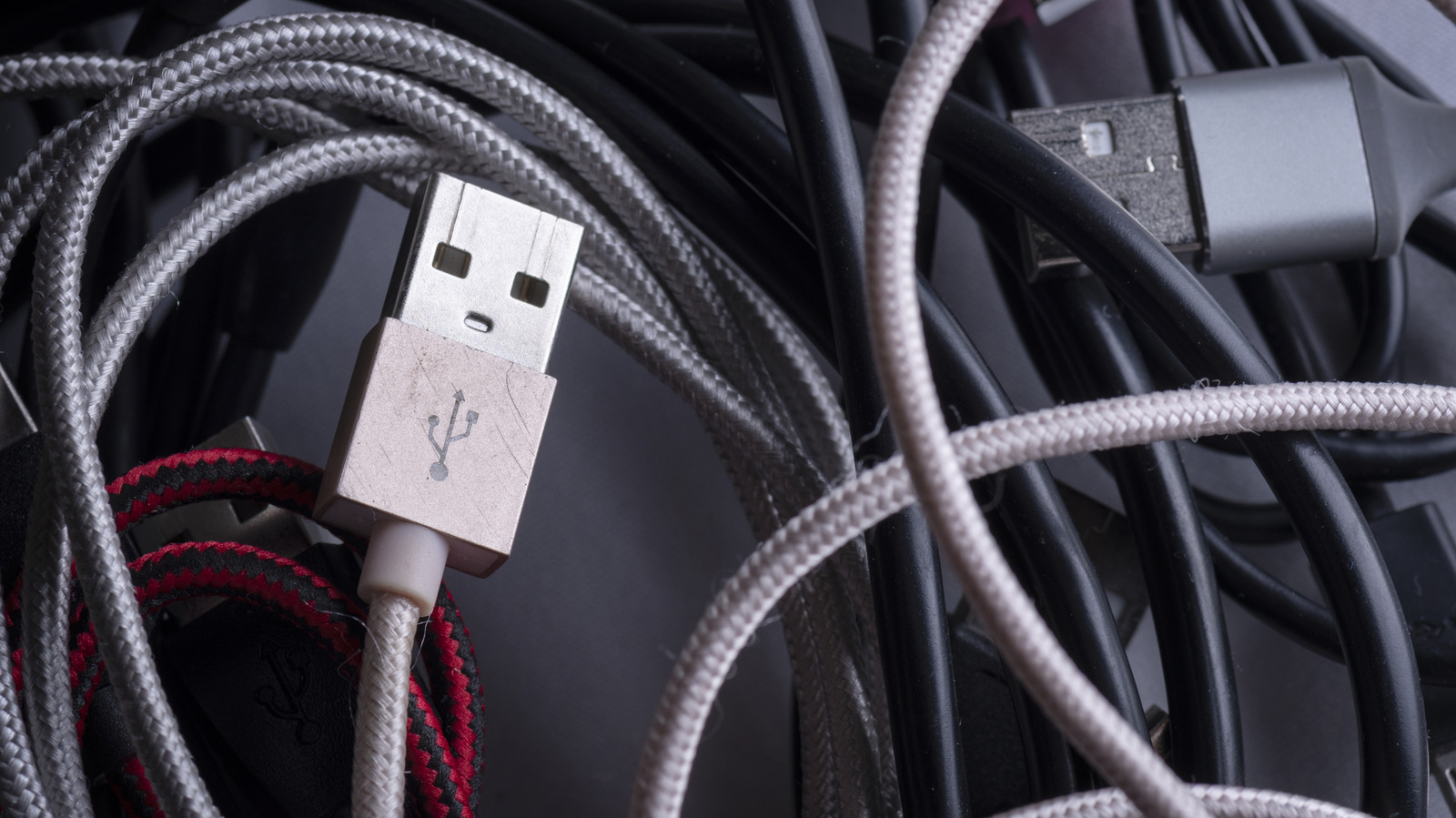
USB extenders do work, but the results depend on the type of extender and the specific requirements of the device being connected. Whilst generally safe when properly rated, they can cause problems such as slower speeds, intermittent disconnections or loss of features, particularly with demanding devices like 4K webcams, external SSDs and USB-C docks. Understanding the differences between passive cables and active extenders is essential to avoid disappointment.
Passive extension cables work up to approximately 5 metres (16 feet) for USB 2.0 and around 3 metres (10 feet) for USB 3.x, but active extenders use electronics to regenerate the signal, allowing much longer runs—for example, StarTech's 33-foot active USB 3.2 cable or Icron's Raven 3104, which operates at up to 328 feet using CAT 6a or CAT 7 cabling. With USB-C, complications multiply: power delivery supports up to 240W, but the source, device and cable must all support that level, and data speed is independent of charging speed—Anker's 10-foot USB-C cable offers 240W charging but only 480Mbps data transfer, whilst Icron's extender delivers 5 Gbps data but only 6W per port.
- USB extenders work but may reduce speed, power or features depending on type
- Passive cables limited to 3–5 metres; active extenders extend much further
- USB-C data and power specifications are independent—check both ratings carefully
Read the full article at the source →
Originally published by Engadget as “Do USB extenders really work and are they safe to use?”.