Labour bill could let private firms impose tolls on existing roads
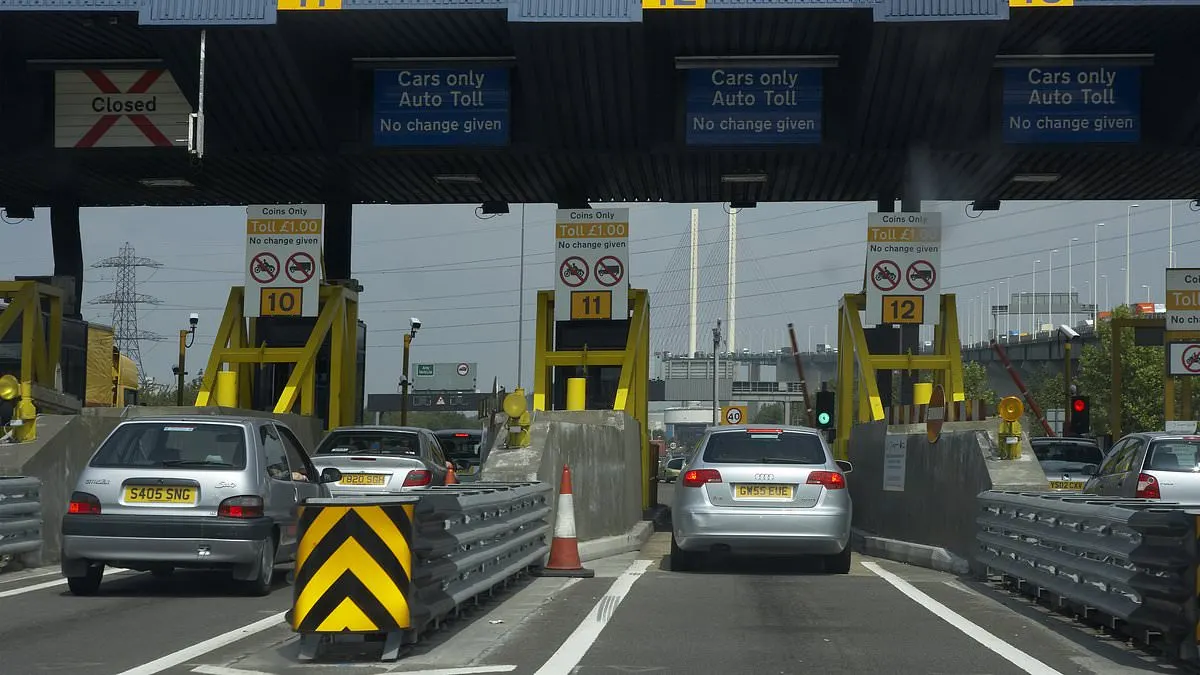
Labour's government has proposed legislation to grant private firms sweeping powers to finance road building and maintenance projects across Britain. Under the Highways (Financing) Bill, these firms would become highway authorities able to introduce tolls to recoup their investment. This represents a significant shift in how road infrastructure is funded and managed, but the government's own impact assessment warns it could lead to inflated and exploitative charges.
Private firms would be allowed to charge tolls on both newly built roads and existing highways they upgrade, even where drivers currently pay nothing. The government's assessment warns that private firms typically have superior cost information compared to regulators and may inflate expenses to be recovered through tolls, whilst the Office of Rail and Road regulator may lack sufficient capability to oversee schemes effectively. Drivers already pay £34 billion annually in fuel duty and vehicle excise duty, leading critics including Conservative transport spokesman Richard Holden to warn of Labour's "war on motorists."
- Private firms could charge tolls on upgraded roads under new Labour legislation
- Government warns of risks of inflated, exploitative tolls across the country
- Drivers already pay £34bn in fuel duty and road tax annually
New here? Start with this
The government is proposing legislation that would allow private companies to finance road projects across Britain in exchange for the right to charge tolls. Currently, road maintenance is funded through taxes such as fuel duty and vehicle excise duty that drivers pay.
Private firms approved under the scheme would become highway authorities able to introduce tolls on the roads they finance. This could apply to newly built roads and to existing roads that private firms upgrade, where no toll currently exists.
The government's impact assessment has raised concerns about how this system might work in practice. It warns that private firms typically have more detailed cost information than regulators and could potentially set tolls higher than necessary, and suggests the regulator overseeing schemes might lack sufficient resources to scrutinise charges effectively.
Both sides, in good faith
The strongest fair case each way — we don't pick a winner.
The case for
This proposal addresses a genuine infrastructure funding crisis. With the government constrained by spending limits and the UK's road network facing significant maintenance backlogs, private investment offers a practical solution. Private firms typically deliver projects more efficiently than government bureaucracies and have strong incentives to manage costs—inflating expenses would be counterproductive when seeking future concessions. The toll mechanism is fundamentally fair: those using improved or newly built roads contribute proportionally to their creation and maintenance, rather than spreading costs across all taxpayers. Private firms assuming financial and operational risk transfers that burden from the public purse, freeing resources for other priorities. The regulatory framework can be strengthened to address pricing concerns, but rejecting private investment altogether denies Britain the infrastructure improvements it genuinely needs.
The case against
This proposal risks imposing a regressive tax on ordinary motorists who already contribute substantially through fuel duty and vehicle excise duty totalling £34 billion annually. The government's own impact assessment highlights the central problem: private firms possess superior cost information and incentive to maximise returns through inflated toll charges, whilst regulators lack adequate oversight capability. Charging tolls on existing roads represents particularly problematic double-taxation—drivers have already paid for these through general taxation, yet would now face charges again to private companies seeking profit from public assets. Roads function as essential public infrastructure supporting economic productivity and social mobility; transferring control to private entities focused on extracting maximum revenue fundamentally changes their character. Drivers typically have no practical alternatives, giving firms monopolistic pricing power over those least able to absorb additional costs.
Read the full article at the source →
Originally published by Daily Mail as “Drivers face being priced off the roads by new tolls that could spring up across the country under Labour, officials admit”.