East Asia braces for destructive typhoon as landslides kill 15 in Philippines
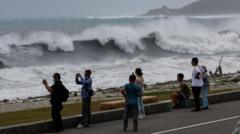
Typhoon Bavi, one of the strongest tropical storms in recent years, is moving across the Pacific toward East Asia with devastating potential. The enormous system has already triggered fatal landslides in the Philippines, and Taiwan, Japan, and southeastern China are undertaking major preventive measures including evacuating thousands, stockpiling supplies, and grounding aircraft. Taiwan's weather agency predicts Bavi will be the largest typhoon to impact the island in nearly four decades, potentially dumping a metre of rain on its northern and eastern regions.
Governments across the region are mobilising substantial resources to mitigate harm, with Taiwan deploying tens of thousands of soldiers for relief operations and Japan cancelling hundreds of domestic flights. The storm arrives as southern China is still recovering from Typhoon Maysak, which killed over 39 people and displaced more than 130,000 residents just days earlier. Warnings have been issued for northern Chinese provinces unaccustomed to typhoon preparedness, and forecasters suggest Bavi may make landfall multiple times as it progresses northward after striking Fujian province.
- Typhoon Bavi, a massive storm spanning 1,000km, is advancing toward East Asia after landslides in the Philippines killed at least 15 people; Taiwan, Japan, and southeastern China are preparing for severe impacts.
- Authorities have cancelled hundreds of flights, closed schools, and activated emergency response teams including 29,000 soldiers in Taiwan; the region faces potential rainfall of up to 1 metre and widespread infrastructure disruption.
- This storm threatens to be the largest to hit Taiwan since 1987, while northern China—less accustomed to typhoons—has been warned to strengthen preparations as Bavi's remnants could affect inland provinces.