Eerie silence and ‘still surviving’: what happened next after steel town’s last blast furnace shut down
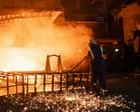
Port Talbot is adjusting to life after Tata Steel closed its last blast furnaces in 2024, ending more than a century of traditional steelmaking and costing nearly 3,000 jobs. A new exhibition, *Steeling Ourselves*, documents the town’s response, combining photographs and residents’ testimonies to show both the loss felt locally and the determination not to let the closure define or diminish the community.
The exhibition is being shown at the Plaza community hub and forms part of *After the End*, a university research project examining how communities experience major transitions. Residents describe the silence after the furnaces stopped as eerie, while the project records everyday life against the continuing presence of the steelworks and aims to ensure local voices influence regeneration plans.
- Port Talbot is coping with the steelworks’ blast furnace closure.
- Nearly 3,000 jobs were lost when Tata closed the furnaces.
- An exhibition records residents’ memories and hopes for renewal.
New here? Start with this
Port Talbot is a town on the south Wales coast that grew around its steelworks, which became one of the country’s biggest sites for making steel. For generations, the furnaces provided thousands of jobs directly and supported many local shops, contractors and families.
Tata Steel, the company that owns the site, ended traditional blast-furnace production in 2024 as it plans a different, lower-emissions way of making steel. Blast furnaces use coal to turn iron ore into iron, but they also produce large amounts of carbon dioxide; their closure raised concerns about employment, skills and the town’s future.
The change affects more than former workers because the steelworks has long shaped Port Talbot’s identity and economy. Local residents, councils, unions, the company and governments all have roles in deciding how the site changes and what new work, training and investment might follow.