Emmy Awards Make Historic Move to Amazon Prime Video with Six-Year Streaming Deal
Developing story first seen 4 hours ago
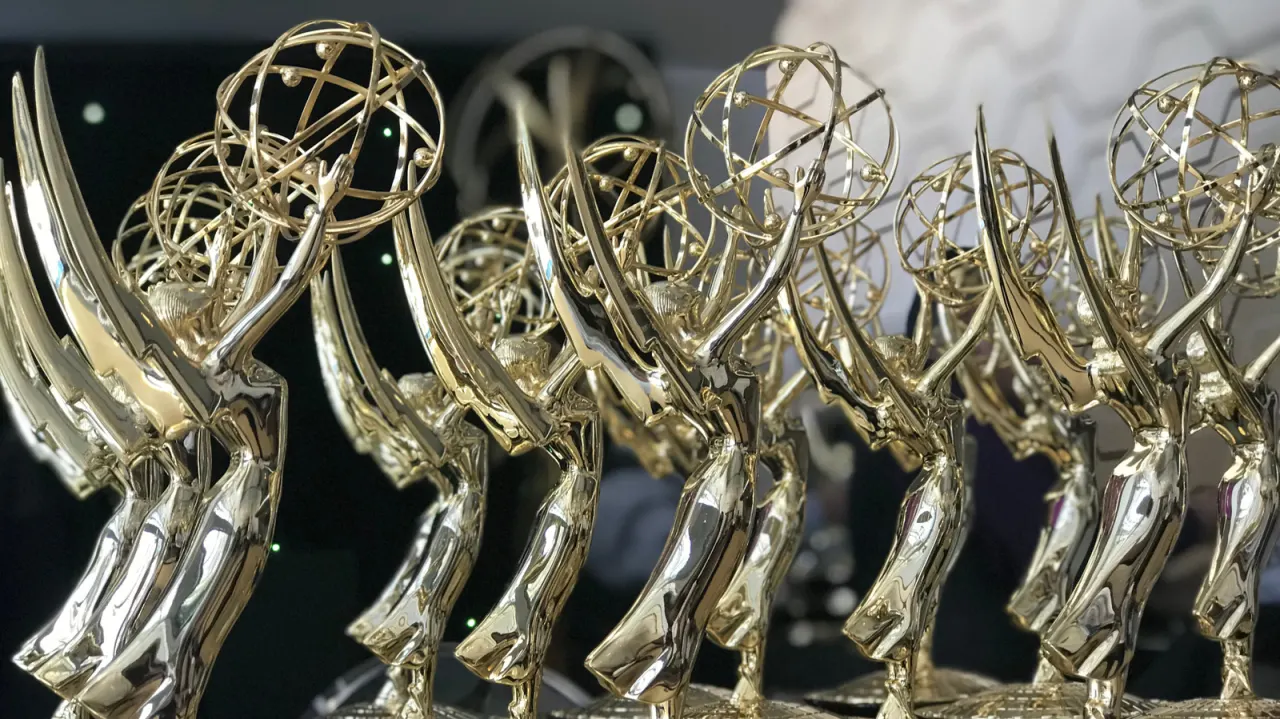
Amazon has revealed it will pay $20-25 million annually for Emmy rights in a six-year deal worth over $120 million total. The figure illustrates intensifying competition amongst streaming services for marquee live events, with Netflix securing the SAG Awards and YouTube acquiring the Oscars from 2029, reflecting these platforms' commitment to establishing themselves as destinations for premium entertainment.
The Emmy Awards will stream free to worldwide audiences on Prime Video beginning with the 2027 ceremony, without requiring a subscription. This transition reflects streaming services' already-dominant footprint in television—Apple TV achieved the most network wins at this year's Emmys, with the drama Widow's Bay alone garnering 14 awards.
- Emmys moving to Amazon Prime Video starting 2027, streaming free globally
- Amazon paying $20-25 million annually for six-year rights acquisition
- Reflects streaming platforms' competitive push for premium live entertainment
New here? Start with this
The Emmy Awards are an annual television awards ceremony that celebrates outstanding achievements in television drama, comedy, documentaries and other genres across a calendar year. For decades, the Emmys have been broadcast live on traditional television networks, reaching millions of viewers simultaneously. Now they are moving to Amazon Prime Video, a streaming platform owned by Amazon that allows viewers to watch content online at a time that suits them.
Beginning in 2027, the Emmy Awards ceremony will be available exclusively on Prime Video, and viewers will not need to pay an additional subscription fee to watch. This marks a significant industry shift, as the Emmys become the first major entertainment awards ceremony to abandon traditional broadcast television entirely and rely solely on streaming as their distribution method.
The move reflects broader changes affecting the television industry, where traditional broadcast networks have experienced declining audiences as viewers migrate to streaming platforms and online video services. Streaming companies like Amazon increasingly compete for major live events to attract and retain subscribers, whilst broadcast networks struggle to maintain large simultaneous audiences. This transition illustrates how entertainment distribution is fundamentally changing, with streaming platforms now controlling how and when audiences experience significant cultural moments.
Both sides, in good faith
The strongest fair case each way — we don't pick a winner.
The case for
This represents a pragmatic adaptation to how audiences actually consume entertainment, particularly younger demographics who have largely abandoned traditional television for streaming platforms. Amazon's investment ensures the ceremony receives substantial production resources and reaches global viewers who lack cable subscriptions, whilst the free, ad-supported model on Prime Video maintains widespread accessibility without requiring paid subscriptions or traditional television infrastructure.
The case against
Traditional broadcast networks have historically guaranteed that major cultural moments remain freely accessible to all citizens regardless of wealth or digital infrastructure, and this shift toward streaming consolidation risks fragmenting society's shared viewing experiences across proprietary platforms owned by technology companies. Weakening broadcast television's role in distributing significant events undermines its function as a genuine public forum and tilts media power further toward tech giants, whilst potentially excluding audiences with unreliable internet access or those who rely on traditional television.
Full account
Amazon has secured the exclusive rights to broadcast the Emmy Awards ceremony, marking a significant departure from decades of tradition. The streaming giant will provide Prime Video as the platform for the awards show, beginning with the 2027 ceremony. The arrangement ends a long-standing pattern wherein four major broadcasters—ABC, CBS, FOX, and NBC—rotated hosting duties for the prestigious awards annually.
The six-year contract represents a substantial investment, with reports indicating Amazon will pay between $20 million and $25 million annually for the rights. Viewers will not require a Prime Video subscription to access the ceremony, which will be available free of charge globally across more than 240 countries and territories, beginning with the September 2027 broadcast. The total value of the deal is estimated to exceed $120 million over its six-year duration.
The move represents a historic moment for entertainment awards. The Emmys become the first major awards ceremony to transition exclusively to a streaming platform, preceding the Academy Awards' planned shift to YouTube in 2029. The transition also reflects the increasing dominance of streaming services within Emmy categories themselves. This year's awards demonstrated streaming platforms' prominence, with Apple TV+ securing the greatest number of network awards and streaming-exclusive productions dominating major categories.
The Emmy shift reflects a wider strategic pivot by streaming services to secure marquee live events. Netflix recently acquired exclusive rights to broadcast the Screen Actors Guild Awards, whilst multiple platforms continue competing for prestige programming. Television Academy officials characterised the arrangement as providing unprecedented worldwide distribution whilst deepening the institution's commitment to supporting its mission. However, questions remain regarding the future broadcasting arrangements for certain Emmy categories, such as the Creative Arts Emmys, which traditionally receive separate coverage.
Where outlets differ
Source 1 emphasises the novelty and irony of departing from traditional broadcast networks; Source 2 contextualises the move within the broader industry trend of streaming services acquiring major live events
Source 1 specifically raises uncertainty about the Creative Arts Emmys' future broadcasting home; Source 2 does not address this question
Source 2 includes institutional perspective through a direct quote from the Television Academy chair; Source 1 presents information without such commentary
Source 1 emphasises the Emmys' precedence over the Oscars moving to streaming; Source 2 presents concurrent industry developments across multiple awards ceremonies