Sport news and discussion on TalkFuse.
England’s best World Cup for 60 years – but how should it be judged?
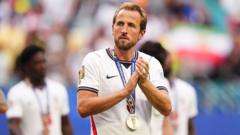
England achieved their strongest World Cup showing in six decades by securing third place, defeating France 6-4 in the bronze medal match after entering as the world's fourth-ranked team. The campaign marks only their third semi-final appearance since their 1966 tournament triumph.
However, the achievement has been overshadowed by the semi-final defeat to Argentina and subsequent squad tensions regarding manager Thomas Tuchel's in-match tactical decisions during knockout rounds. Some players privately disputed whether the team retreated into overly defensive formations at critical moments, dividing observers on whether this represents progress toward future success or a wasted opportunity to reach the final.
In short
- England finished third at the 2026 World Cup, their best result since winning in 1966
- Optimism has been dampened by the semi-final loss to Argentina and reported player disagreements over manager Tuchel's defensive tactics
- The result raises questions about whether the team had better opportunity that was squandered through tactical choices
Steelman: both sides, in good faith
The strongest fair case each way — we don't pick a winner.
The case for
England's third-place finish represents the team's strongest World Cup performance in six decades and demonstrates genuine progress under a newly appointed manager. The squad proved competitive against elite opposition and reaching the semi-finals with the world's fourth-ranked ranking represents a solid foundation for future tournaments. Judging success solely by one knockout match overlooks the consistency required to finish above established competitors.
The case against
As the world's fourth-ranked team, England underperformed relative to their talent and pre-tournament expectations. The semi-final loss to Argentina, coupled with reports that defensive tactical choices prevented a realistic path to the final, suggests a wasted opportunity rather than meaningful progress. The squad tensions and private player disagreements about in-match decisions indicate the team was not optimally deployed when it mattered most.
Explained simply
England secured third place at the 2026 World Cup, their best performance in six decades, by defeating France 6-4 in the bronze medal match. The world's fourth-ranked team on entering the tournament, they reached the semi-finals for only the third time since their 1966 World Cup success.
England's 1966 World Cup victory remains their sole world championship and is deeply significant in the nation's football history. Semi-final appearances at the World Cup have been uncommon in the decades since, making this year's deep run notable within the broader context of English football's tournament performances.
Assessing the merits of this campaign depends on multiple factors. Observers may consider the team's initial ranking, the strength of opposition faced and how they performed in crucial moments, among other considerations, when forming a view on what this achievement represents.