EV batteries last longer than drivers feared
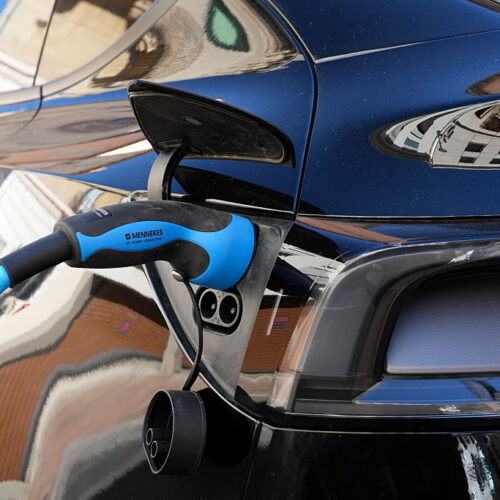
A new study suggests electric vehicle batteries are proving more durable than many drivers fear, with used EVs typically retaining around 90% of their original usable battery capacity after 150,000 km. This addresses a major concern that has held back some prospective buyers from switching from petrol to electric cars, and comes as industry groups push for standardised battery health checks to build trust in the used EV market.
The research, by Austria-based battery health analyst Aviloo, drew on more than 500,000 tests across 20 popular EV models, including Tesla's Model Y and Volkswagen's ID.4, conducted between 2022 and 2026. Median battery health ranged from 91-97% after 50,000 km down to 87-94% after 150,000 km, though degradation varied considerably even within the same model depending on climate, battery size and driver habits — the Nissan Leaf ZE1 showed the widest spread, at 13.5 percentage points. Aviloo's chief executive Marcus Berger noted that, unlike petrol cars, an EV's age and mileage don't reliably indicate its condition, and advised owners to avoid parking with the battery charged above 80% or below 30% to slow degradation.
- Used EVs retain about 90% battery capacity after 150,000 km, study finds
- Degradation varies widely by climate, battery size and charging habits
- UK EV groups want mandatory battery health certificates for used cars