Even I’m not English under Suella Braverman’s ‘ridiculous’ test, says Jacob Rees-Mogg as he swipes at Reform UK defectors
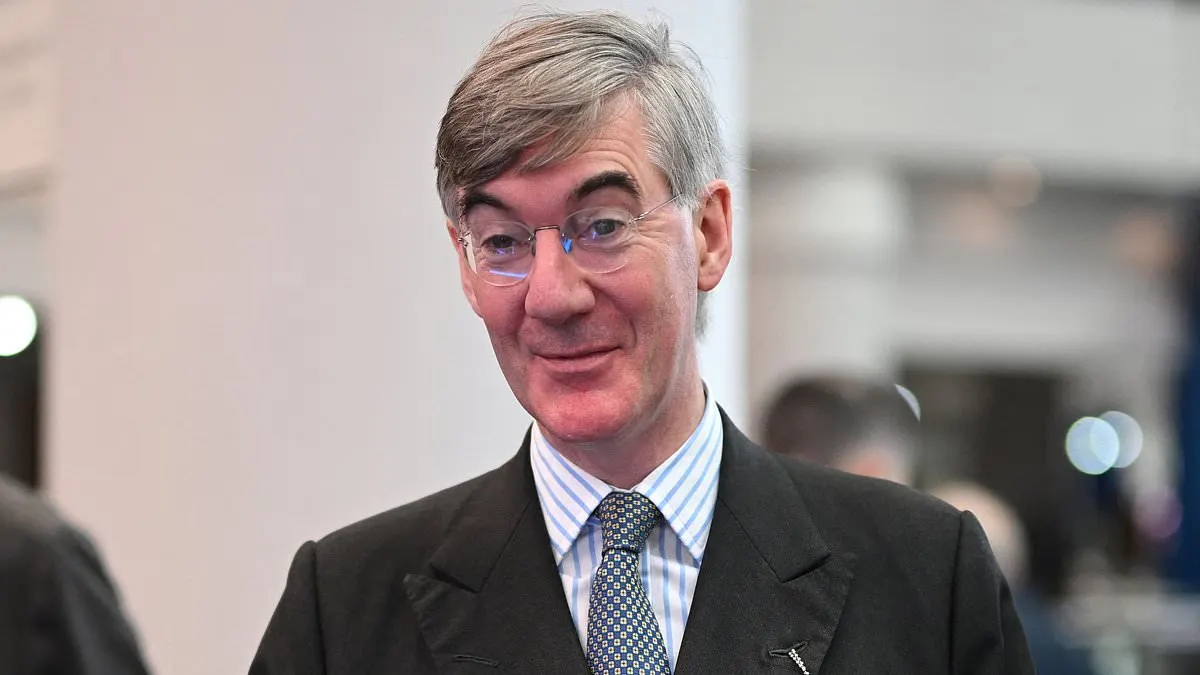
Jacob Rees-Mogg criticised Suella Braverman’s view that English identity depends on family heritage, calling it too narrow. He said people born in England, or those who move there and become British citizens, should be able to identify as English, and argued that Englishness and Britishness are often treated as synonymous.
Braverman, who joined Reform UK in January, has described herself as British of Asian ethnicity rather than English; Rishi Sunak also warned that defining nationality by ancestry risks turning it into a “DNA test”. Rees-Mogg said Braverman’s suggested five-generation test would exclude even him, and expressed concern about ethno-nationalism, while criticising fellow Conservative defector Robert Jenrick’s economic policies as resembling those of David Cameron’s government.
- Rees-Mogg rejected Braverman’s ancestry-based test for Englishness.
- He said people born in England should be able to identify as English.
- He also criticised Jenrick’s economic policies and warned about ethno-nationalism.
New here? Start with this
Jacob Rees-Mogg, a Conservative Member of Parliament, has criticised Suella Braverman's approach to defining what it means to be English. Braverman, who was previously a Conservative Home Secretary before joining Reform UK in January, has suggested that English identity should be based on family heritage and ancestral background rather than simply being born in England or obtaining British citizenship.
Braverman has described herself as British of Asian ethnicity rather than English. Rees-Mogg has called this approach too narrow and expressed concern that defining nationality by ancestry could lead to ethno-nationalism.
The disagreement highlights broader questions about what national identity means in modern Britain and who can claim to be English. The debate has gained prominence following the move of prominent Conservative figures to Reform UK, revealing party divisions over the nation's identity and values.
Both sides, in good faith
The strongest fair case each way — we don't pick a winner.
The case for
The position that English identity meaningfully relates to cultural and ancestral heritage reflects a view that national identity carries historical continuity and cultural significance beyond mere legal status. Those holding this view contend that nations possess distinctive characteristics shaped by their histories and traditions, and that preserving and understanding these cultural inheritances matters. Being English, from this perspective, means participating in and valuing the particular cultural, linguistic, and historical traditions that have evolved in England—traditions often connected to family and ancestral ties spanning generations. This isn't necessarily exclusionary, but rather acknowledges that deep cultural belonging sometimes emerges from long-standing connections to a place and its heritage.
The case against
The position that English and British identity should centre on civic rather than ancestral criteria reflects a view better suited to modern, pluralistic democracies. Those holding this perspective argue that allowing anyone born in or naturalised into a nation to claim full national identity is fairer and more practically sound than ancestry-based definitions, which risk becoming ethno-nationalist. National identity should be inclusive and forward-looking, based on present participation and future commitment rather than genealogical barriers, they contend. In diverse contemporary societies, identity works best when it welcomes all full members as equal participants rather than placing arbitrary tests on who can truly belong.