Culture news and discussion on TalkFuse.
‘Even its loos are on the outside!’ Hi-tech, inside-out marvel the Lloyd’s building is partying with the public
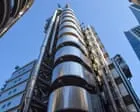
The Lloyd's building, Richard Rogers' hi-tech landmark in the City of London, will open to the public for one day as part of its 40th anniversary celebrations and London's Open House festival. It is the first time the building has admitted visitors since 2014, offering a rare chance to see the interior of a structure whose futuristic, inside-out design has divided opinion since it opened in 1986, having been likened to a monster, an oil rig and even the Parthenon.
Free tickets are released on 19 August for the single open day on 19 September, with tours taking in the underwriting room and the historic Adam Room, plus insight into the building's design. Famous for its exposed concrete frame and six external steel towers housing lifts, staircases and ducts, Lloyd's became the youngest building ever to receive Grade I-listed status in the UK in 2011. Festival director Celia Mead described it as "a masterpiece of radical, inside-out architecture" reflecting London's confidence, noting its double-height trading floor and galleried atrium beneath a barrel-vaulted roof 14 floors up.
In short
- Lloyd's building opens to the public for one day, first time since 2014
- Free tickets available from 19 August for the 19 September tour
- Richard Rogers' 1986 hi-tech design became Grade I-listed in 2011
Steelman: both sides, in good faith
The strongest fair case each way — we don't pick a winner.
The case for
The Lloyd's building represents a masterpiece of honest, innovative architecture that prioritises functional clarity and visual integrity. Its inside-out design—with lifts, staircases and services exposed on the exterior—demonstrates architectural bravery and reflects genuine structural logic rather than superficial ornamentation. The building's Grade I-listed status at just 25 years of age testifies to its recognised cultural and architectural significance, whilst its radical approach to the trading floor and atrium creates a dynamic, functional space that has served its purpose superbly whilst inspiring architects worldwide.
The case against
Regardless of its conceptual merit, the Lloyd's building creates a visually jarring, fortress-like presence that prioritises intellectual abstraction over human experience and beauty. Its exposed industrial elements—the ducts, towers and stark concrete frame—produce an alienating rather than welcoming aesthetic that dominates the City skyline with aggressive modernism. Whilst functional honesty is architecturally valid, it does not guarantee visual harmony or contribution to urban beauty; the building's uncompromising exterior, likened to a monster or oil rig, suggests that form need not follow function so literally at the expense of grace and integration with London's historic fabric.
Explained simply
Lloyd’s of London is a marketplace where specialist insurers arrange cover for risks such as ships, buildings and businesses. It is made up of member organisations and brokers, and its distinctive trading room is where insurance deals are discussed and placed.
The building was designed by architect Richard Rogers and opened in 1986. Its lifts, staircases and service pipes sit in towers on the outside, leaving open floors and a tall central atrium within; this approach became known as “inside-out” design.
Its unusual appearance has drawn both criticism and admiration, and the building received Grade I listed status in 2011, recognising its architectural importance. Its public opening is part of London’s Open House festival, which gives visitors access to buildings that are not usually open to them.
Art Culture Entertainment Horror