Ewan McGregor’s 6-Episode Sci-Fi Series Is the Most Underrated Space Opera of the Decade
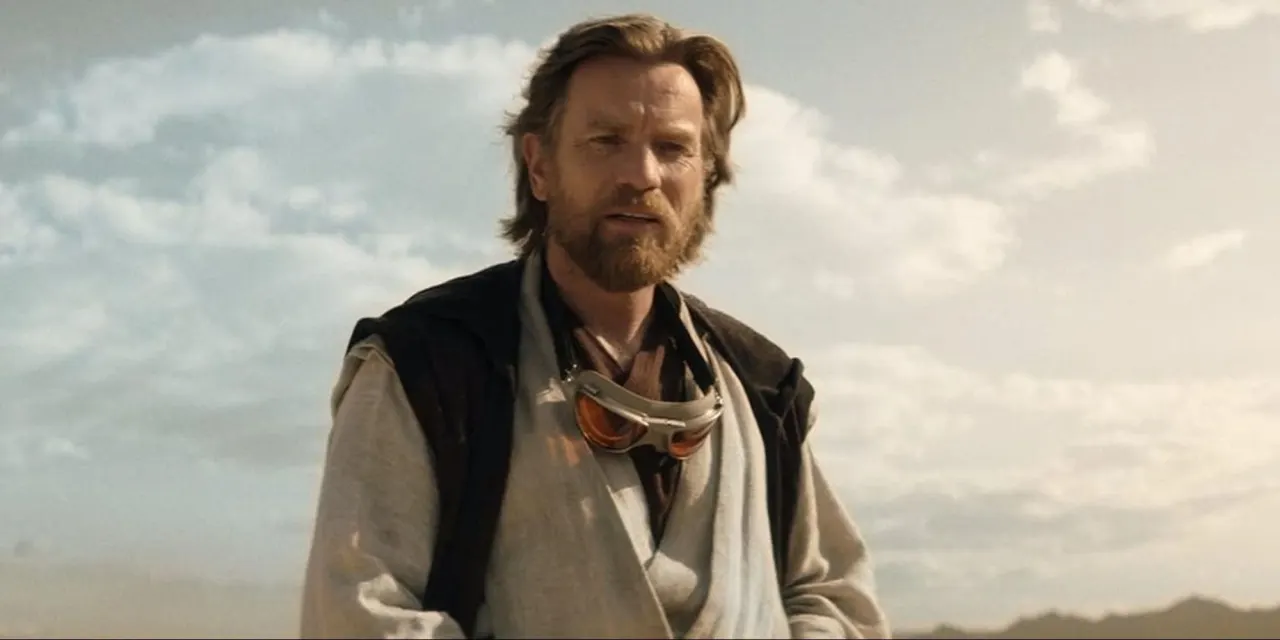
Collider argues that Obi-Wan Kenobi is an overlooked space opera because it gives Ewan McGregor’s character a focused emotional journey between the Star Wars prequels and the original 1977 film. The six-part series depicts Obi-Wan as traumatised and isolated after Anakin Skywalker’s fall, then gradually restores his sense of purpose through protecting the Skywalker children, particularly after Leia is kidnapped.
The article highlights McGregor’s performance as a more vulnerable, older Obi-Wan and says the series usefully expands relationships only briefly established in earlier films, including those with Bail Organa and Owen Lars. It also notes the return of Hayden Christensen as Darth Vader, Jimmy Smits as Bail, Joel Edgerton as Owen, and Liam Neeson as Qui-Gon Jinn, whose appearance signals Obi-Wan’s renewed connection to hope and the Jedi path.
- Obi-Wan Kenobi explores the Jedi’s recovery from guilt and isolation.
- McGregor’s performance is presented as the series’ main strength.
- Returning characters deepen links between Star Wars trilogies.
Both sides, in good faith
The strongest fair case each way — we don't pick a winner.
The case for
Supporters argue that Obi-Wan Kenobi is a valuable, self-contained character study within a vast franchise: its limited six-episode form gives Ewan McGregor room to portray grief, guilt and renewed purpose with unusual intimacy for Star Wars. They contend that the series meaningfully bridges the prequels and the original film, deepening Obi-Wan’s ties to Leia, Bail Organa and Owen Lars while making his eventual resilience feel earned.
The case against
Critics may argue that the series is not genuinely underrated but rather a mixed franchise expansion whose emotional premise is stronger than its execution. From this view, its reliance on familiar characters, retrospective connections and repeated encounters with Darth Vader risks straining established continuity and reducing the mystery or finality of earlier films, while uneven pacing and production choices prevent it from reaching the level of the decade’s strongest space operas.