Ex-New York Magazine writer announces he will ‘take some time away’ after plagiarism scandal
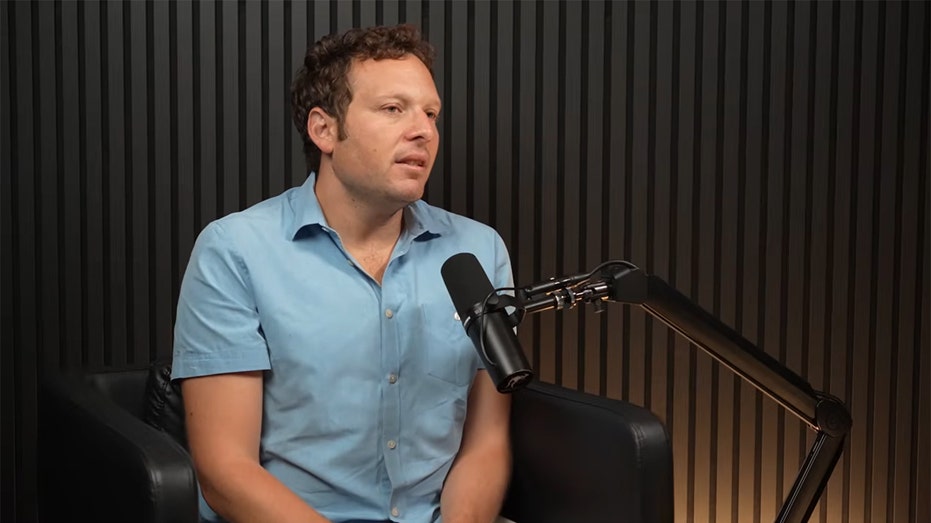
Ross Barkan, the former New York Magazine writer and editor-in-chief of The Metropolitan Review, has said he will take time away to "self-reflect" following a series of plagiarism allegations levelled against him. The announcement, made on Wednesday, comes as he issued a fresh apology over the mounting controversy, which has already damaged his standing at both publications and raised broader questions about editorial standards in journalism.
Barkan's statement began with a direct acknowledgement of wrongdoing, saying he was "sorry" for the mistakes he made, though the article does not detail the full extent of the plagiarism claims or how many instances were involved. The episode follows growing scrutiny of his published work and marks a significant setback for a writer who had built a prominent media profile, with his decision to step back suggesting the allegations were serious enough to prompt a pause in his public writing career.
- Ross Barkan apologises again after plagiarism allegations surface
- Former New York Magazine writer plans to take time away
- He says he will "self-reflect" amid the scandal
New here? Start with this
Political and media scandals involving accusations of plagiarism have become a recurring flashpoint in American journalism in recent years, as outlets face pressure to scrutinise sourcing and originality more closely. Ross Barkan is a writer who built his career at New York Magazine before going on to found and edit The Metropolitan Review, a publication he set up independently. He has also been active as a political commentator and author, giving him a reasonably high profile within US media and literary circles.
The current controversy centres on allegations that Barkan lifted material from other writers without proper attribution across his published work. Such claims strike at a core principle of journalism, that writers credit the sources and language of others, and can seriously damage a reporter's credibility as well as the reputation of the outlets that published them. Because Barkan held senior roles at two publications, the fallout extends beyond his own byline to questions about the editorial checks in place at both.
This matters because plagiarism disputes often prompt wider conversations about how newsrooms verify originality and handle accountability when standards are breached. Readers coming to this story fresh should understand that it involves a named journalist responding publicly to specific allegations, rather than a broader industry investigation, though the episode may still feed into ongoing debates about trust in media.