Ex-PlayStation boss doesn’t know if Sony killing physical games is “such a big issue” since players need to download patches and extra data anyway
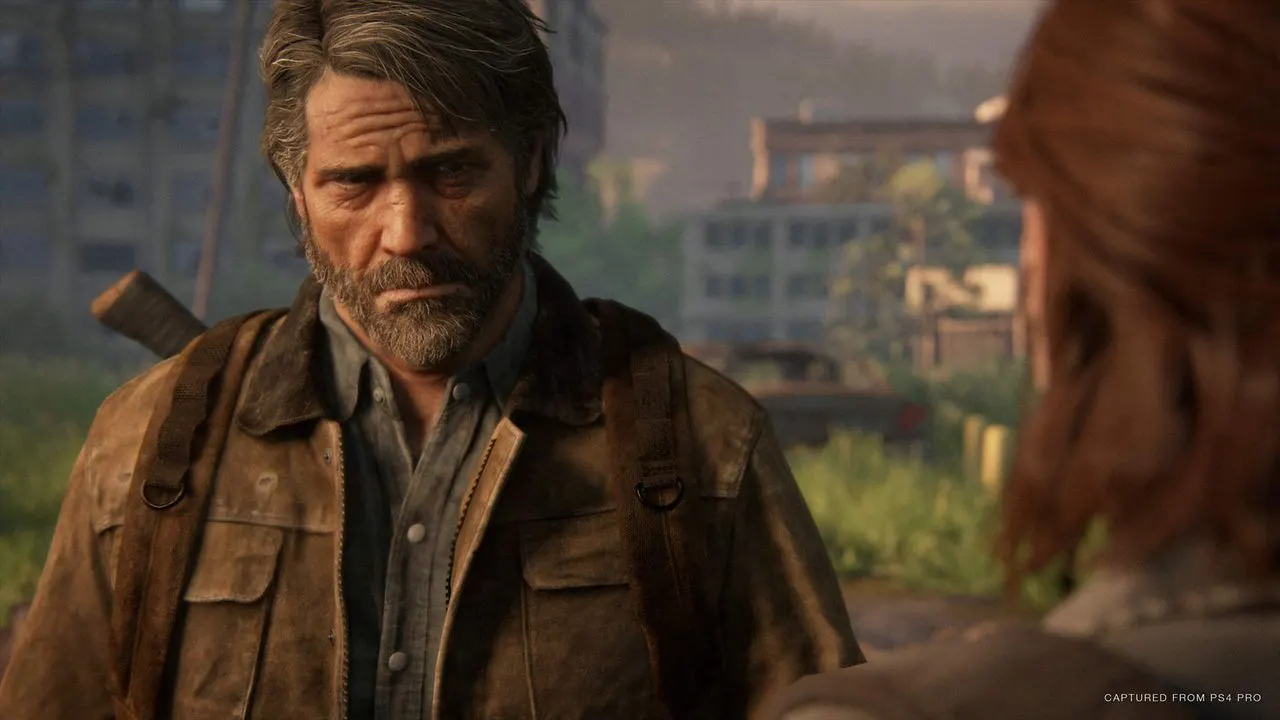
A former PlayStation executive has said he is unsure whether Sony's move away from physical games represents a major problem, arguing that players already rely heavily on digital downloads to patch and update their games regardless of whether they own a disc. The comments touch on the ongoing debate within the games industry about the decline of physical media, as major publishers increasingly favour digital-only releases and console makers scale back disc-based hardware options.
Specific figures and further remarks from the executive were not available in the source material provided. The broader context is Sony's continued shift towards digital distribution for PlayStation titles, a trend that has drawn criticism from collectors and preservationists concerned about game ownership and long-term access, even as day-one patches and additional downloadable content have become standard regardless of purchase format.
- Ex-PlayStation boss downplays concerns over Sony ditching physical games
- Argues patches and extra downloads are needed either way
- Reflects wider industry shift towards digital-only releases
New here? Start with this
PlayStation games can be bought on disc or downloaded from an online shop. A disc can hold the main game, but many titles also need updates downloaded after release, and some content is sold separately.
Game makers and console companies have increasingly shifted towards digital sales, while some consoles are sold without a disc drive. This raises questions about how much players depend on physical copies and what happens to access when a game is tied to an online store.
The issue matters to collectors and people concerned with preserving games, as well as players weighing convenience and choice. A disc may offer a physical copy, but updates and extra content can still depend on downloads.
Both sides, in good faith
The strongest fair case each way — we don't pick a winner.
The case for
Ownership and preservation are fundamental concerns: when publishers delist digital games, players lose access permanently whilst physical media provides individual ownership independent of corporate servers. Games are cultural artefacts—future generations deserve to access these works, which becomes impossible when access depends entirely on active corporate infrastructure that may cease to exist. The argument about necessary patches misses the point: patches update games, but without foundational physical media, players lose the product entirely. For those with limited broadband, those sharing consoles, or those valuing ownership in principle, digital-only represents genuine loss of consumer autonomy.
The case against
Modern games require digital components fundamentally, making the distinction between physical and digital increasingly academic. Players already accept day-one patches, balance updates, and connected features as essential to contemporary gaming, rendering the physical disc largely symbolic. Digital distribution offers genuine benefits: convenience, cost-efficiency, environmental sustainability, and ensuring revenue reaches creators rather than secondary markets. Market evidence suggests this shift reflects genuine player preference, with digital sales substantially outpacing physical.