F1 in Bahrain… in Malaysia: The race needed a software update to start
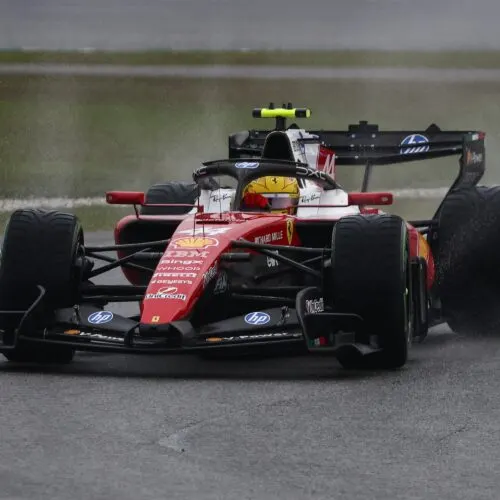
The 2026 Bahrain Grand Prix was relocated to Malaysia's Sepang circuit due to the ongoing conflict with Iran, where torrential rain caused significant delays before the race start. A previously undetected software bug in the cars' hybrid power systems subsequently malfunctioned during formation laps behind the safety car, triggering automatic 60-second shutdowns of the electric motors in roughly half the field and creating chaos on the track.
The software bug occurred because the cars' wet-weather safety settings, designed to reduce power in certain sectors during rainy conditions, had barely been tested in pre-season development. When drivers slowed considerably behind the safety car in extremely wet conditions, the combination of reduced hybrid power and unusually slow speeds triggered a hard-coded anti-cheating rule that the software incorrectly interpreted as foul play. The FIA quickly identified the problem and distributed a software fix within approximately 20 minutes, allowing teams to update their cars' systems and restart the race around an hour after the initial failed attempt.
- Race relocated to Malaysia and delayed by heavy rain and software bug
- Software bug shut down half the field's hybrid motors in formation lap
- FIA fixed bug in 20 minutes; race restarted after one hour delay
New here? Start with this
The 2026 Bahrain Grand Prix, a major Formula One race, was relocated to Malaysia's Sepang circuit due to an escalating conflict involving Iran in the region. The race faced significant delays because of torrential rain.
During the lap before the race started, a previously undetected software flaw in the cars' hybrid power systems caused roughly half the field to experience automatic 60-second shutdowns. The problem stemmed from wet-weather safety settings designed to limit power output during rain, which had not been adequately tested before the season began. When drivers slowed behind the safety car in the heavy downpour, the cars' systems misinterpreted this as a rule violation and shut down the electric motors.
Formula One's governing body, the FIA, identified the software issue and released an update within about 20 minutes, allowing the race to restart roughly an hour after the failed start. The incident showed how advanced technology in modern Formula One racing can create unexpected vulnerabilities when systems lack proper testing.
Art Celebrity Culture Entertainment Motorsport Software Sport Technology