Politics news and discussion on TalkFuse.
Fauci’s contempt of Congress is challengeable, but not his contempt for the public
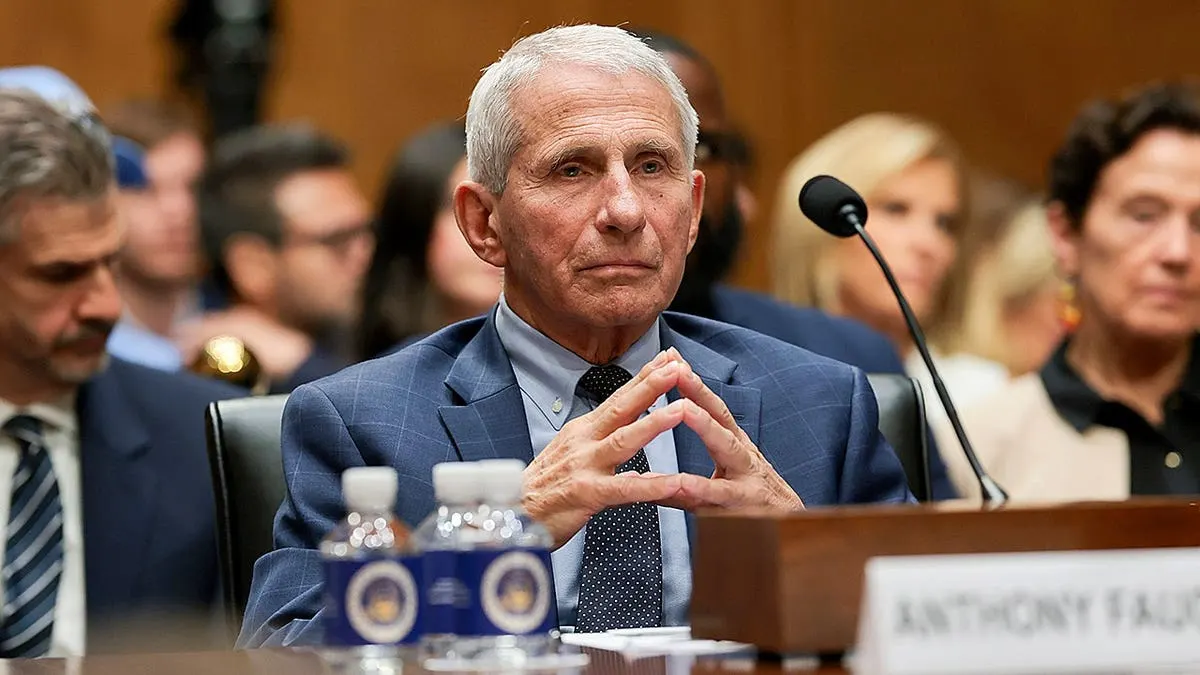
The article argues that Dr Anthony Fauci’s refusal to answer more than 100 Senate committee questions could lead to a contempt of Congress process, but that any such case would face significant legal and political obstacles. It contends that, regardless of whether the contempt effort succeeds, Fauci has failed to provide the public with adequate answers about his conduct and statements during the Covid-19 pandemic.
It says the Senate Homeland Security and Governmental Affairs Committee is moving towards holding Fauci in contempt after he declined to answer questions concerning his time leading the National Institute of Allergy and Infectious Diseases. The author notes procedural disputes, including whether a committee may refer the matter directly to the Justice Department without a full Senate vote, and presents the investigation as part of wider scrutiny of Fauci’s pandemic-era actions.
In short
- Senate efforts to hold Fauci in contempt may face legal hurdles.
- The article criticises Fauci’s refusal to answer committee questions.
- It calls for greater public accountability over pandemic-era decisions.
Steelman: both sides, in good faith
The strongest fair case each way — we don't pick a winner.
The case for
Congressional oversight is a cornerstone of democratic accountability, and Fauci's refusal to answer over 100 questions about his pandemic-era decisions represents an obstruction of legitimate legislative inquiry. The public has a compelling interest in understanding the reasoning behind policies that profoundly affected millions, including decisions on gain-of-function research protocols and scientific communications. When senior government officials decline to provide substantive answers to Congressional committees, the foundational principle of democratic accountability is undermined.
The case against
Scientists and public servants retain legitimate rights to decline answering questions based on executive privilege, ongoing investigations, or improper framing of inquiries as interrogations rather than genuine oversight. Fauci's extensive prior testimony and scientific judgments made under genuine uncertainty should not be retroactively criminalised through contempt charges simply because some disagree with his conclusions. The distinction between disagreement over policy and actual misconduct is essential; relentless questioning after thorough prior testimony can constitute harassment rather than legitimate oversight.
Explained simply
Anthony Fauci led the US National Institute of Allergy and Infectious Diseases during the Covid-19 pandemic and became a prominent public voice on the government’s response. The institute is part of the federal health system, and its director advises on infectious diseases and research.
A Senate committee is examining Fauci’s conduct and statements during the pandemic. It says he declined to answer more than 100 questions; lawmakers are considering whether to pursue contempt of Congress, a formal process for dealing with refusal to comply with congressional inquiries.
Any case could face procedural and legal hurdles, including disagreement over whether the committee can refer it to the Justice Department without a vote of the full Senate. The dispute matters because it concerns Congress’s power to investigate government officials and the public’s ability to scrutinise decisions made during a major health crisis.
Elections Government Politics World