Fifa cleared DRC goalkeeper to play at World Cup despite eligibility concerns
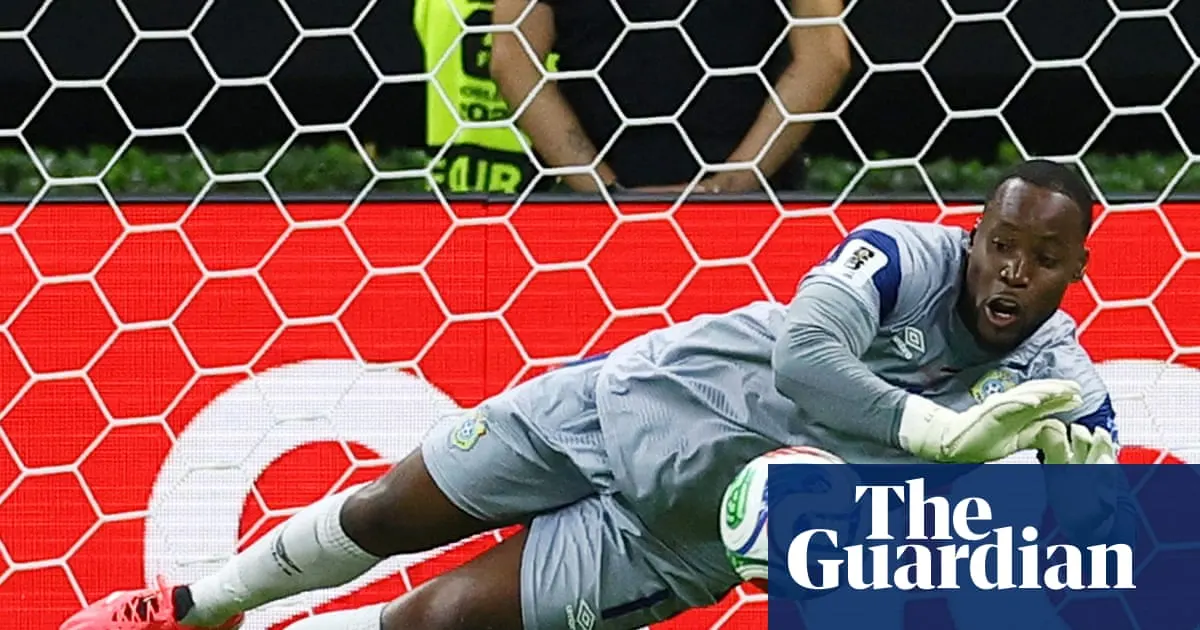
Fifa reportedly allowed the Democratic Republic of the Congo (DRC) to play at this summer’s World Cup despite investigators finding that goalkeeper Lionel Mpasi had not completed the process to represent the country. Mpasi played in the tournament, including against England, and no punishment was imposed on the Congolese football federation.
The dispute followed Nigeria’s complaint about player eligibility after losing to the DRC on penalties in a World Cup qualifying play-off in November. Reports say Fifa knew of Mpasi’s situation before the DRC beat Jamaica in March, but rejected Nigeria’s complaint because it was filed too late; Nigeria has appealed and may seek compensation. The case adds to scrutiny of Fifa’s governance, while the North and Central American confederation has called for eligibility rules to be applied consistently.
- Mpasi reportedly had not completed his switch to represent the DRC.
- Fifa rejected Nigeria’s complaint as out of time.
- Nigeria has appealed and may seek compensation.
New here? Start with this
The Democratic Republic of the Congo's goalkeeper Lionel Mpasi played in this summer's World Cup despite not having completed the formal process required to represent his country. FIFA reportedly knew about this eligibility issue before the tournament but cleared him to play anyway, raising questions about how the organisation enforces its regulations.
Nigeria complained about Mpasi's eligibility after losing to the DRC on penalties in a World Cup qualifying play-off in November. FIFA rejected Nigeria's complaint because it was filed too late, though Nigeria has since appealed the decision and indicated it may seek compensation.
The case has drawn attention to whether FIFA applies its eligibility requirements consistently across all teams and highlighted concerns about governance in world football. The North and Central American confederation has called for clearer enforcement of eligibility rules.
Both sides, in good faith
The strongest fair case each way — we don't pick a winner.
The case for
FIFA's decision prioritises procedural integrity and established timelines. Once matches are played and tournaments progress, reopening eligibility disputes based on late complaints would create uncertainty and invite endless challenges to results. Complaint deadlines serve the essential purpose of providing finality; if FIFA allowed every belated challenge to overturn prior matches, the sporting calendar would become unmanageable. By applying procedural rules consistently rather than making exceptions based on complaint substance, FIFA maintained the stability and predictability necessary for international competitions.
The case against
The core purpose of eligibility rules is ensuring fair competition. If FIFA's own investigators confirmed that Mpasi had not completed his eligibility process, allowing him to play fundamentally violates that principle regardless of when Nigeria filed its complaint. Knowing in advance about the eligibility concern before the tournament began yet still permitting the goalkeeper to play suggests procedural technicalities are being exploited to shield a substantive breach. Equal application requires that all federations face the same standard for player eligibility, not that well-resourced federations can circumvent rules whilst others face stricter enforcement, which undermines confidence in the competition's integrity.
Read the full article at the source →
Originally published by The Guardian as “Fifa reportedly allowed DR Congo into World Cup despite ineligible player in qualifying”.