Tories urge planning changes to expand floating solar on reservoirs
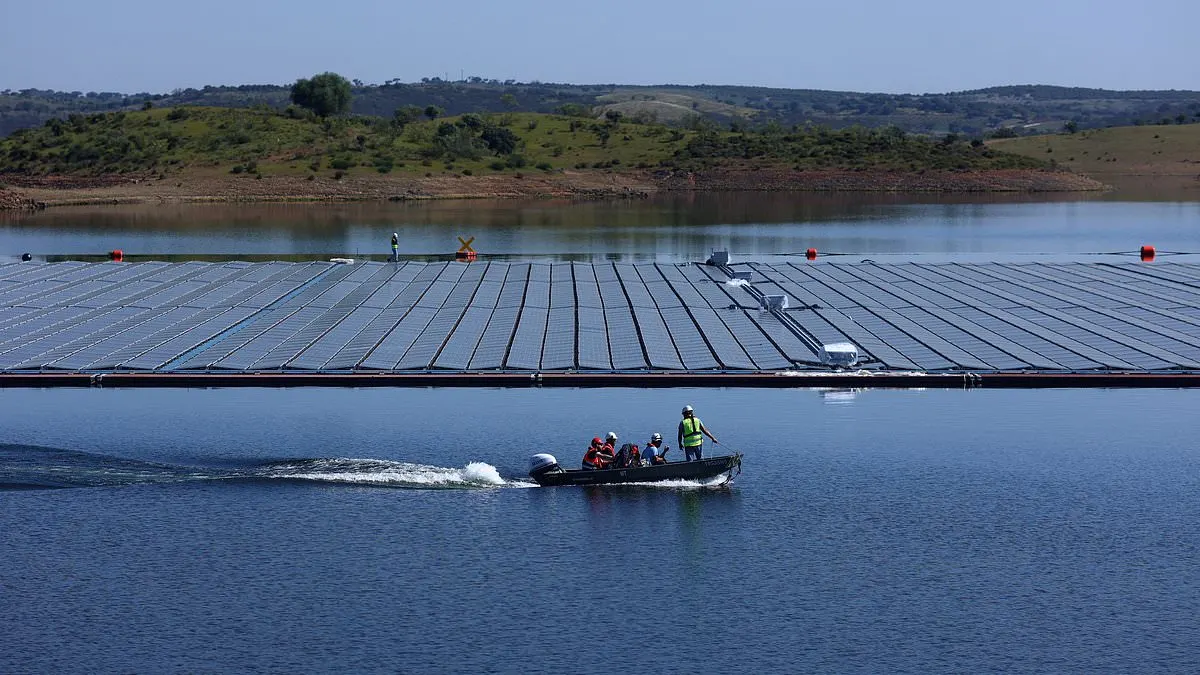
More than 20 Conservative MPs and peers are urging the Government to ease planning rules so solar panels can be installed on reservoirs and other artificial bodies of water. They say expanding floating solar could increase renewable electricity while preserving farmland for food production and helping protect water supplies during heatwaves and droughts.
Utilities can already install floating panels without planning permission when the electricity is used on site, but projects selling power to the National Grid need full approval. The signatories want those rules broadened to cover grid-connected schemes and sites such as disused quarries and docks; they also cite reduced evaporation and algal growth. A report backed by Labour ministers earlier this year said floating solar could supply power equivalent to Birmingham’s needs by the end of the decade and match current UK offshore wind generation by 2050.
- Tory MPs and peers want planning rules eased for floating solar.
- They say panels could preserve farmland and help conserve water.
- Current rules restrict projects that sell electricity to the grid.
New here? Start with this
Floating solar panels are solar arrays installed on the surface of water bodies such as reservoirs and lakes. They generate renewable electricity whilst potentially reducing water evaporation and limiting algae growth in the water below. This technology offers a way to expand renewable energy without using farmland that could instead be used for food production.
The UK currently has different planning rules for floating solar depending on whether the electricity is used locally or sold to the National Grid. Utilities can already install panels on reservoirs without planning permission if the power is used on site, but projects that feed electricity into the wider grid require full government approval. More than 20 Conservative MPs and peers are now calling for these rules to be relaxed to allow grid-connected floating solar to be installed more easily.
Supporters argue that expanding floating solar could substantially boost the UK's renewable energy capacity whilst protecting water supplies during hot, dry weather. A government-backed report suggested the technology could supply power equivalent to Birmingham's needs within the next few years, and potentially match current UK offshore wind generation by 2050.
Both sides, in good faith
The strongest fair case each way — we don't pick a winner.
The case for
Proponents argue floating solar on reservoirs offers multiple environmental and practical benefits—generating renewable electricity without consuming agricultural land, reducing water evaporation and algal growth, and protecting water supplies during droughts. Government analysis suggests the technology could deliver renewable capacity equivalent to offshore wind by 2050, making expedited planning approval a pragmatic step towards climate targets and energy independence.
The case against
Critics maintain that reservoirs and artificial water bodies warrant careful stewardship before permitting widespread floating solar. Concerns include potential disruption to aquatic ecosystems and bird populations, effects on water quality, and limitations to public recreation and water management activities. Substantial rule changes deserve thorough environmental assessment and pilot studies to understand long-term consequences rather than risk inadvertently harming biodiversity and water security.
Business Government Markets Politics World
Read the full article at the source →
Originally published by Daily Mail as “Fight brutal summer droughts by moving solar panels from green fields and floating them on reservoirs, say senior Tories demanding planning red tape cut”.