Five arrested over alleged hate chanting at London protest outside Jewish office
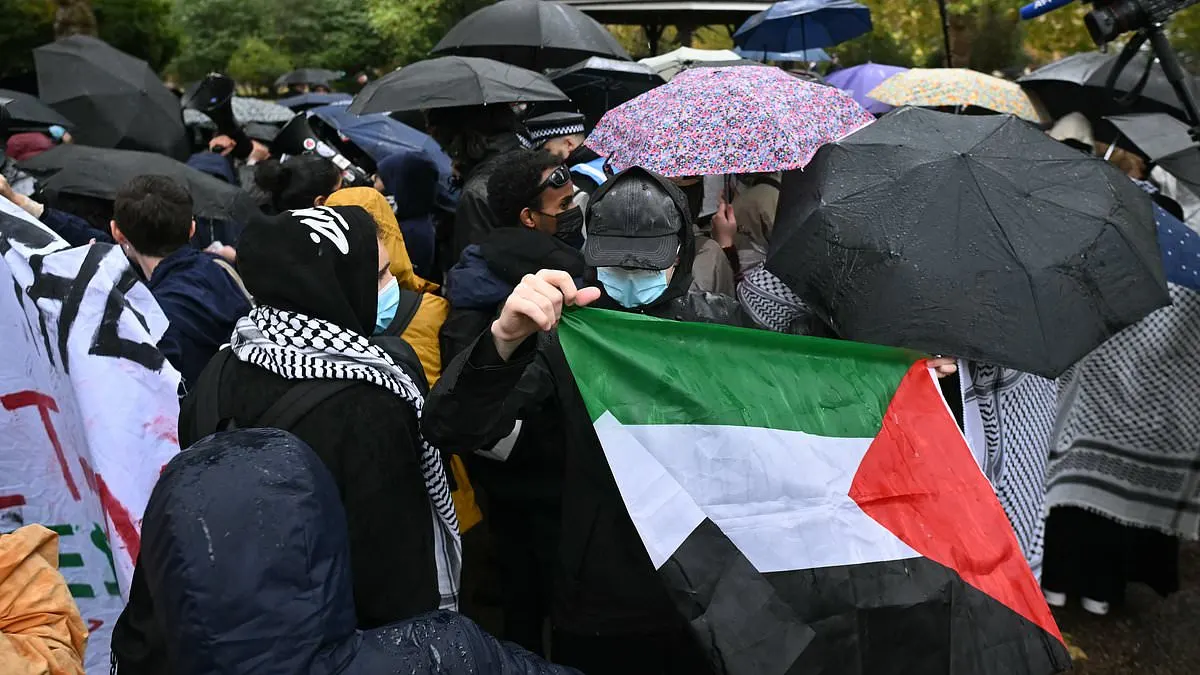
Five people were arrested during a pro-Palestine march in London on October 7, the third anniversary of the attacks on Israel. The demonstration drew around 100 protesters who marched from King's College London to University College London through central London, and prompted significant police presence and tensions with counter-protesters, raising concerns amongst Jewish communities in the capital.
The arrests occurred during a "spontaneous" protest outside the Board of Deputies of British Jews in Camden, with police alleging the five incited racial hatred through chanting. Metropolitan Police had imposed stringent conditions on the march, including a ban on face coverings, a prescribed route, and timing constraints requiring protesters to gather by 12:30pm and disperse by 2pm. The event drew criticism from government officials, including Defence Secretary Wes Streeting calling the march "shameful", and occurred amid heightened tensions between pro-Palestinian and pro-Israeli demonstrators.
- Five arrested at pro-Palestine march on October 7 anniversary in London
- Police alleged protesters incited racial hatred outside Jewish community building
- Tensions flared between pro-Palestinian and pro-Israeli demonstrators in central London
New here? Start with this
The Israeli-Palestinian conflict is a long-standing dispute over land and governance in the Middle East. Significant events related to this conflict can prompt demonstrations in countries around the world, including the UK, as people express different political positions on the issues involved. October 7 2023 marked the date of attacks on Israel that resulted in substantial casualties and prompted a military response, making this anniversary significant for activists on both sides.
The Board of Deputies of British Jews is the main representative organisation for the Jewish community in the UK. During pro-Palestine demonstrations, police must manage both protesters and counter-protesters whilst maintaining order. Arrests at such events involving allegations of hate speech raise questions about the distinction between lawful political protest and conduct that incites hatred.
These demonstrations raise broader questions about how British society manages different political viewpoints on contentious international issues. The handling of such events and any arrests can affect community relations and shape public debate about the boundaries of protest rights and social cohesion.
Both sides, in good faith
The strongest fair case each way — we don't pick a winner.
The case for
Those defending broad protest rights argue that freedom of assembly and political expression are fundamental, particularly for marginalised voices pressing contentious issues. They contend that distinguishing between political speech and unlawful incitement requires rigorous scrutiny rather than presumptive enforcement, and that communities' democratic participation shouldn't be restricted through stringent conditions or selective policing.
The case against
Those supporting enforcement of hate speech laws argue that incitement targeting groups causes real harm, particularly to communities with historical persecution experiences. They note legitimate safety concerns for British Jews, especially during sensitive commemorative dates, and contend that enforcing such laws is essential to civil society whilst remaining compatible with robust protection for lawful political protest.
Read the full article at the source →
Originally published by Daily Mail as “Five arrested during October 7 demo in London: Met Police say spontaneous protest ‘incited racial hatred’ outside Board of Deputies of British Jews office”.