Entertainment news and discussion on TalkFuse.
Five songs from 1971 that should be deleted from history
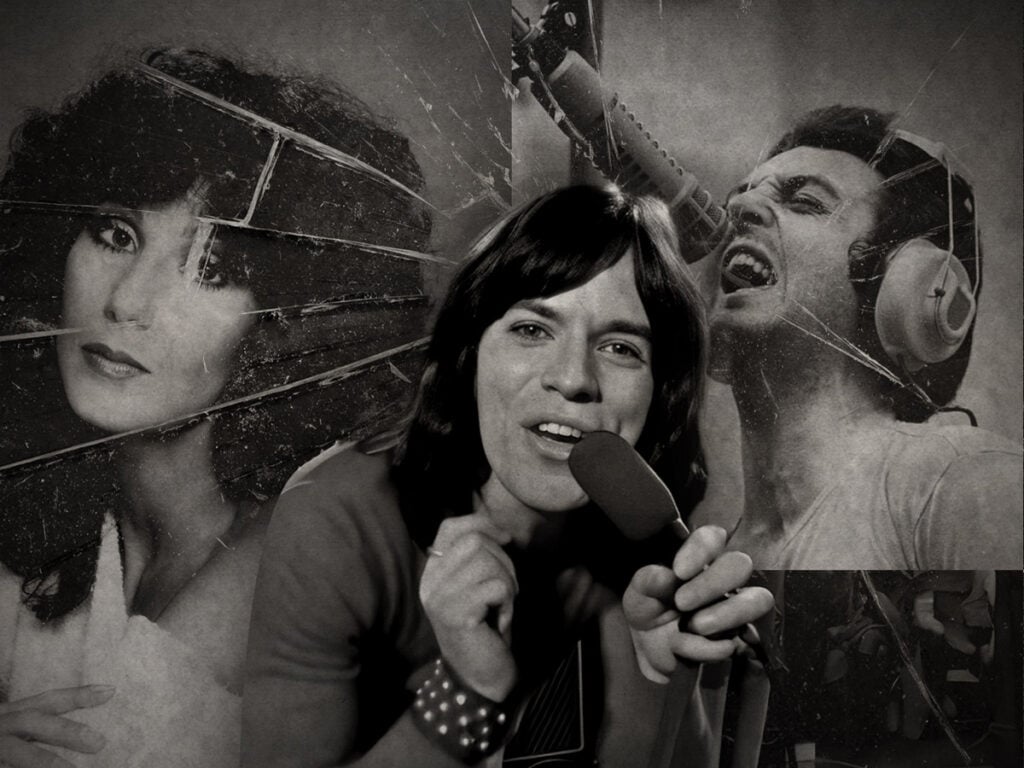
1971 stands as a landmark year in popular music, defined by transformative album releases from major artists responding to significant cultural turbulence and expanding their creative ambitions. Simultaneously, the same year witnessed several celebrated musicians producing work that proved commercially motivated, culturally insensitive, or simply artistically misguided.
The article identifies several songs from this period for critical reconsideration. The Rolling Stones' 'Brown Sugar' faces scrutiny for its offensive undertones, with the band itself acknowledging the concern by removing the track from live performances over a decade later. John Lennon's iconic 'Imagine' draws criticism as embodying superficial idealism that has since devolved into contemporary celebrity performative activism, with recent social media campaigns cited as modern manifestations of this phenomenon. Paul McCartney's 'Bip Bop' is presented as a creative misstep that the artist himself appears to view unfavourably in retrospect.
In short
- 1971 produced both canonical albums and questionable artistic decisions by established musicians navigating cultural upheaval
- The Rolling Stones' 'Brown Sugar' criticised for offensive content; band removed it from setlists in 2021
- John Lennon's 'Imagine' critiqued as dated idealism that evolved into modern celebrity performative activism
Steelman: both sides, in good faith
The strongest fair case each way — we don't pick a winner.
The case for
These songs warrant critical reassessment because they contain problematic elements—cultural insensitivity, superficial messaging, or acknowledged artistic failures—that undermine their place as celebrated works of the era. Institutions have a responsibility to exercise discernment about which cultural products they promote; when artists themselves have moved away from these pieces, it reflects legitimate concerns about their artistic and ethical merit.
The case against
Retrospectively deleting or removing art from circulation constitutes a troubling form of censorship that prevents understanding of the past in its full complexity. Critical reappraisal of these works—examining why they are problematic within their historical context—better serves education and cultural understanding whilst preserving the complete historical record. Attempting to expunge art from history contradicts principles of free expression and cultural dialogue.
Explained simply
1971 was a pivotal year in popular music, with major established artists releasing landmark albums and responding to the cultural turbulence of the period. The year remains celebrated for its artistic ambition and the quality of songs produced.
As cultural values shift over decades, music from previous eras is often revisited through contemporary lenses. Songs that were accepted or overlooked when released can be reconsidered when judged against modern standards and social values.
This kind of reassessment of historical music reflects how our understanding of artistic merit and cultural responsibility evolves. As a result, work from previous decades, including celebrated songs, may face renewed scrutiny from critics and sometimes from the artists themselves.