Florida AG requests emergency order to stop OpenAI model development
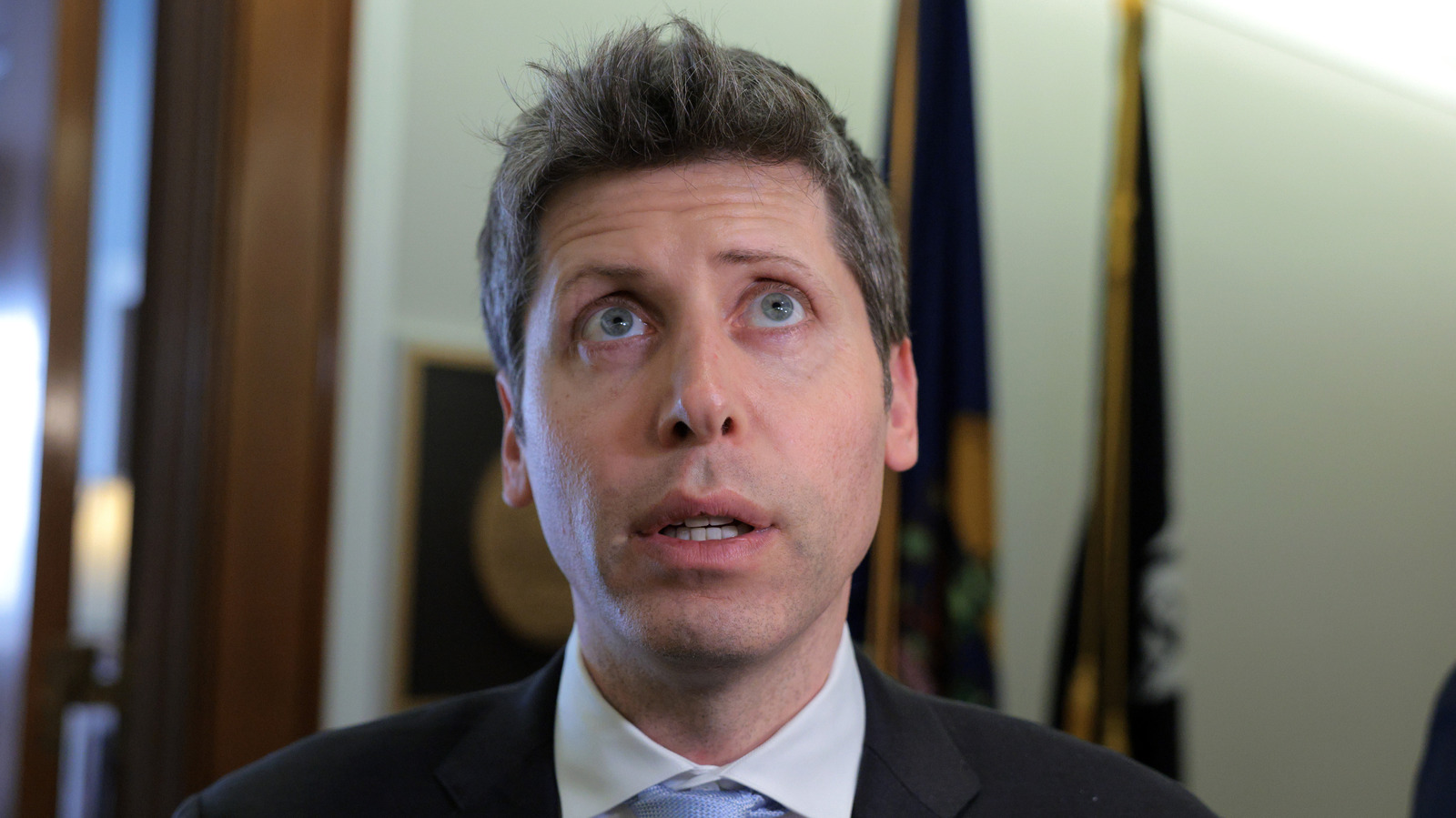
The Florida Attorney General has filed a court motion seeking to prevent OpenAI from developing new artificial intelligence models without independent oversight and to restrict minors' access to ChatGPT. The request follows a June lawsuit and April criminal investigation launched after a 2025 mass shooting at Florida State University, where the alleged shooter reportedly used ChatGPT before carrying out the attack. The action represents a significant regulatory attempt to constrain a major AI developer's operations and reflects growing concerns about the safety implications of AI technology.
Attorney General James Uthmeier has called for several specific measures, including halting new model development without safety guardrails, ending the collection of children's data, and ceasing claims about ChatGPT's reliability and accuracy. OpenAI has defended itself by noting that ChatGPT is a general-purpose tool used by hundreds of millions of people daily for legitimate purposes and that the company continuously strengthens its safeguards. Notably, Uthmeier's motion emphasises that Sam Altman, OpenAI's chief, has himself publicly called for the AI industry to slow development of frontier models, suggesting the company has already endorsed the principle behind the injunction request. The case is not the first linking OpenAI to a mass shooting; Canadian regulators also raised concerns in February after learning the company had flagged an alleged shooter's account but failed to report threats to law enforcement.
- Florida AG seeks court order halting OpenAI model development without independent oversight
- Motion stems from 2025 FSU shooting where suspect allegedly used ChatGPT
- Company defends itself as general tool; AG cites Altman's own calls to slow down
Both sides, in good faith
The strongest fair case each way — we don't pick a winner.
The case for
Supporters of the order argue that a company whose tools may pose serious risks should face independent scrutiny before developing more powerful models, especially when children’s data and access are involved. They see temporary limits and tighter safeguards as a proportionate way to protect the public while courts examine the alleged links to violence and the adequacy of existing protections.
The case against
Opponents argue that restricting development or access based on an alleged attacker’s use of a general-purpose tool risks treating association as proof of causation, while limiting a technology used for many legitimate purposes. They may also contend that an emergency halt could impede beneficial research and that safety concerns are better addressed through targeted safeguards and evidence-based oversight than a broad injunction.