Entertainment news and discussion on TalkFuse.
Forget ‘Game of Thrones,’ This Epic Fantasy Masterpiece Deserves a Streaming TV Adaptation
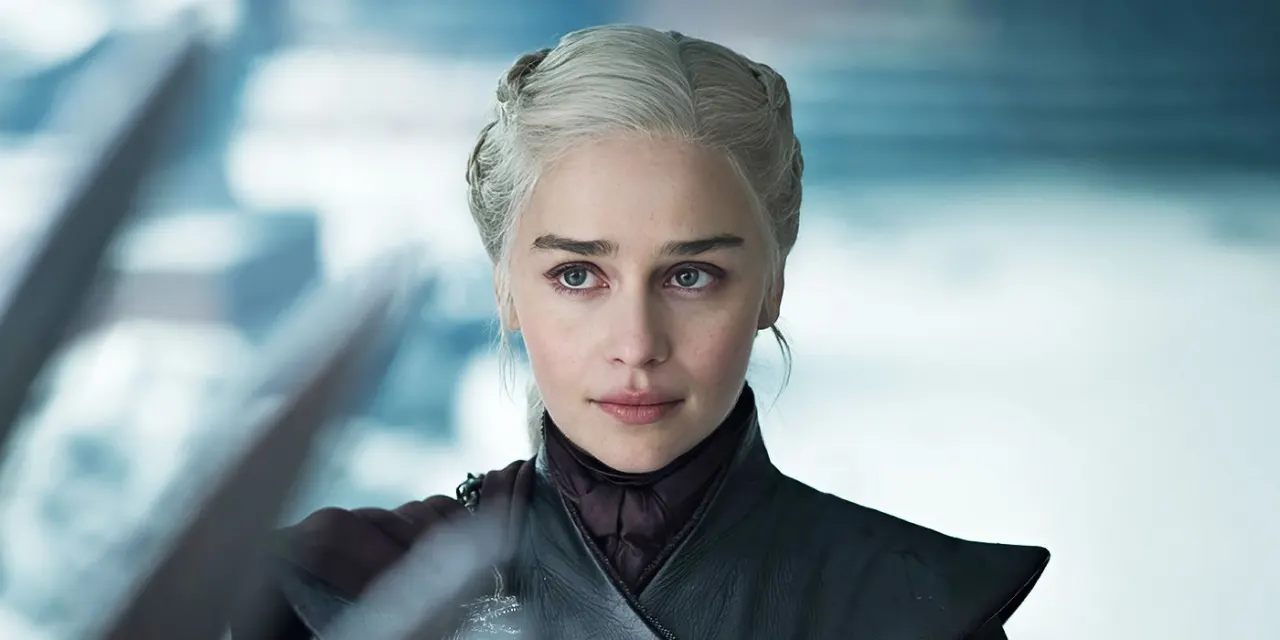
A Collider feature by Kendall Myers argues that Shauna Lawless's historical fantasy series Gael Song deserves a television adaptation, positioning it as a worthy successor to Game of Thrones-style fantasy dramas. The article highlights the series' blend of Irish mythology and real historical events, its manageable length compared with many book-to-screen projects, and its combination of political intrigue, morally complex female leads, and hidden magical conflict, all traits it argues would help it stand out in a crowded television fantasy landscape.
The saga begins with The Children of Gods and Fighting Men and currently spans four novels, with a fifth due in November 2026; after the third book, the story shifts to a new generation while continuing the central conflict. It centres on a war between mortal kings alongside a hidden struggle between two dying immortal factions, the fire-wielding Fomorians and the more varied-powered Descendants of the Tuatha Dé Danann, following characters such as Gormflaith, a Fomorian posing as a Viking queen in Dublin, and Fódla, a Descendant spying on Irish King Brian Boru's court while disguised as a healer.
In short
- Collider argues Shauna Lawless's Gael Song books deserve a TV adaptation.
- Series blends Irish mythology, real history and hidden magical warfare.
- Four books published so far; a fifth is due in November 2026.
Steelman: both sides, in good faith
The strongest fair case each way — we don't pick a winner.
The case for
The series combines commercially proven elements—political intrigue, morally complex female characters, and the integration of real historical events with fantasy—in a format more manageable than many fantasy epics, whilst offering fresh ground through underrepresented Irish mythology. With an established and engaged readership already familiar with the narrative and characters, adaptation carries reduced developmental risk compared to unproven material, and could find a substantial audience among fantasy viewers seeking substantive alternatives in a crowded market.
The case against
The market for prestige historical fantasy drama has become increasingly saturated, with numerous high-profile projects competing for both production capital and viewer attention, making major investment carry considerable financial risk. The series' particular strengths—its literary depth, Irish cultural specificity, complex historical references, and intricate characterisation—may not translate readily to visual media, whilst its more specialised appeal suggests a smaller potential audience than the investment required would justify.
Explained simply
Shauna Lawless’s Gael Song is a historical fantasy series set in early medieval Ireland, where real events and figures sit alongside Irish myth. Its story follows rival mortal rulers and a concealed conflict between two dwindling immortal peoples: the fire-wielding Fomorians and the Descendants of the Tuatha Dé Danann, who have varied powers.
Among its central characters are Gormflaith, a Fomorian living as a Viking queen in Dublin, and Fódla, a Descendant who spies at the court of Irish king Brian Boru while disguised as a healer. The series combines struggles for political power with this hidden magical conflict, and follows a new generation after its third novel.