Forget Pennywise, Tim Curry’s Greatest Villain Role Is Actually This One
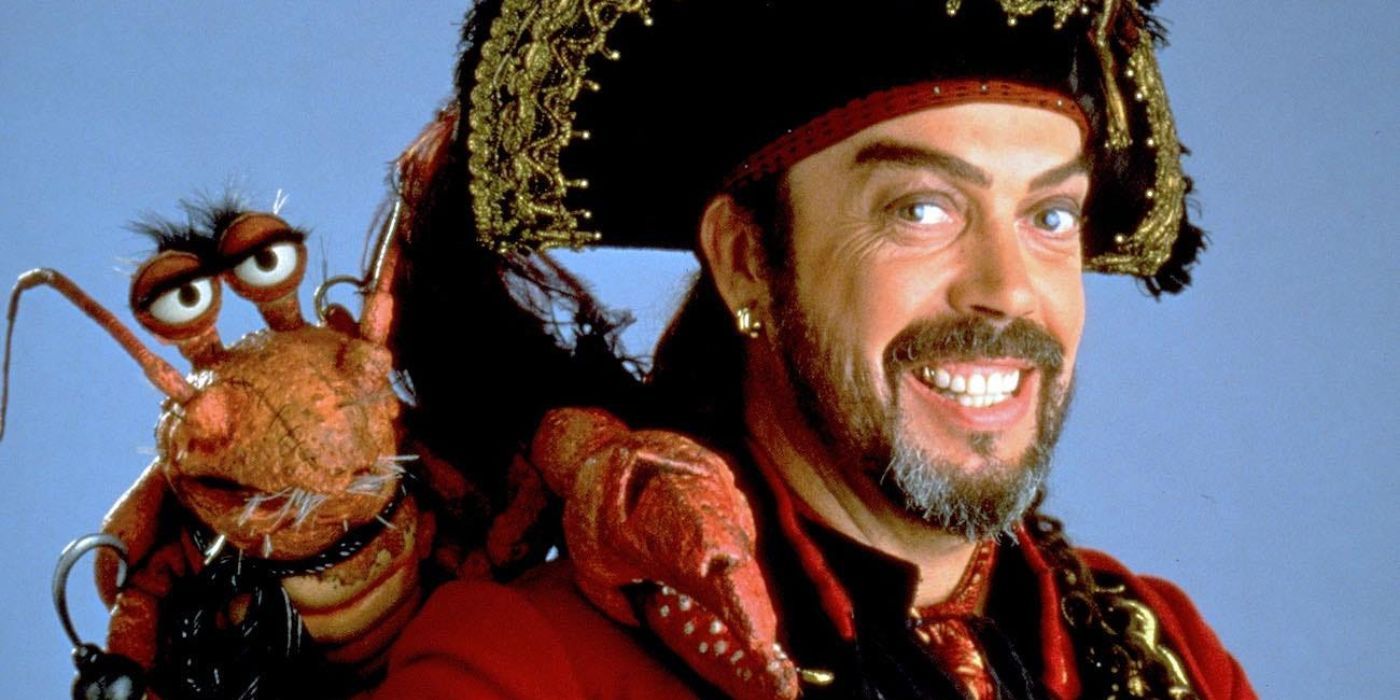
The article argues that Tim Curry’s finest villain performance was Long John Silver in the 1996 musical comedy Muppet Treasure Island, rather than his more famous turns as Pennywise or the Lord of Darkness in Legend. It presents the role as a showcase for Curry’s ability to combine charm, comic exuberance and genuine menace, helping make a family film’s antagonist unusually memorable.
It highlights Curry’s treatment of the Muppets as fellow actors, his complicated paternal bond with Jim Hawkins, and his playful villainy, including his attraction to Miss Piggy. The piece also praises “A Professional Pirate” and “Cabin Fever”, and contends that Curry’s performance helped make Muppet Treasure Island the Muppets’ strongest modern literary adaptation.
- The article calls Curry’s Long John Silver his greatest villain role.
- It praises his mix of warmth, menace and comic energy.
- Muppet Treasure Island is presented as a standout Muppet film.
New here? Start with this
Tim Curry is an English actor known for distinctive performances that often mix humour, theatricality and menace. He is widely recognised for playing Pennywise in the 1990 television adaptation of Stephen King’s It, as well as the villainous Lord of Darkness in the fantasy film Legend.
Muppet Treasure Island is a 1996 musical comedy based loosely on Robert Louis Stevenson’s 1883 adventure novel Treasure Island. It follows the young Jim Hawkins as he joins a search for buried treasure, alongside characters played by the Muppets.
Long John Silver is the story’s central pirate: a charismatic ship’s cook who becomes both a guide and a threat to Jim. The role requires the performer to balance warmth and comic charm with the character’s hidden ambitions, and Curry played it opposite Muppet characters including Kermit the Frog and Miss Piggy.