Spielman warns poorly performing degrees can leave young people worse off
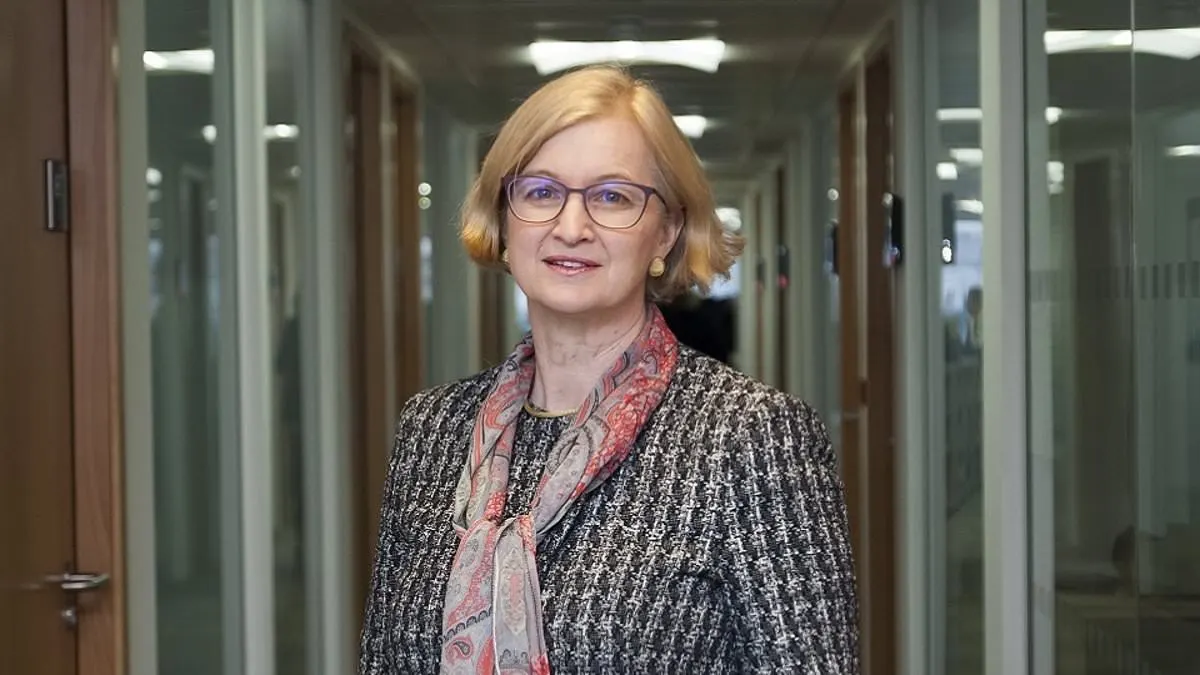
Baroness Spielman, former Ofsted chief and now Conservative shadow minister for work and pensions, has warned that many degree courses waste young people's three years without delivering real economic or social benefits. Speaking at a Conservative party conference event, she criticised the expansion of higher education, particularly citing mounting student debt and rising youth unemployment as evidence that policy has gone awry.
Spielman referenced a 2020 Institute for Fiscal Studies report showing that 30 per cent of graduates produce negative total returns from their degrees, with creative arts, languages, philosophy, and sciences performing particularly poorly. She also criticised universities—especially humanities programmes—for leaving students insufficiently occupied, with many attending only a few hours of lectures weekly. The warnings come as official data revealed 1.01 million young people aged 16 to 24 are neither working nor learning, the highest figure since 2013.
- 30 per cent of graduates achieve negative economic returns from their degrees
- Universities criticised for wasting young people's time with insufficient coursework
- Rising youth unemployment and student debt fuel debate over higher education value
New here? Start with this
The UK has expanded access to university over recent decades, with significantly more young people pursuing degree-level qualifications. This expansion has prompted debate about whether all degree courses genuinely benefit students, with evidence suggesting some graduates accumulate substantial debt without corresponding economic gains.
Research has raised questions about whether certain university courses, particularly in humanities and creative subjects, provide genuine financial value to graduates. Some evidence suggests that a significant proportion of graduates do not earn enough to justify the cost of their studies and years spent away from paid work.
These concerns have become more pressing as youth employment remains a challenge, with over a million young people aged 16 to 24 neither working nor in education. The debate now engages senior policy figures, reflecting broader questions about whether current higher education policy effectively serves students' economic interests and society's wider needs.
Both sides, in good faith
The strongest fair case each way — we don't pick a winner.
The case for
The concerns about degree expansion deserve serious consideration. The data showing 30 per cent of graduates experiencing negative financial returns, combined with mounting student debt and persistent youth unemployment, suggests the system is failing students in tangible ways. If students invest three years and accumulate significant debt whilst receiving minimal contact hours in fields with weak labour market prospects, they are arguably being served poorly. This is not an argument against higher education itself, but a reasonable call for policy to ensure programmes genuinely deliver economic and social benefit to graduates who bear the financial burden.
The case against
Measuring universities' value through financial returns alone fundamentally misunderstands their purpose and social contribution. Humanities, creative arts, and sciences develop critical thinking, cultural understanding, and intellectual capability that shape people's lives in ways earnings cannot capture. Degree expansion has meaningfully improved social mobility for working-class and minority students previously excluded from university. Rising youth unemployment reflects broader economic conditions—insufficient entry-level jobs and employer skills mismatches—rather than flaws with degrees themselves. Retreating from accessible higher education would restore gatekeeping that previously disadvantaged the most vulnerable, regardless of statistical optics.
Business Government Markets Politics World
Read the full article at the source →
Originally published by Daily Mail as “Former Ofsted chief says bad degrees are ‘eating up’ young people’s lives and many offer ‘no economic return’”.