Former SAS Officers Break Silence on IRA Operations, Reviving ‘Shoot-to-Kill’ Policy Debate
Developed over time first seen 50 minutes ago
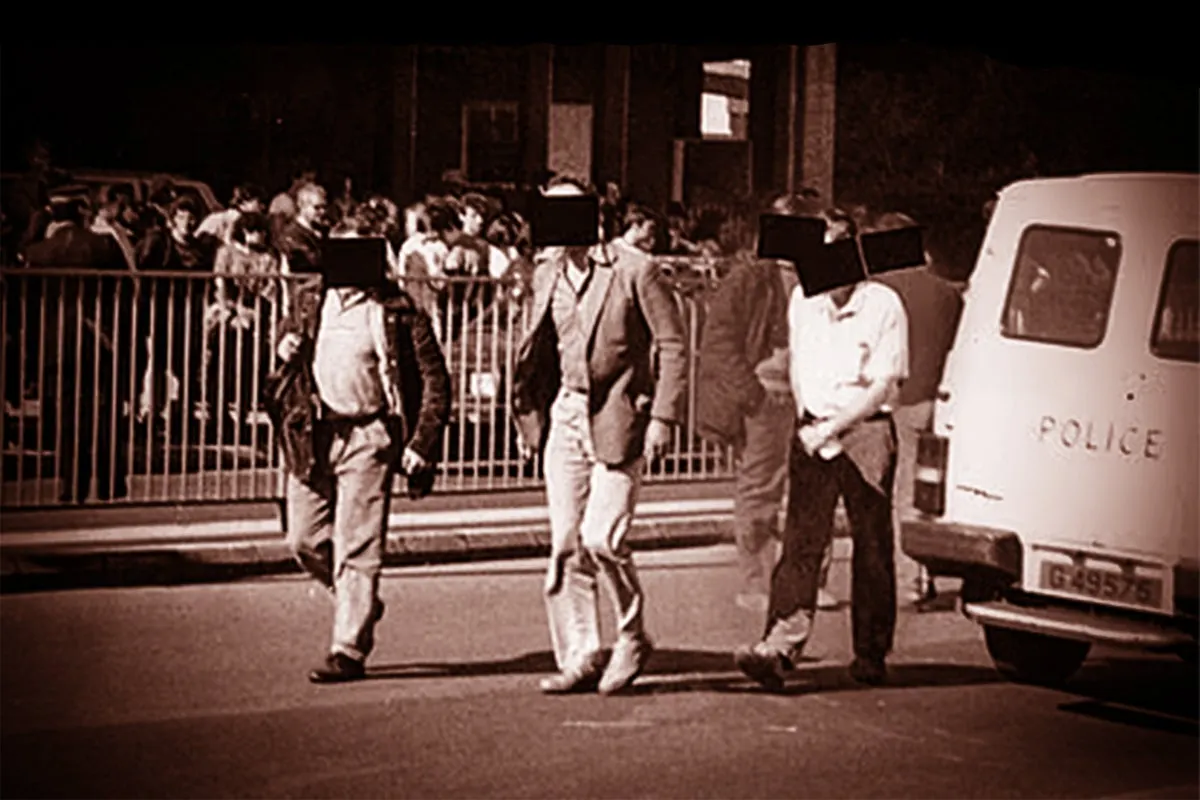
Fifteen former SAS soldiers and intelligence officers have publicly disclosed accounts of covert operations against the IRA during the Northern Ireland conflict for the first time, with their testimonies featured in a new podcast series. The accounts describe military encounters resulting in fatalities and have reignited long-standing scrutiny over whether the British state systematically authorised lethal force against republican targets outside conventional engagement rules.
A prominent example documented by former SAS officer George Simm involves an August 1988 operation near Drumnakilly, County Tyrone, where Simm posed as a coal delivery driver to lure an IRA unit into an ambush, resulting in three deaths. The operation exemplifies the central controversy: whilst officials maintained such actions were proportionate responses to security threats, the families of those killed and Irish Republican groups have interpreted them as evidence of an orchestrated extrajudicial killing programme.
- Fifteen former SAS members publicly share testimonies about covert anti-IRA operations during the Northern Ireland conflict
- Accounts fuel decades-old debate over state-sanctioned 'shoot-to-kill' policy, with a 1988 ambush near Drumnakilly killing three IRA members
- Families and Republicans view operations as unlawful state killings; official narrative frames them as legitimate military responses
New here? Start with this
During the Northern Ireland conflict, the British military conducted covert operations against the Irish Republican Army (IRA), a paramilitary group seeking to end British rule in Ireland. The term "shoot-to-kill" refers to long-standing allegations that British forces were given standing orders to kill IRA members without attempting arrest, rather than following normal rules of engagement in armed conflict.
Former special forces soldiers have now publicly described specific operations where soldiers posed as civilians to draw IRA members into ambushes that resulted in deaths. These accounts have revived questions about whether such tactics were officially sanctioned as part of British security policy, or whether they constituted unlawful killings outside the normal justice system.
The revelations are significant because families of those killed and republicans have long argued the British state killed suspects outside the law, whilst British officials have maintained such operations were justified responses to security threats. The underlying debate concerns military accountability, what responsibilities soldiers bear for their actions, and whether state conduct in pursuit of national security should face legal scrutiny.
Both sides, in good faith
The strongest fair case each way — we don't pick a winner.
The case for
Those raising concerns about systematic shoot-to-kill operations argue that the pattern of covert ambushes, use of civilian disguise, and operations conducted outside standard rules of engagement constitute evidence of an orchestrated extrajudicial killing programme rather than proportionate security responses. They contend that accountability and the rule of law demand scrutiny of whether the state authorised lethal force as policy rather than as justifiable tactical decisions in isolated security situations.
The case against
Those defending the military operations argue that the IRA campaign represented a genuine and sustained threat requiring robust counter-measures; ambush and deception are standard counter-insurgency tactics. They maintain that without clear evidence of a deliberate overarching policy to kill beyond military necessity, individual operations should be evaluated within their immediate security context, where personnel faced genuine threats and made difficult decisions with incomplete information.