Framework responds to complaints that BIOS update bricks Ryzen 7040 laptops
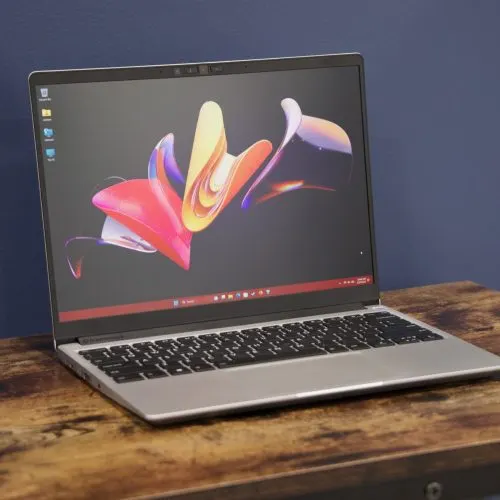
Framework has responded to complaints that its June 2026 BIOS 3.20 update is bricking Framework Laptop 13 devices fitted with AMD Ryzen 7040-series processors, leaving affected machines unable to boot. Users on Framework's forums have described the update stalling indefinitely, with the machine left unresponsive to the power button, and some say support staff initially told them they would need to buy a replacement motherboard rather than receive a free repair, even though similar reports date back to at least March 2025.
Framework has confirmed to Ars Technica that "a small percentage" of BIOS updates on these devices have resulted in non-bootable boards and said it is investigating the cause. The company will now replace in-warranty mainboards and make exceptions for out-of-warranty units where it can confirm a stable BIOS release was responsible, and it plans to introduce a "Crisis Recovery Mode" to make failed updates recoverable, starting with the Framework Desktop before rolling out to the Laptop 12, 13 and 16. Separately, a blogger who experienced the fault has suggested a software bug displaying garbled memory data may be to blame, though Framework has not confirmed a root cause.
- Framework's BIOS 3.20 update is bricking some Ryzen 7040 laptops
- Framework will replace affected mainboards, even some out-of-warranty
- A "Crisis Recovery Mode" is being rolled out to prevent future bricking
New here? Start with this
A BIOS is low-level software that starts a computer and helps its hardware work with the operating system. Updating it can add features or fix problems, but if an update fails, the computer may not start.
Framework makes laptops with replaceable parts, including the mainboard, which holds the processor and other core components. The reports concern Laptop 13 models using AMD’s Ryzen 7040-series processors; affected users say their machines became unusable after a BIOS update.
The issue matters because a failed update can mean an expensive repair, and because it raises questions about how safely firmware updates can be recovered. Framework has said it is investigating, while the exact cause of the failures remains unconfirmed.
Both sides, in good faith
The strongest fair case each way — we don't pick a winner.
The case for
A premium laptop should never brick due to a firmware update. Similar issues persisting from March 2025 through June 2026 represent an eighteen-month pattern of quality assurance failure rather than an isolated incident. Particularly concerning is that some support staff initially demanded customers purchase replacement motherboards rather than providing free repairs, contradicting basic consumer responsibility principles. Although Framework has since improved its response with replacements and exceptions, these failures in engineering rigour and customer service undermine confidence in the company's core obligations.
The case against
Framework is addressing a genuinely complex technical failure with appropriate responsibility and accountability. Bricking bugs involving specific hardware combinations are exceptionally difficult to isolate in testing, and affecting only "a small percentage" of updates suggests this is an edge case rather than a systematic platform failure. The company has pledged free replacements for in-warranty units and compassionate exceptions for out-of-warranty ones, prioritising customer outcomes, whilst methodical rollout of Crisis Recovery Mode reflects proper engineering discipline. Transparent communication with customers and press demonstrates commitment to solving the root cause rather than dismissing affected users.