From hotel suites to virtual reality, museums turn to licensing deals as costs rise
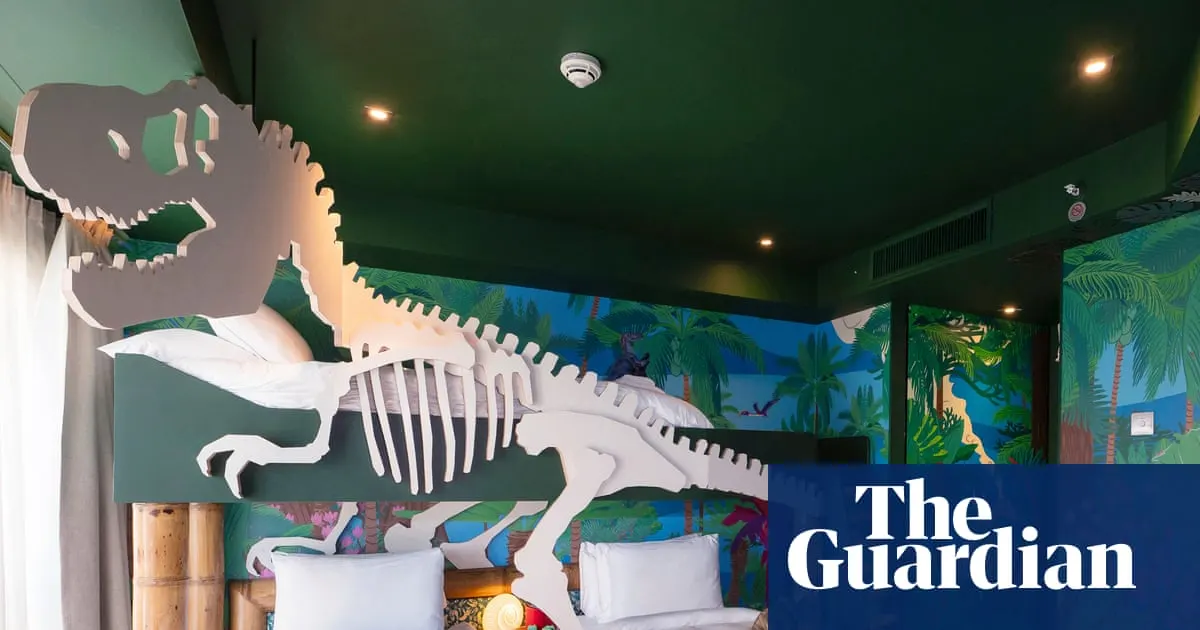
UK museums are expanding licensing deals to generate income as funding cuts and rising costs put pressure on their finances. By linking collections and exhibitions to products and experiences, institutions can reach audiences beyond museum visits and build on public interest in cultural events.
UK sales of licensed merchandise and services rose 7% to $19.2bn (£14.5bn) last year; sales in the art property category grew by more than 8%, while attractions and promotions rose 53%. The Natural History Museum says its licensing programme grows about 15% annually, with deals including a £724 hotel suite, fashion, paint and virtual reality. The V&A launched 63 product ranges in 2025, while the British Museum is developing interest around its collection of more than 8m objects and demand for Bayeux tapestry tickets.
- Museums are using licensing to bolster finances.
- UK licensed sales reached £14.5bn last year.
- Products and experiences extend collections beyond museum visits.
New here? Start with this
UK museums face financial pressure from funding cuts and rising running costs. To address this, many are entering licensing deals with companies to create products and experiences based on their collections and exhibitions. This allows institutions to generate additional income whilst extending their reach to people who may never visit in person.
Licensing partnerships take diverse forms, from branded merchandise and fashion to virtual reality experiences and hotel suites. These deals capitalise on public interest in museum collections and cultural content, creating new commercial opportunities across multiple markets.
This approach matters because it addresses funding challenges facing museums as government support decreases. Licensing deals enable institutions to generate revenue that can be directed towards their operations and long-term preservation of collections.
Both sides, in good faith
The strongest fair case each way — we don't pick a winner.
The case for
Museums face genuine financial strain from reduced public funding and rising operational costs, making licensing a necessary revenue stream to sustain conservation work and public access. By extending cultural engagement beyond physical visits through merchandise and digital experiences, licensing reaches wider audiences and deepens public connection to collections whilst remaining fiscally sustainable. Other established cultural institutions worldwide employ licensing successfully without compromising their core missions, and without such diversified revenue, many museums would be forced to reduce services or close entirely.
The case against
Museums are fundamentally public institutions with a cultural and educational mission that should not be subordinated to commercial imperatives. Expanding licensing risks reducing heritage to consumer products and commodifying culture, potentially distorting institutional priorities away from preservation and scholarship towards whatever generates licensing revenue. The real solution is adequate public funding for cultural institutions; licensing expansion is a symptom of state underfunding rather than a genuine answer, and accepting this normalises the erosion of public support for the arts.