Endpoint monitoring helps IT teams prevent meeting room technology failures
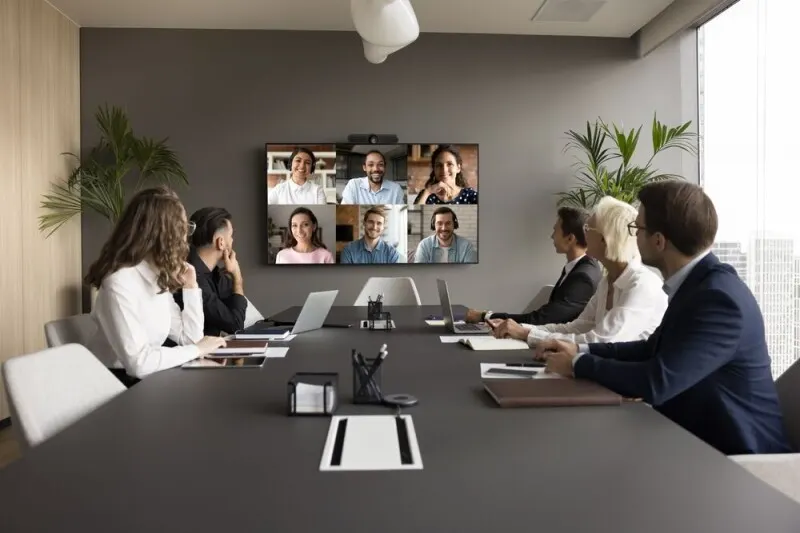
Hybrid working has turned meeting rooms into flexible, digitally connected spaces, but their technology has often been managed reactively because IT teams lacked detailed information about how equipment performed. Cloud-based endpoint monitoring can give them visibility into room usage, device health and connection quality, helping teams address problems before meetings are disrupted.
The article says unreliable room technology can delay meetings, hinder remote participation and prompt staff to use personal devices, while leaving IT teams to firefight and businesses unsure how to allocate equipment. Platforms such as Barco’s ClickShare XMS Cloud Management Platform can track occupancy, equipment uptime, connection quality, software and firmware status, adoption and support incidents. The supplied article text ends before describing further benefits or results.
- Cloud monitoring gives IT teams more insight into meeting room technology.
- Usage and equipment data can help teams anticipate faults.
- Poor room technology can disrupt hybrid meetings and waste investment.
New here? Start with this
As companies adopt hybrid working—with staff splitting time between office and home—meeting rooms have become packed with technology like video conferencing systems and projectors. When this equipment fails, it disrupts meetings, prevents remote workers from participating properly, and pushes staff to use personal devices as workarounds. IT teams often discover these problems only after meetings have been disrupted, spending their time fixing breakdowns rather than preventing them.
Cloud-based monitoring platforms can continuously track the health and performance of meeting room equipment, showing IT teams which devices are working properly and which have connection issues. These systems, such as Barco's ClickShare XMS Cloud Management Platform, can monitor room usage, equipment status and support incidents. With this visibility, IT teams can address problems before meetings are disrupted.
Both sides, in good faith
The strongest fair case each way — we don't pick a winner.
The case for
Modern hybrid working demands reliable meeting technology, and comprehensive endpoint monitoring enables IT teams to maintain equipment health proactively rather than firefighting failures after they've disrupted participants. Cloud platforms provide the visibility needed for evidence-based resource allocation and reduced downtime, ultimately lowering costs whilst improving the quality of remote and in-person collaboration.
The case against
Comprehensive endpoint monitoring platforms represent significant additional expense and implementation complexity, whilst concerns about tracking room occupancy and usage patterns raise privacy questions. Rather than adopting another cloud subscription service, organisations might achieve better outcomes by investing resources directly in dependable hardware and robust network infrastructure from the outset, which addresses problems at source rather than merely monitoring their symptoms.
Read the full article at the source →
Originally published by The Register as “From reactive to proactive: How endpoint monitoring is fixing broken meeting rooms”.