Low-protein larval diets extend fruit flies’ lives but impair reproduction
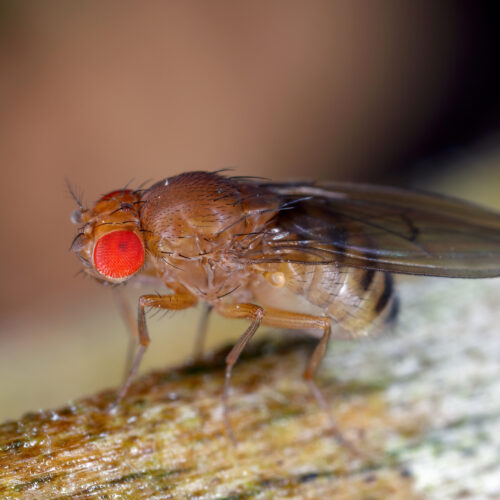
Researchers at Japan's RIKEN Center have discovered that fruit flies retain a biological "memory" of their larval diet into adulthood, fundamentally influencing their lifespan. Led by Fumiaki Obata, the team found that flies fed protein-restricted diets during their larval stage live considerably longer than their well-nourished counterparts, though at significant biological cost. This study, published in Nature, extends earlier observations made in other species and provides a molecular explanation for how early-life nutrition can affect longevity months or years later.
The research identified a protein called larval serum protein 2 (Lsp2) as the mechanism storing this nutritional information. When larvae were fed yeast diets reduced from eight percent to one or two percent protein during mid-development, they subsequently lived longer as adults despite weighing up to 28 percent less and producing fewer eggs. Using isotope-tagged amino acids, the team demonstrated that nearly 64 percent of head proteins in three-day-old adult flies were built from larval food, with ribosomal proteins—which manufacture all other proteins—being particularly abundant. This suggested that protein-restricted larvae developed slower protein synthesis rates in early adulthood, potentially explaining the lifespan extension.
- Protein restriction in fruit fly larvae extends adulthood lifespan despite trade-offs in size and reproduction
- A protein called Lsp2 stores larval diet information, creating biological "memory" into adulthood
- Larval amino acids stored during metamorphosis get incorporated into adult ribosomal proteins
Read the full article at the source →
Originally published by Ars Technica as “Fruit flies remember their larval diet, which influences their longevity”.