Google Maps adds UK forecourt prices as diesel reaches £2 a litre
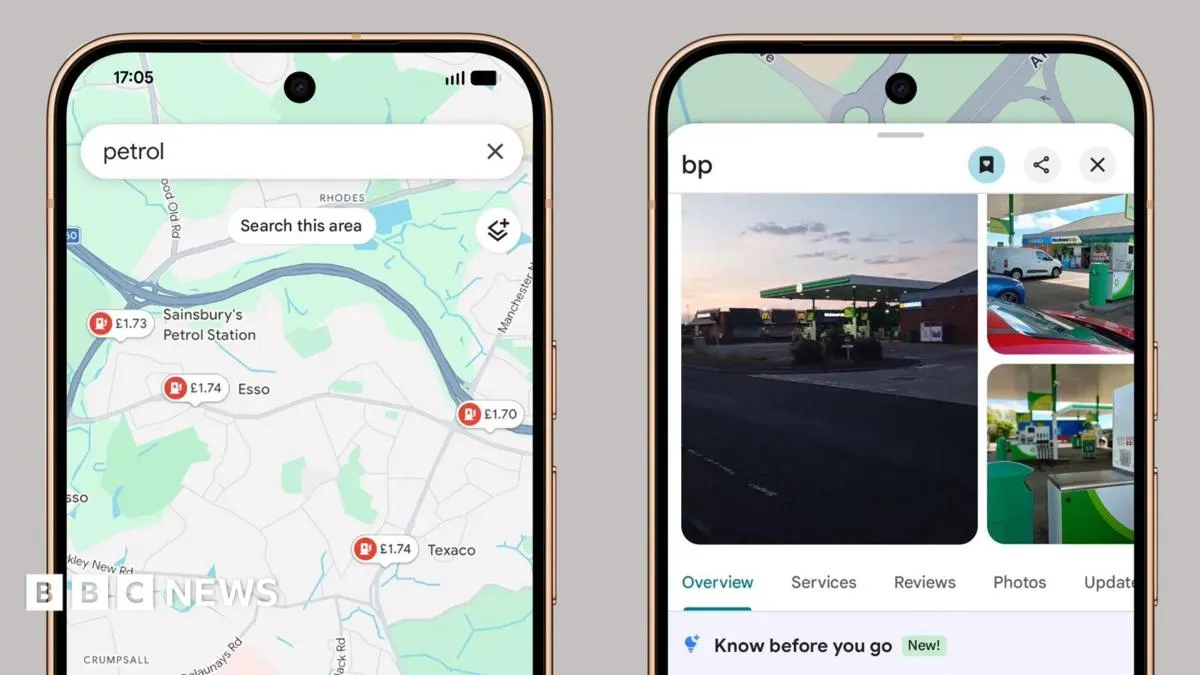
Google Maps will now display fuel prices across UK forecourts, using data from the government's Fuel Finder scheme starting Thursday. The feature aims to help motorists locate cheaper petrol and diesel as prices continue to rise, with diesel recently hitting £2 per litre for the first time, a milestone the RAC described as an unwelcome threshold.
Google Maps reaches 77% of Britain's adult population, making it far more accessible than dedicated fuel price apps used by smaller audiences. Forecourts must update their prices to Fuel Finder within 30 minutes of changing them, though some price comparison sites have identified reliability issues, with around 200 forecourts not updating diesel prices on time in September. An average 55-litre tank of diesel now costs roughly £110, whilst petrol comes to around £96.
- Google Maps displays UK fuel prices to help motorists find cheaper options
- Diesel has breached £2 per litre for the first time amid global price pressures
- The feature reaches 77% of Britain's adults, far more than dedicated fuel apps
New here? Start with this
The cost of petrol and diesel in the UK has risen substantially, with diesel recently reaching £2 per litre for the first time. To help drivers find cheaper fuel, the government introduced the Fuel Finder scheme, which collects price data from forecourts across the country and makes it available through various services and platforms.
Google Maps is one of the most popular navigation and mapping services used by British motorists, accessible to millions through their mobile phones. By including fuel price data on its platform, the service allows drivers to compare prices across multiple forecourts without needing to download separate applications. Currently, an average tank of diesel costs around £110, whilst petrol costs approximately £96.
The Fuel Finder scheme requires filling stations to update their prices within 30 minutes of any changes, though the system has experienced some reliability issues in past months. Better access to fuel price information is particularly valuable when prices are high, as small price differences between forecourts can result in considerable savings for regular drivers.
Both sides, in good faith
The strongest fair case each way — we don't pick a winner.
The case for
The feature significantly improves consumer access to fuel pricing information by leveraging Google Maps' exceptional reach of 77% of British adults, addressing market transparency during a cost-of-living crisis where diesel has hit unprecedented prices. Embedding price comparisons within the most widely used navigation platform should drive genuine competition and savings, particularly for less digitally sophisticated users who might not otherwise access specialist fuel comparison apps.
The case against
The documented reliability issues—including 200 forecourts failing to update diesel prices within the required 30-minute window in September—suggest the infrastructure remains insufficiently robust for consumer-facing pricing data. Until these technical failures are resolved, the feature risks misleading motorists into making fuel purchasing decisions based on outdated information, potentially undermining public trust in the scheme and raising questions about whether the launch was premature.
Government Politics Technology
Read the full article at the source →
Originally published by BBC Technology as “Fuel prices added to Google Maps as petrol and diesel costs soar”.