Technology news and discussion on TalkFuse.
George Lucas likens AI sceptics to luddites clinging to horses and carts
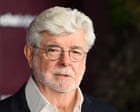
George Lucas has argued that opposition to artificial intelligence in film-making is misguided, comparing sceptics to people clinging to horses and carts in the face of newer technology. In an interview, he said AI makes it easier to make films and described its spread as unavoidable progress, adding his voice to a broader industry debate over whether AI will improve cinema or damage it. The remarks matter because Lucas is one of the most influential directors in modern blockbuster film, and his support reflects how prominent film-makers are increasingly shaping public attitudes towards AI’s role in creative work.
Lucas, 82, told A Rabbit’s Foot that “there’s nothing you can do about it” because AI is “the future” of movie-making. The article sets his comments alongside other views in the industry: Gareth Edwards also praised generative AI as highly useful, while Christopher Nolan highlighted strong public distrust, especially among younger people who use terms such as “AI slop”. Steven Soderbergh took a more cautious middle position, saying AI is neither the answer to everything nor the end of everything, and Lucas also criticised focus groups, arguing that studios too often let audience reactions dictate films rather than using them to understand why something is not working.
In short
- Lucas says AI in film is inevitable progress
- His comments add to an industry split on AI
- He also criticised studios’ reliance on focus groups
Steelman: both sides, in good faith
The strongest fair case each way — we don't pick a winner.
The case for
Supporters of AI in filmmaking argue it represents inevitable technological progress comparable to earlier cinema innovations, democratising production by reducing financial and technical barriers. They contend AI functions as a creative tool enhancing rather than replacing human artistry, and that throughout history, resistance to such technological change has proved futile whilst ultimately benefiting creative industries.
The case against
Those expressing caution argue this involves substantive concerns beyond mere technophobia: the ethics of training systems without artists' explicit consent, genuine threats to creative workers' livelihoods and fair compensation, and risks to artistic diversity and authenticity. Sceptics maintain that criticising AI's filmmaking role represents legitimate defence of human creative agency and authorship rather than luddism, and that such concerns raise real questions about governance, consent, and whether human creativity is being adequately valued and protected.
Explained simply
The film industry is debating the role of artificial intelligence in filmmaking. Supporters argue that AI tools could make production faster and cheaper, whilst critics worry that it could undermine skilled creative work or lead to poor-quality results.
George Lucas, the director behind Star Wars, is among the prominent filmmakers backing AI's use. Gareth Edwards has also praised AI, whilst Christopher Nolan has highlighted public distrust and Steven Soderbergh has called for a balanced view.
These views from influential filmmakers matter because they help shape both industry direction and public attitudes towards AI in creative work. The debate reflects wider questions about whether new technology should fundamentally change how creative fields operate.
AI Americas Art Celebrity Culture Entertainment Film Technology World