Get right out of town
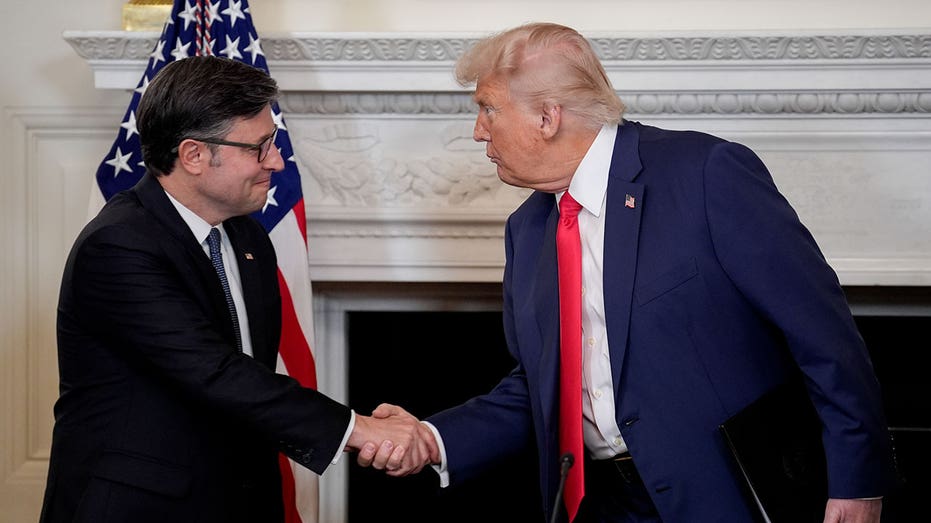
The US House of Representatives returned to Washington this week for the first time since 23 July, but only for a brief session before members leave again for Labor Day, while the Senate does not reconvene until 14 September. With most major legislative business for the year effectively wrapped up and attention shifting towards November's midterm elections, attendance and enthusiasm on Capitol Hill have been notably thin, with the piece likening the mood to a meaningless late-season American football preseason game.
Congress has sidestepped a repeat of last year's 43-day government shutdown after the Senate passed a bipartisan interim funding bill in early August, extending government funding through 11 December; the House was due to vote on this on Tuesday. Attendance for routine votes this week hovered around 384 to 388 members, and numbers could fall further when the House reconvenes in mid-September, particularly among members who lost primaries, are retiring, or are reportedly considering resigning early, which could threaten the Republicans' narrow majority. Speaker Mike Johnson confirmed the sparse schedule was set last December, and Republicans also plan to force a symbolic vote pressing Democrats to declare where they stand on socialism versus democracy, aiming to use any "no" votes against them ahead of the midterms.
- House returns briefly but breaks again for Labor Day recess
- Shutdown averted; funding bill extends government funding to 11 December
- Low attendance reflects focus shifting to November's midterm elections
Both sides, in good faith
The strongest fair case each way — we don't pick a winner.
The case for
Supporters of the current approach argue that Congress's light late-summer calendar reflects sensible political rhythm rather than laziness: major funding business has been settled through a bipartisan deal, and with the legislative session's heavy lifting largely done, members are right to spend time in their districts hearing from constituents ahead of the midterms. They would also defend symbolic votes, such as the planned socialism-versus-democracy measure, as a legitimate way to force elected representatives to publicly clarify where they stand on matters of principle, arguing voters deserve clear, on-the-record positions before they cast their ballots.
The case against
Critics would counter that near-empty chambers and a calendar built around electioneering rather than legislating amount to a dereliction of duty, especially given unresolved policy challenges that receive little sustained attention once a stopgap funding bill is passed. They would view stunts like forcing a vote on socialism versus democracy as cynical messaging exercises designed to manufacture attack lines rather than solve problems, arguing that Congress's dwindling attendance and thin productivity reflect a governing culture more focused on the next election than on the responsibilities voters actually sent members to Washington to fulfil.