Global Diesel Crisis: G7 Releases Strategic Reserves as Prices Hit Records
Developed over time first seen 1 hour ago
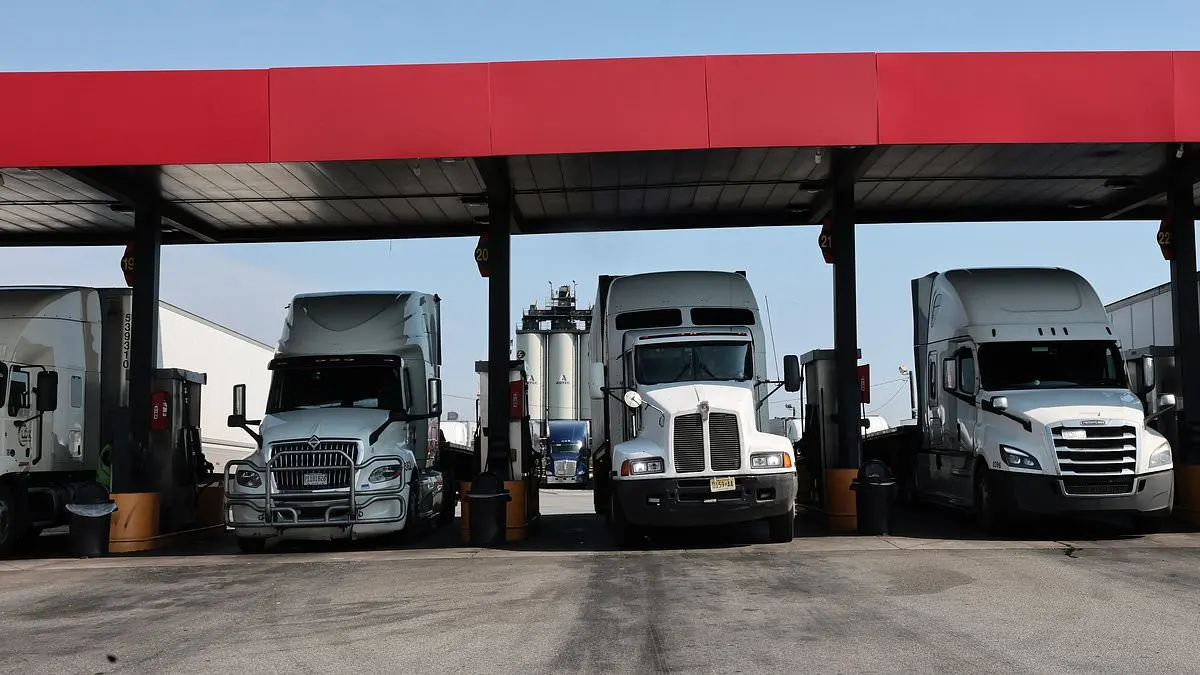
Diesel prices are reaching record levels internationally, creating economic strain across multiple sectors. In the United States, independent trucking operators face squeezed profit margins as fuel costs consume larger portions of their operating budgets, threatening some businesses with closure. Similar pressures are affecting the United Kingdom, where pump prices have surpassed £2 per litre, raising concerns about an energy crisis during the approaching winter months. The price increases have been linked to geopolitical tensions, particularly regional conflicts affecting global oil supply.
In response to the fuel crisis, Group of Seven leaders have committed to releasing up to 100 million barrels from their strategic petroleum reserves within a four-month timeframe. This coordinated action followed pressure from United States leadership to prevent further price escalation. A key development emerged when the American administration dropped threats of restricting diesel exports, which had previously raised concerns for allied nations dependent on US fuel supplies. The reserve releases represent an attempt to stabilise global energy markets and ease economic pressure on consumers and businesses.
- Diesel prices hit record highs globally, straining truckers and consumers amid geopolitical tensions
- G7 nations commit to releasing 100 million barrels of strategic oil reserves over four months
- US eases export restrictions as coordinated action aims to stabilise energy markets
New here? Start with this
Diesel prices have reached record levels worldwide, driven primarily by geopolitical tensions and regional conflicts that have disrupted global oil supplies. This energy shock is creating widespread economic pressure across multiple sectors, from transport to heating as winter approaches. The shortage reflects a significant imbalance between fuel demand and available supply in international markets.
Independent trucking operators face particularly severe pressure, with fuel costs consuming larger portions of their budgets and threatening some businesses with closure. In the United Kingdom, pump prices have surpassed £2 per litre, raising concerns about energy security and household heating costs during the winter months. The crisis has ripple effects across economies that depend on affordable diesel for commerce and essential services.
The Group of Seven nations has responded by committing to release up to 100 million barrels from their strategic petroleum reserves over four months. This coordinated action, following pressure from United States leadership, aims to stabilise global markets and ease economic strain on consumers and businesses. The American administration has also dropped previous threats of restricting diesel exports, signalling a shift towards international cooperation in addressing the fuel shortage.
Both sides, in good faith
The strongest fair case each way — we don't pick a winner.
The case for
Diesel shortages pose a genuine economic emergency threatening business viability and winter energy security across allied nations. Strategic reserves exist precisely to address such crises, and releasing them provides immediate relief whilst supplies normalise following geopolitical disruptions. Once markets stabilise, reserves can be replenished, making this a prudent short-term intervention to prevent cascading economic damage and maintain social stability.
The case against
Strategic reserves should remain protected for genuine national security emergencies rather than price management, as release may mask market signals that encourage conservation and alternative energy investment. Depleting reserves leaves nations vulnerable should geopolitical tensions escalate further, and this policy risks establishing precedent for using reserves as economic policy tools rather than security buffers. Addressing root causes through energy investment and long-term security partnerships offers more sustainable solutions than temporary market intervention.
Full account
The G7 has agreed to release 100 million barrels of oil and diesel from strategic reserves over four months as governments try to ease a sharp rise in fuel prices. The release is due to begin immediately, with a substantial share of the diesel made available in the first 20 days under the coordination of the International Energy Agency. The leaders also agreed to increase refinery output where possible and to avoid restrictions on energy trade between G7 countries. The measures come amid disruption linked to the war with Iran and pressure on supplies of refined fuel.
The cost is already visible at the pump. In the UK, the RAC said the average diesel price reached a record 200.01p a litre on 2 October, passing £2 for the first time. In the United States, the Energy Information Administration recorded an average on-road diesel price of $6.382 a US gallon for the week ending 28 September. Higher fuel bills matter well beyond motorists: diesel powers the lorries that move food and other goods, so sustained increases can squeeze transport firms and feed through to the prices paid by customers.
Independent American hauliers are particularly exposed because fuel is a large expense while the rates they receive for carrying loads may not rise as quickly. One driver described in the first report, Sean Howarth, said a recent job brought in about $1,000 but cost $626 in fuel, leaving him to meet truck payments, insurance and other expenses from what remained. He said he had stayed away from his family in Miami to keep working and was avoiding routes through California, where diesel was dearer. The account illustrates the pressure on small operators, although the outcome of one journey cannot establish the finances of the industry as a whole.
The reserve release follows US pressure on European partners and discussion of a possible American diesel export ban. President Donald Trump presented the agreement as a large European release that would start at once. French President Emmanuel Macron described a coordinated G7 programme spread over four months and stressed the commitment to keep energy products moving between partner countries. Releasing stocks could provide near-term relief, but its effect on pump prices remains uncertain and the reserves will eventually need replenishing. The first report also points to Ukrainian strikes on Russian refineries and Russia’s extension of diesel export restrictions as further strains on global supply.
Where outlets differ
Source 1 concentrates on the effect of US diesel prices on independent lorry drivers and on disruption to Russian fuel production. Source 2 concentrates on the G7 negotiations, the UK price record and the risk of drawing down reserves.
Source 2 presents Trump’s announcement as an immediate, large release of European diesel; Macron’s account and the G7 statement describe a 100 million-barrel release of oil and diesel by G7 members and partners over four months, with diesel supplied earlier in the programme.
Source 1 says US diesel costs almost three times as much as in 2024. The EIA figure of $6.382 for 28 September 2026 is about 1.8 times its price two years earlier, so that comparison has not been repeated.
Coverage
- Daily Mail — Iran war drives diesel costs higher, squeezing US independent truckers’ margins
- Daily Mail — Diesel price tops £2 a litre as UK ‘faces winter crisis’ if Europe bows to Trump demands to release emergency stocks before US mid-terms
Americas Business Europe Government Markets Middle East Politics Space Technology UK World