DeepMind embeds lasting marks in AI-designed proteins for biosecurity checks
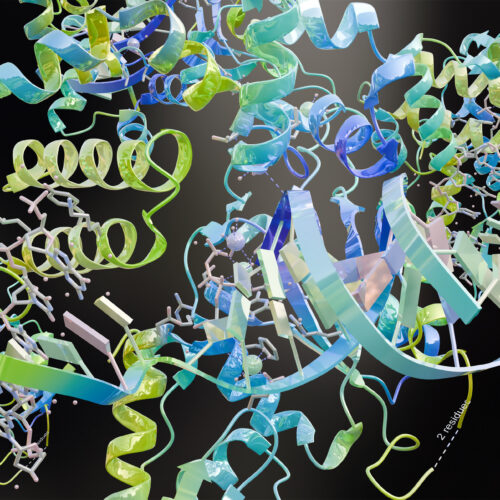
Google's DeepMind team has developed a watermarking system for artificial intelligence-designed proteins, addressing a significant biosecurity gap. The system embeds subtle, permanent marks into protein sequences without compromising their function, allowing researchers to identify proteins created by trusted sources while subjecting others to enhanced scrutiny. This solution tackles a longstanding concern: whilst AI tools have enabled beneficial innovations like enzymes that digest plastic and proteins that block venom, they could equally be misused to create toxins or alter viral behaviour, yet existing DNA-screening software cannot detect artificially designed proteins as potential threats.
The watermarking technology, based on Google's existing SynthID system for digital content, works by subtly biasing the probability of the AI's amino acid selections, creating a distributed signal throughout the protein that cannot be removed. This approach proved technically challenging because proteins contain only 20 possible amino acids—far fewer than the millions of pixels available in images—and many amino acids are critical for the protein's structure or function. The team tested the system using ProteinMPNN, one of the most widely used AI protein design tools, to determine whether sufficient watermarking signal could be embedded without rendering the resulting proteins inactive.
- Google develops watermarking system for AI-designed proteins to enhance biosecurity oversight
- Watermarks are permanent, distributed throughout the sequence, and invisible without the decoding method
- Technology must navigate constraints of proteins' limited amino acid palette and functional sensitivity
Read the full article at the source →
Originally published by Ars Technica as “Google figures out how to watermark AI-designed proteins”.