Google removes free access to Gemini Flash and Pro on October 9
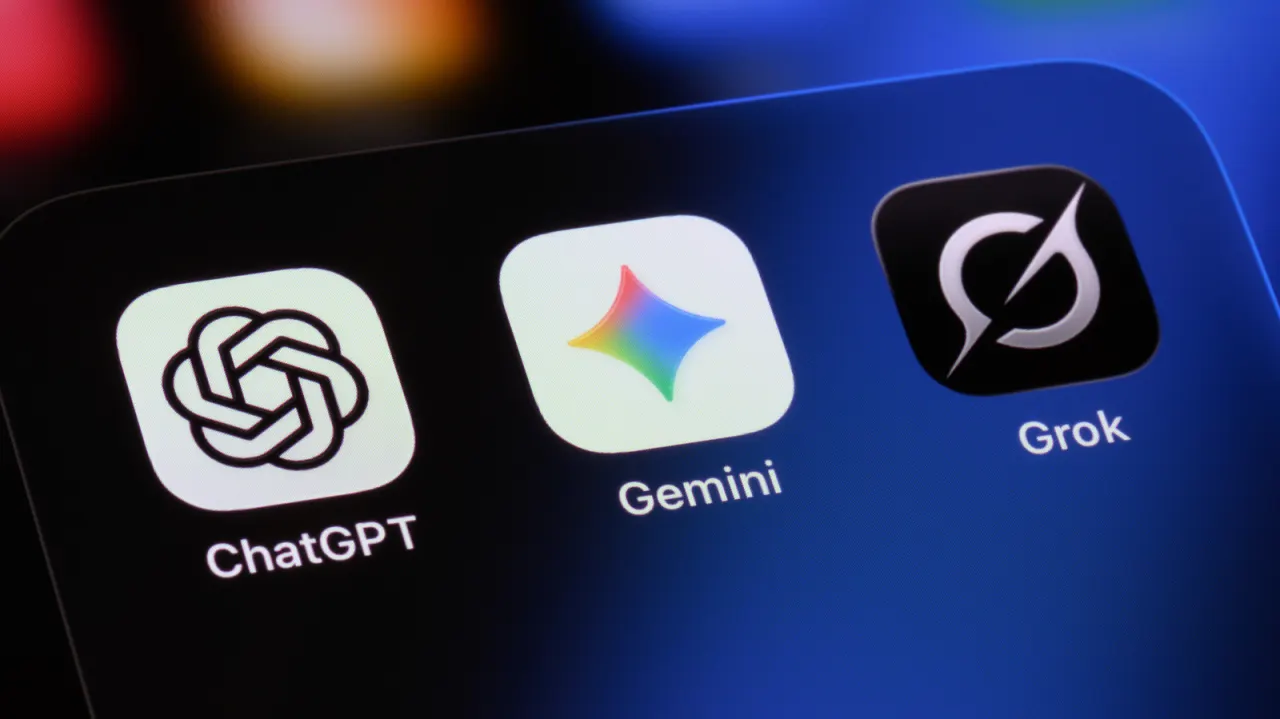
Starting 9 October, Google will restrict free Gemini access to the Flash-Lite model only, removing Flash and Pro from unpaid accounts. Free users currently have access to three models, but this change significantly limits the available capabilities and will likely push users requiring advanced features towards paid subscriptions.
Google AI Plus subscribers ($5 per month) will also lose access to Gemini 3.1 Pro, requiring an upgrade to the $20/month AI Pro plan for advanced tasks like coding and complex analysis. The company is simultaneously introducing 'effort level' options (low, medium, high) across models to let users control response quality and usage quotas. AI Ultra subscribers ($100+/month) will gain access to the upcoming Gemini 4 Argon model.
- Free Gemini users limited to Flash-Lite from 9 October, losing Flash and Pro
- Paid Plus subscribers ($5/month) must pay $20/month to keep Pro access
- Google adding effort level controls and Gemini 4 Argon for premium subscribers
New here? Start with this
Gemini is Google's artificial intelligence tool used for tasks ranging from writing and analysis to coding and answering questions. The service operates on a tiered model, with a free version and paid subscription options that provide access to different levels of capability.
Free users have access to multiple AI models—different versions of the technology with varying levels of power and features. Paid subscribers pay monthly fees to access more advanced models designed for professional tasks, whilst the highest-tier subscribers gain access to the most cutting-edge versions. This structure allows Google to offer free access to casual users whilst charging professionals who need greater sophistication.
How companies package and price AI tools affects who can access advanced technology and how widely it can be used. Changes to which features remain available for free versus only for paying customers directly influence whether casual users can continue experimenting with AI, and whether professionals can afford the tools they need.
Both sides, in good faith
The strongest fair case each way — we don't pick a winner.
The case for
Google must generate revenue to sustain and develop its AI services, making the freemium model—offering basic access whilst charging for advanced features—standard practice across the technology industry. The company continues providing free access to Gemini Flash-Lite and introduces effort-level controls giving users choice over response quality, and users requiring sophisticated capabilities can access them through reasonably priced paid tiers that ultimately fund further innovation.
The case against
This removes capabilities users currently have access to at no cost, creating barriers for those unable to afford subscriptions and undermining the democratisation of AI technology. Critics argue this represents a bait-and-switch strategy—attracting users with generous free access before restricting it to drive subscription revenue—which particularly disadvantages lower-income users.