Googlebooks’ phone integration works only with Pixel devices at launch
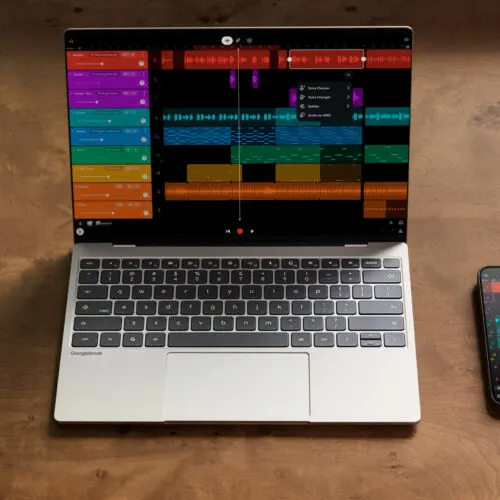
Google's new Googlebooks (premium laptops) launched with "Better Together" features that promise seamless integration with Android phones. However, these features currently work only with Pixel phones, despite Google's assurance that the laptops were "engineered to work with your Android phone right out of the box." This is a significant limitation for Google's laptop ambitions, particularly because Samsung—the largest Android manufacturer—isn't supported at launch, and Google wasn't transparent about this constraint in its public announcements.
The "Better Together" features require Android 17 and include app streaming, file access, notification mirroring, and cross-device app continuation. Samsung phones launched with Android 17 but won't work with these features yet; Google has confirmed support will arrive "in the coming weeks." Other manufacturers face similar delays: Motorola's 2026 phones shipped with Android 16, OnePlus is still testing Android 17, and Xiaomi has only rolled out the update to select high-end devices. This leaves Pixel phones as the sole option for full mobile integration today, undermining Google's pitch to the wider Android ecosystem.
- Googlebooks work only with Pixel phones at launch, not Samsung.
- Samsung support arriving in coming weeks; other brands also waiting.
- Android 17 exclusivity exposes ecosystem fragmentation Google didn't adequately disclose.
New here? Start with this
Google has launched Googlebooks, a new range of premium laptops designed to integrate closely with Android phones through a feature suite called "Better Together." These features, which include app streaming, file access and notification mirroring, require Android 17.
At launch, Better Together functions only with Pixel phones, despite marketing that suggested the laptops were "engineered to work with your Android phone right out of the box." Samsung, the world's largest Android phone maker, is not yet supported, nor are devices from Motorola, OnePlus and other major manufacturers.
Google has confirmed support for Samsung and other makers will arrive in coming weeks. The limitation highlights a discrepancy between the laptops' initial marketing and their actual launch functionality.
Both sides, in good faith
The strongest fair case each way — we don't pick a winner.
The case for
Google's approach reflects genuine technical realities of Android ecosystem complexity. Cross-device integration requires deep collaboration with each manufacturer, and beginning with Pixel devices—where Google controls the entire hardware and software stack—allows the company to deliver a polished experience whilst working through implementation challenges with Samsung and others. A phased rollout is standard practice in technology and doesn't constitute deception; the stated arrival of broader support 'in the coming weeks' suggests this is a temporary launch limitation rather than permanent exclusion.
The case against
Google's marketing claim that Googlebooks were 'engineered to work with your Android phone right out of the box' fundamentally misrepresents the product's actual capabilities at launch, particularly troubling given Samsung's absence despite being the largest Android manufacturer. Transparency about such constraints should be prominent in public announcements, not omitted; buyers deserve clear information about core feature limitations before purchase. Restricting the central selling point to Google's own Pixel line raises legitimate questions about whether this reflects genuine ecosystem commitment or simply competitive self-interest masked as integration.
Read the full article at the source →
Originally published by Ars Technica as “Googlebook “Better Together” phone features don’t work with Samsung at launch”.