Half of Scottish swimming hotspots polluted… with one 20 TIMES over the safe E.coli limit
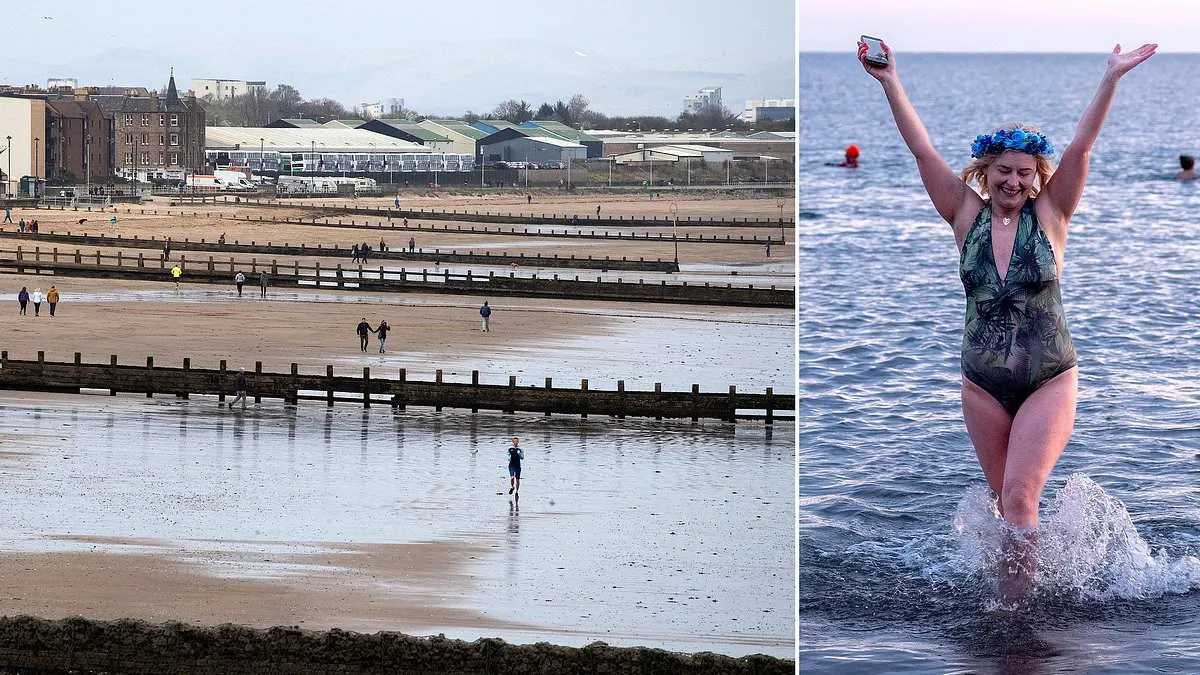
Almost half of Scotland’s 90 designated bathing waters recorded high levels of E. coli or intestinal enterococci on at least one occasion between May and September. The findings raise concerns about the safety of popular swimming spots and have prompted calls for more action on sewage pollution.
Lower Largo in Fife had an E. coli reading at least 20 times the safe limit, while Portobello West recorded intestinal enterococci at 47 times the limit. Four sites, including Portobello, were subject to no-swim orders this summer. The Scottish Environment Protection Agency says individual samples are snapshots and differ from its classifications, which use results over four years; it rated 86 of 89 classified waters sufficient or better for the 2026 season.
- 44 of 90 bathing waters had high bacteria readings.
- Lower Largo’s E. coli reading reached 20 times the safe limit.
- SEPA says most classified waters met standards for 2026.
New here? Start with this
Scotland designates around 90 beaches and coastal areas as official bathing waters where swimming is encouraged. These popular swimming spots are regularly tested to check water quality and ensure they are safe for public use.
Bacteria from sewage and animal waste can contaminate bathing water and pose health risks to swimmers. High levels of this contamination can cause illnesses such as gastroenteritis, and authorities issue no-swim warnings when pollution reaches dangerous levels.
The Scottish Environment Protection Agency regularly tests water quality at these sites throughout the swimming season. The results are used to classify each location and inform the public about which beaches are safe to swim in.
Both sides, in good faith
The strongest fair case each way — we don't pick a winner.
The case for
The findings show systematic pollution affecting nearly half of Scotland's bathing waters, with some sites reaching 20 to 47 times the safe limits and prompting no-swim orders. These aren't minor exceedances but serious contamination events recurring across the summer season, indicating infrastructure failures requiring urgent remediation. Relying on four-year rolling assessments whilst swimmers face repeated exposure to dangerous pathogenic levels is inadequate public health protection. Elimination of these pollution sources should be the immediate priority.
The case against
SEPA's assessment methodology, based on four years of rolling data, provides scientifically sound evaluation of actual bathing safety, properly accounting for natural variation in contamination levels. With 86 of 89 waters classified as suitable, the regulatory system is functioning effectively, and individual samples are inherently variable, influenced by weather and tides. Policy decisions should be grounded in rigorous long-term analysis rather than individual readings, even when those readings are elevated.