Halo 4 Still Holds Up As The Best Halo Game Ever, 14 Years Later
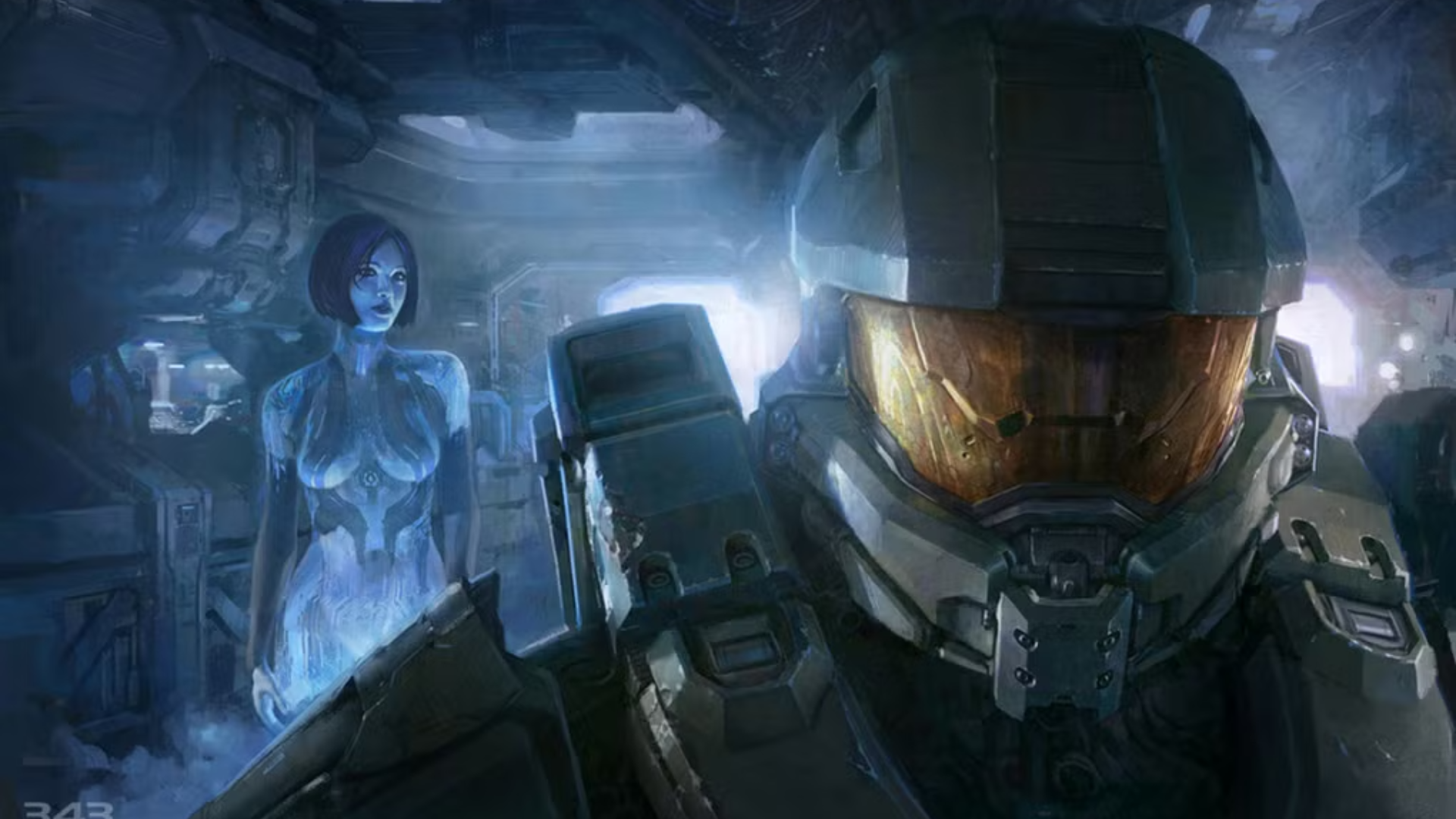
A gaming critic contends that Halo 4, released during the Xbox 360's final years, represents the franchise's high point despite receiving backlash upon launch for adopting Call of Duty-style mechanics and exploring Master Chief's emotional depth. The author argues that the very qualities early players rejected—tonal shifts, narrative experimentation, and a more vulnerable protagonist—constitute the game's greatest strengths.
Halo 4 distinguishes itself through its focus on the relationship between Master Chief and Cortana, an AI experiencing degradation, placing personal stakes above galactic-scale conflict. The narrative is supported by inventive level design featuring low-gravity environments, mech gameplay, and first-time inclusion of pilotable fighter jets. The multiplayer component proved equally transformative, introducing movement options like sprinting and thrusters that evolved the series into a modern competitive shooter.
- Polygon writer argues Halo 4 (2012) is the best entry in the franchise, contrary to nostalgia surrounding the recently remade original
- The game succeeded by combining intimate storytelling about Master Chief and AI Cortana with innovative level design and movement mechanics
- Halo 4's multiplayer introduced revolutionary features like sprinting and jetpacks that modernised the series for competitive play
New here? Start with this
Halo 4 arrived in 2012 as the first Halo game made without Bungie, the studio that created the series, after development passed to a new Microsoft-owned studio called 343 Industries. It continued the story of Master Chief, the armoured supersoldier at the centre of Halo, and his AI companion Cortana, and marked a fresh chapter for a franchise that had already sold tens of millions of copies and helped define the Xbox brand.
At launch, the game divided opinion. Some longtime fans felt it borrowed too heavily from rival shooter Call of Duty and leaned too far into emotional storytelling rather than the large-scale action the series was known for, and it did not receive the universal acclaim of earlier entries.
More than a decade on, this piece reflects a broader pattern in gaming culture, where titles once seen as disappointing or divisive are reassessed years later, often because the qualities that felt unfamiliar at the time come to be viewed differently with hindsight.