Former Hampshire chief faces hearing over alleged affairs with junior officers
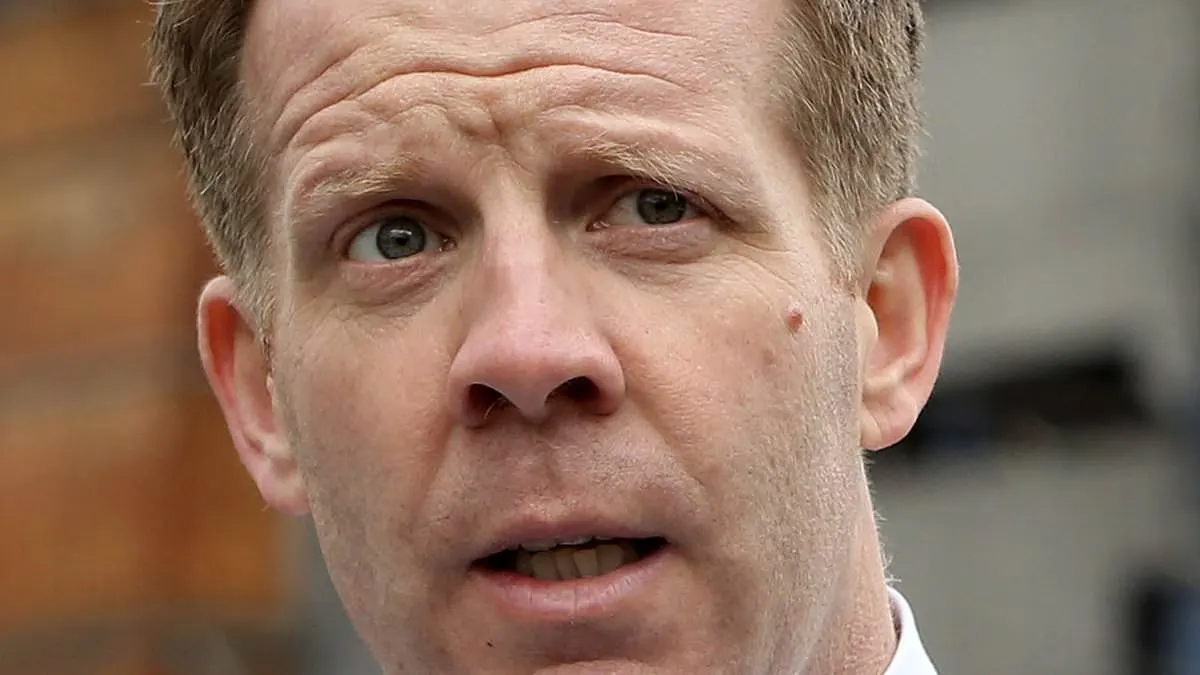
Scott Chilton, the former chief constable of Hampshire and Isle of Wight Constabulary, faced a misconduct hearing over allegations of having affairs with two junior female officers whilst in senior roles. The allegations raise serious questions about leadership ethics, the abuse of authority, and protections for junior officers within the police hierarchy. Chilton's conduct is particularly troubling given the power imbalance inherent in supervisor-subordinate relationships.
The first alleged relationship with a sergeant took place between 2008 and 2012, when Chilton held the rank of superintendent; the officer concerned confirmed the affair was consensual but stated some sexual contact occurred whilst he was on duty, a claim he disputes. The second relationship began weeks after his appointment as chief constable in February 2023; Chilton admitted to this relationship but denied using his position for sexual purposes, though he is accused of pressuring the officer to delete messages about the affair. Both officers subsequently achieved the rank of inspector. Chilton retired prematurely from his position in April 2025, and he did not attend the misconduct hearing due to reported medical issues.
- Former police chief constable accused of affairs with two subordinate officers
- Allegedly pressured one officer to delete messages revealing their relationship
- Admitted one affair but denied the other; retired in April 2025
New here? Start with this
Scott Chilton was the chief constable of Hampshire and Isle of Wight Constabulary, the highest-ranking officer in that police force. He faces allegations of having had affairs with two junior female officers during his time in senior leadership positions.
In hierarchical organisations such as the police, relationships between senior officers and their subordinates involve an inherent power imbalance. Senior officers have authority over their juniors' careers, assignments, and evaluations, which creates an unequal dynamic in any relationship between them.
The chief constable is the most senior position in the force, responsible for its overall leadership and direction. The professional conduct of someone at this level is considered important to the standards and culture of the entire organisation.
Both sides, in good faith
The strongest fair case each way — we don't pick a winner.
The case for
These relationships involved consenting adults; one officer explicitly confirmed consensuality. Both officers' careers advanced to inspector rank, suggesting no lasting professional harm, whilst allegations of specific impropriety remain disputed. Individuals retain agency even within hierarchies.
The case against
Police leadership requires exceptional professional standards to maintain institutional trust; the power imbalance inherent in hierarchy compromises meaningful consent when a senior officer initiates, regardless of individual claims. Attempting to control an officer's communications demonstrates consciousness of wrongdoing. The second relationship began weeks after Chilton became chief constable, directly exploiting that newly acquired authority.
Read the full article at the source →
Originally published by Daily Mail as “Hampshire Police chief constable ‘had affairs with two female inspectors and made one delete messages revealing fling’ misconduct panel told”.