HBO’s 8-Episode Southern Gothic Thriller Is Still a Masterpiece Almost a Decade Later
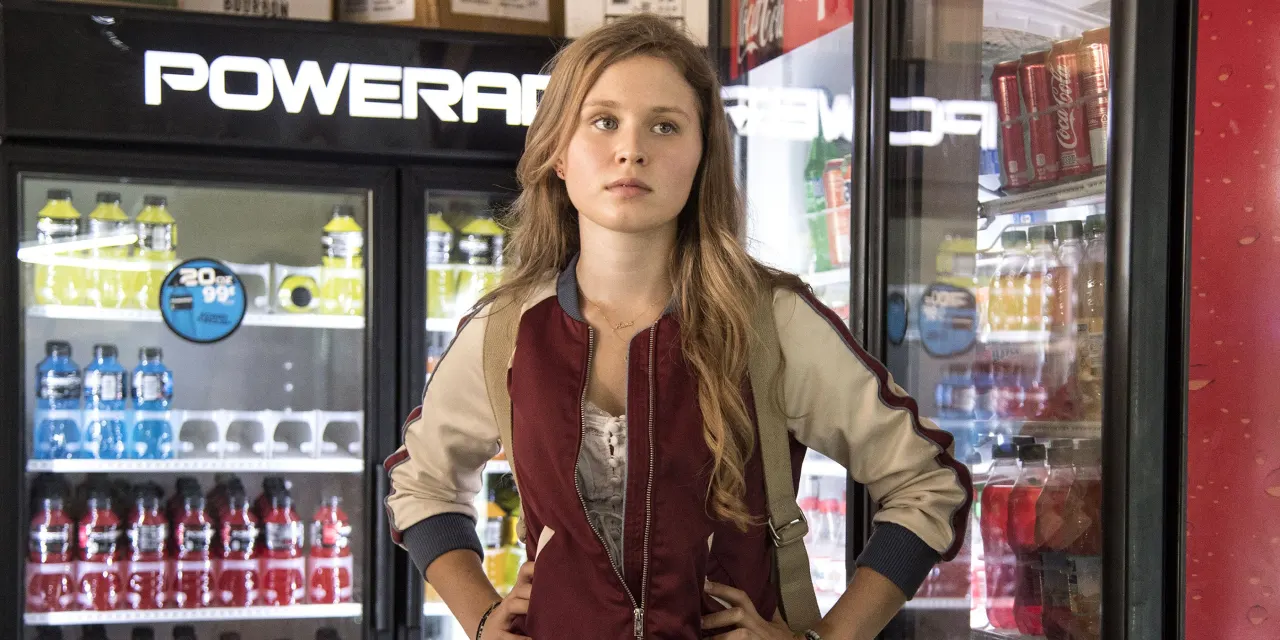
Collider argues that HBO’s 2018 miniseries Sharp Objects remains an outstanding Southern Gothic thriller nearly a decade after its release. Adapted from Gillian Flynn’s 2006 debut novel, it uses a child-murder investigation as the entry point to a darker story about trauma, family dysfunction and a woman confronting her past.
Amy Adams plays Camille Preaker, a reporter sent back to her Missouri hometown of Wind Gap to cover the unsolved killing of a young girl. Her return forces her into contact with her distant mother Adora, played by Patricia Clarkson, half-sister Amma, played by Eliza Scanlen, and memories of her deceased younger sister, while the mystery and personal pressures intensify. The eight episodes were directed by Jean-Marc Vallée, whose atmospheric style is highlighted alongside the cast’s performances.
- Sharp Objects is praised as a lasting Southern Gothic thriller.
- A reporter investigates a murder in her traumatising hometown.
- Amy Adams leads HBO’s eight-episode 2018 miniseries.
New here? Start with this
Sharp Objects is a television drama based on a novel by American writer Gillian Flynn. It is set in a small fictional town in Missouri, in the southern United States, where a journalist returns to report on the deaths of two young girls.
The journalist, Camille Preaker, has a difficult history with the town and with her family. Her mother Adora and younger half-sister Amma are central figures as Camille’s reporting brings old relationships and painful memories back into view.
The series is often described as Southern Gothic, a style of storytelling that uses an unsettling setting, family secrets and troubled characters to explore social and personal problems. It combines a crime investigation with themes including grief, trauma and the lasting effects of childhood experiences.