Entertainment news and discussion on TalkFuse.
“He was seriously wondering if the Ramones would ever make it as big as the Bay City Rollers.” How the Ramones made the debut album that only sold 6000 copies but changed the world
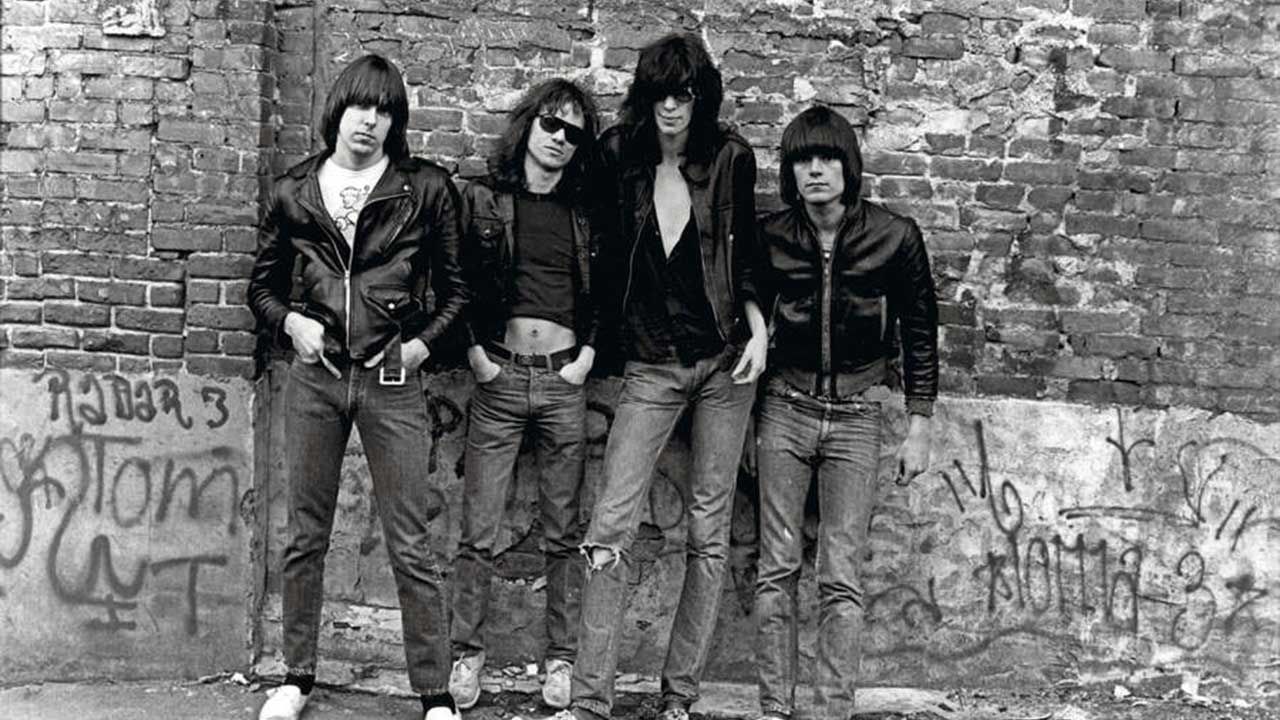
Loudersound has published a retrospective on Ramones' self-titled 1976 debut album, telling the story of how a record that initially sold only around 6,000 copies went on to help ignite the punk rock revolution. The piece revisits the album's reception at the time, including a formative moment when BBC DJ John Peel played tracks from it on air, introducing British audiences to the band's raw, relentless sound.
The article recalls Peel comparing his first reaction to the Ramones' intensity to hearing Little Richard for the first time, noting that although "the songs are all the same but they're all different," he expected a backlash from more traditional rock listeners. Peel's championing of the record is credited with cementing its huge impact on British rock, a shift the piece likens to the influence of David Bowie's The Rise and Fall of Ziggy Stardust four years earlier, despite the album's initially modest commercial sales.
In short
- Ramones' 1976 debut album sold only about 6,000 copies at first.
- John Peel's BBC airplay helped spark its influence on British punk.
- Its impact is compared to Bowie's Ziggy Stardust album.
Explained simply
The Ramones were an American rock band whose 1976 self-titled debut album initially sold only around 6,000 copies. Despite this poor commercial performance, the record proved hugely influential in developing punk rock, a genre that would reshape popular music over the following decades.
BBC Radio 1 DJ John Peel played tracks from the album on air and championed its raw, energetic sound to British audiences. His endorsement was crucial because prominent radio DJs could introduce new music to a large audience, and Peel's support helped establish the album's cultural importance even as sales remained minimal.
The album is now considered a landmark record in rock music history, with influence comparable to other pioneering works of the era. Understanding its story shows how commercial success and cultural impact do not always align, and how influential figures can shape musical trends through championing overlooked work.