Hot vs cold: What’s the ideal temperature for solar panel efficiency?
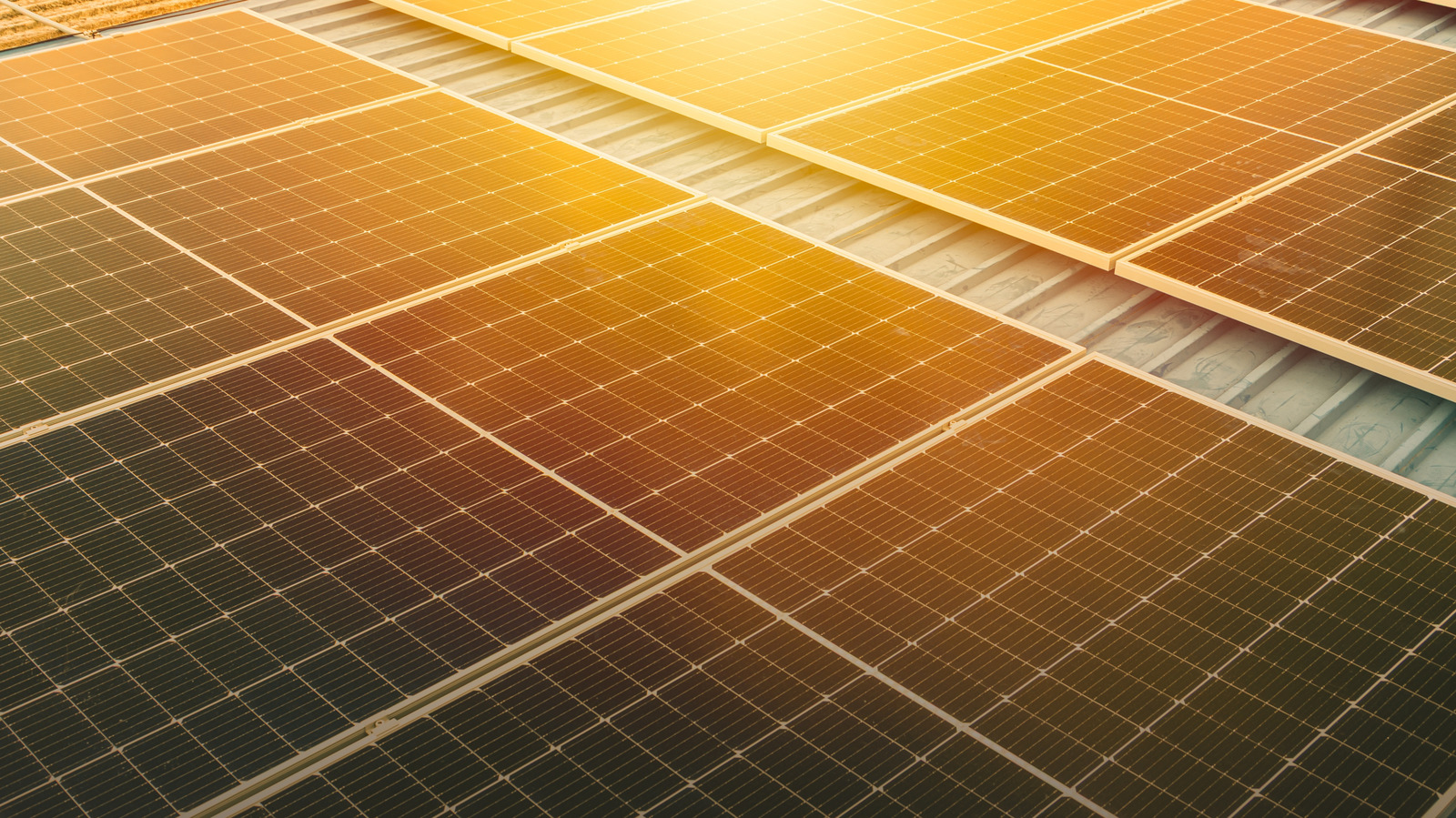
There is a technically correct answer to whether solar panels perform better hot or cold, but it's more nuanced than a simple temperature reading. Solar cells are actually more efficient at lower temperatures, since voltage drops faster than current rises as heat increases, but efficiency and total electricity generated are not the same thing—a hot, sunnier day can still outproduce a cooler, less sunny one. This distinction matters for homeowners and installers trying to understand when and why their systems perform best, as factors beyond temperature often play a larger role.
The industry benchmark of 25°C (77°F) is simply the cell temperature used under standardised test conditions, not a real-world peak-output threshold, and panel surface temperature can run well above ambient air temperature depending on sunlight, wind and mounting. Manufacturers such as REC Group and Qcells report differing temperature coefficients (around -0.24% and -0.29% per °C respectively) showing power loss varies by model, while panels are rated to withstand continuous operating temperatures up to 158–176°F without damage, though the US Department of Energy notes prolonged extreme heat can still shorten a panel's lifespan. Ultimately, factors like cloud cover, snow, roof orientation, sun angle and day length often outweigh temperature in determining output, which is why tools like the PVWatts calculator, based on 30 years of weather data, are recommended for accurate, location-specific estimates rather than relying on a single "best" temperature or time of day.
- Solar cells are technically more efficient when cooler, not hotter
- But total power output often depends more on sunlight than temperature
- Orientation, season and weather matter more than a single "ideal" temperature