House Republicans pass stopgap bill, delaying shutdown fight until after midterms
Developed over time first seen 3 months ago
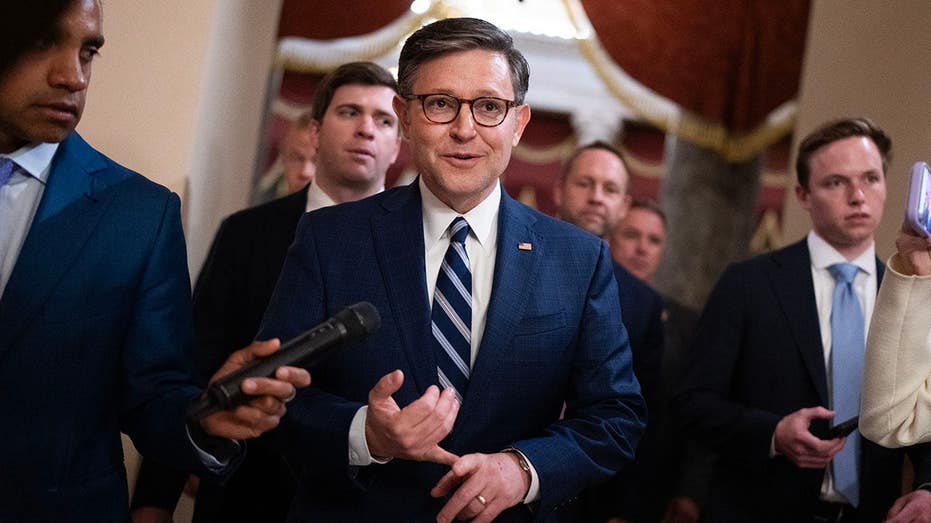
The US House of Representatives has passed legislation extending government funding, sidestepping the risk of a shutdown before the November midterm elections. House Republicans drove the measure through, pushing the more contentious budget fight until after voters go to the polls and sparing lawmakers the political fallout a shutdown could bring so close to an election.
The bill extends funding under the current fiscal year, buying Congress more time before it must tackle a fuller spending package. The manoeuvre reflects a familiar Washington tactic of using short-term extensions to sidestep politically risky confrontations ahead of elections, deferring tougher negotiations over spending levels and priorities until after November.
- House passes bill extending government funding, averting a shutdown
- Move delays tougher budget fight until after midterms
- Tactic spares lawmakers pre-election political fallout
New here? Start with this
The US midterm elections take place in November, and every two years, before Congress can spend money, it must pass legislation to fund the federal government, usually by a set deadline. If lawmakers cannot agree on a funding bill, non-essential government operations shut down, which can disrupt public services and is often politically damaging for whichever party is seen as responsible.
Control of the House of Representatives currently rests with the Republican Party, giving them significant say over whether and how funding bills move forward. Disagreements between the two main parties over spending levels and priorities frequently bring the government close to shutdowns, and such standoffs can become especially sensitive in the run-up to elections, when voters are paying closer attention to how Washington is functioning.
Short-term funding extensions, sometimes called continuing resolutions, are a common way for Congress to keep the government running without resolving the underlying disputes over the budget. Understanding this tactic helps explain why lawmakers might choose to delay a bigger fight over spending until after votes have been cast, rather than resolve it in advance of an election.
Both sides, in good faith
The strongest fair case each way — we don't pick a winner.
The case for
Supporters of the move argue that avoiding a shutdown so close to an election is simply responsible governance, sparing federal workers, contractors and citizens who rely on government services from unnecessary disruption. They contend that using a short-term extension to buy time for a more considered budget negotiation is a legitimate and common legislative tool, not a dodge, and that stability should take precedence over forcing a high-stakes confrontation onto an arbitrary electoral timetable. From this view, lawmakers of any party are right to prefer keeping the government open while working out details, since shutdowns rarely achieve their stated aims and mainly cause harm to ordinary people.
The case against
Critics contend that pushing the harder funding fight past the midterms is a calculated effort to shield lawmakers from accountability, allowing them to avoid difficult votes on spending levels and priorities that voters have a right to judge them on before casting ballots. They argue this reflects a broader, troubling pattern in Washington of repeatedly deferring hard fiscal choices through short-term extensions rather than resolving them, leaving structural budget disagreements unaddressed. On this view, timing the confrontation to fall safely after the election prioritises political self-preservation over transparency with the electorate.
More coverage
Business Elections Government Markets Politics World
Read the full article at the source →
Originally published by Fox News as “House GOP votes to punt government shutdown battle to after November midterms”.