‘House of the Dragon’ Gets One Thing Very Wrong That ‘Game of Thrones’ Got Right
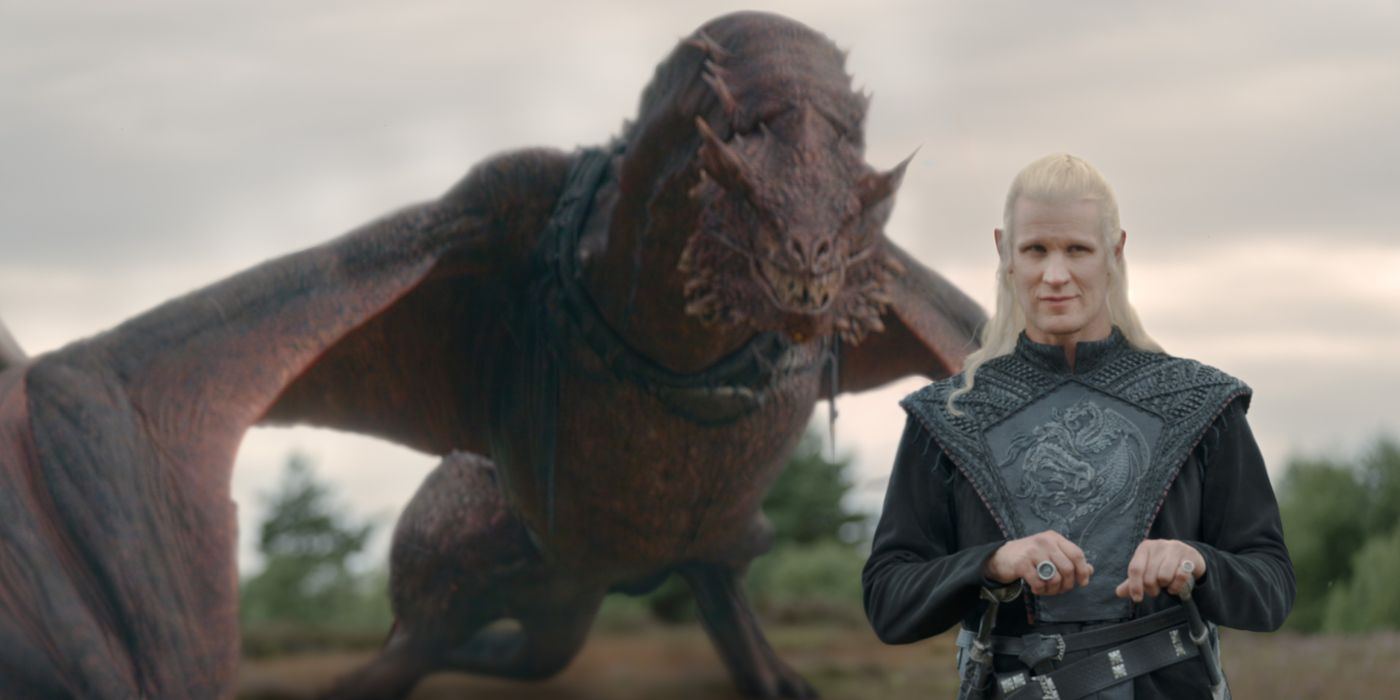
This article examines an inconsistency in the "Game of Thrones" universe: while Daenerys Targaryen's dragons in the original series grew at a clear, steady rate over roughly six to seven years, the dragons in prequel "House of the Dragon" show no consistent growth pattern despite the story spanning nearly two centuries of Targaryen history. The piece argues this represents a weakness in the newer show's worldbuilding compared to its predecessor's more logical approach to dragon biology.
The article traces Daenerys's three dragons from cat-sized hatchlings in the Season 1 finale to wolf-sized creatures by Season 3, then to full battle-ready adults by the show's end, a clear and believable progression. By contrast, in "House of the Dragon", dragons of wildly differing ages end up similar in size: Syrax and Seasmoke reach Drogon-like proportions but stop growing for a decade, while much older dragons like Caraxes and Meleys remain comparable in size to them. Meanwhile, some of the eldest Targaryen children's dragons, including Vermax, Moondancer and Tessarion, are barely large enough to be ridden despite being over twice the age of Daenerys's dragons, and Sunfyre is oddly similarly sized to dragons nearly 20 years its junior.
- "House of the Dragon" dragons grow inconsistently, unlike "Game of Thrones" originals
- Daenerys's dragons showed clear, steady growth over six to seven years
- Prequel dragons of vastly different ages end up oddly similar in size