How Labour seats have received three-quarters of a £12BILLION rise in benefits
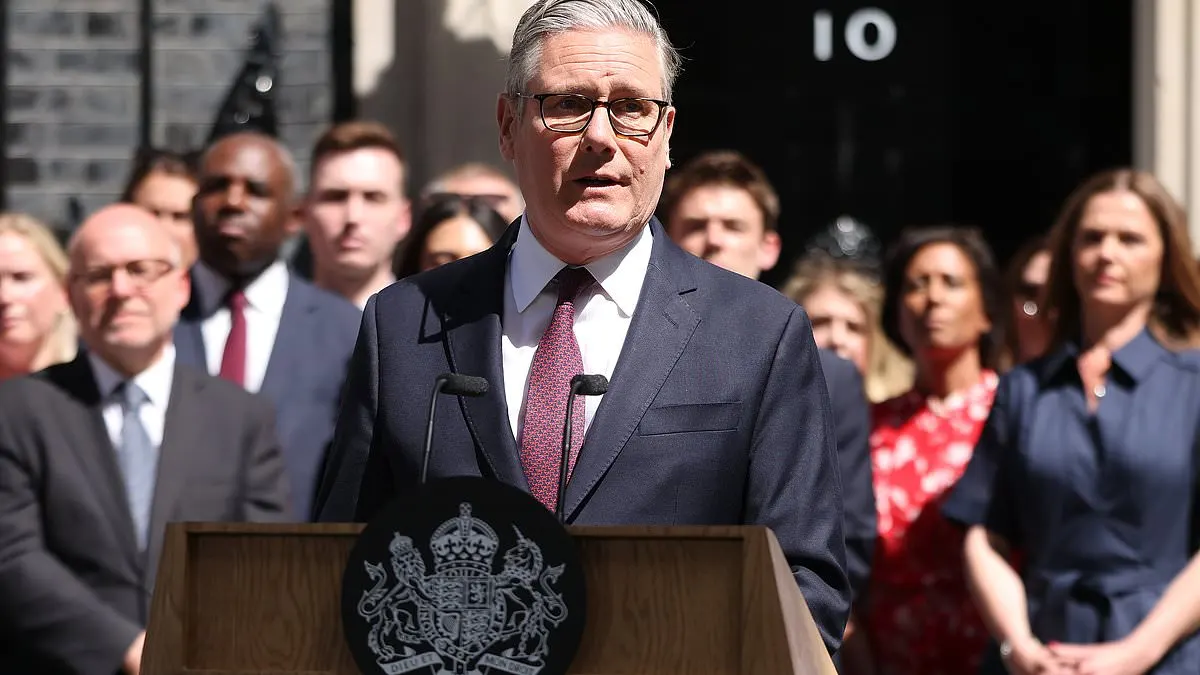
Analysis by the TaxPayers' Alliance reveals that Labour constituencies have received £8.8 billion of the £12.1 billion increase in benefits spending since the election – equivalent to 72 per cent of the total rise. This follows Labour MPs' rebellion against welfare reforms proposed by then-Prime Minister Keir Starmer, which prompted accusations that the party has become "trapped by its own welfare politics" with funds disproportionately flowing to Labour-held seats.
Hackney North and Stoke Newington, represented by Diane Abbott, experienced the largest increase at £76.6 million, over three times the average for other constituencies. Conservative constituencies received £1.8 billion of the increase, compared to £861 million for Liberal Democrat seats and £165 million for Reform seats. Analysis also showed that constituencies represented by welfare rebels saw benefit spending increase at rates 18 per cent higher than the average, prompting opposition criticism of Labour's handling of welfare costs.
- 72% of £12.1bn welfare increase went to Labour constituencies
- Diane Abbott's Hackney North saw largest constituency rise at £76.6m
- Opposition accuses Labour of failing to control benefit spending
New here? Start with this
Welfare benefits are government payments made to people who are unemployed, disabled, ill, or on low incomes. Since Labour took office, the government has significantly increased its total spending on these payments.
Before the election, Labour's leader had proposed welfare reforms. However, many Labour MPs publicly opposed these proposals, creating significant internal disagreement within the party. This shows that benefits spending is a politically sensitive issue within Labour.
The distribution of benefits spending across the country directly affects people relying on these payments. Examining where money flows can reveal whether spending reflects need, policy decisions, or other factors.