How U2 turned a cult guitar riff by The Fall into a launchpad for an album that sold 51 million copies
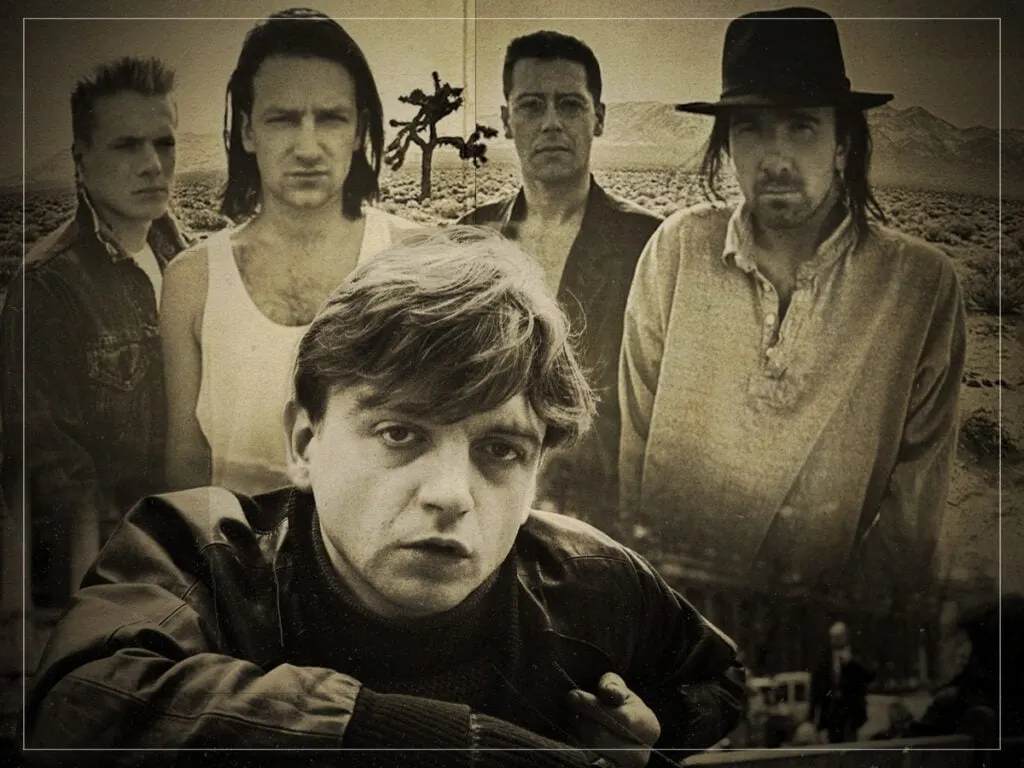
U2’s “The Joshua Tree” became a global hit by combining ambient art rock with blues, country and gospel influences, selling more than 51 million copies. The article argues that post-punk may also have fed into the album, particularly the fierce guitar riff in “Bullet the Blue Sky”.
The song took shape during sessions in Dublin after an earlier jam, and its lyrics drew on Bono’s concerns about US power and violence in Central America, informed by a human rights visit to El Salvador and Nicaragua. The article suggests the riff recalls Manchester band The Fall, though it says The Edge’s specific inspiration has never been confirmed; Mark E Smith later mocked U2 in a song despite The Fall opening for them on tour.
- “The Joshua Tree” sold more than 51 million copies.
- The article links “Bullet the Blue Sky” to post-punk.
- The Edge’s precise inspiration for its riff is unknown.
New here? Start with this
The Joshua Tree was U2's album released in the late 1980s that sold more than 51 million copies worldwide, making it one of the best-selling albums of all time. The album combined ambient art rock with influences from blues, country and gospel to create its distinctive sound.
The article argues that post-punk music, particularly from Manchester band The Fall, may have influenced the album's song "Bullet the Blue Sky". The song features a distinctive guitar riff from U2's guitarist The Edge, and whilst his specific inspiration has never been confirmed, the article suggests the riff may recall The Fall's sound.
The song emerged from recording sessions in Dublin and its lyrics reflect lead singer Bono's concerns about American power and violence in Central America, informed by his visits to El Salvador and Nicaragua. The Fall opened for U2 on tour, and the band's frontman Mark E Smith later publicly mocked U2 in one of his own songs.