Humanoid robots controlled by surgeons did world-first operation on live pigs
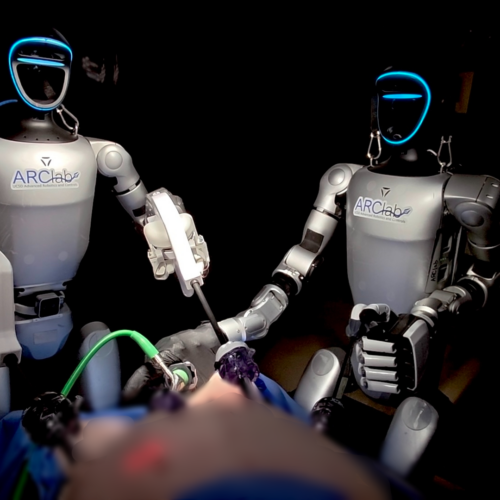
Human surgeons have used teleoperated humanoid robots to remove the gallbladders from two live pigs, in what researchers describe as a world-first preclinical experiment published in the journal Nature. Crucially, the robots were not acting autonomously but were remotely controlled by skilled surgeons, illustrating a human-robot collaboration rather than a replacement for doctors. If the approach eventually proves clinically ready for humans, such robots could bring robotic-assisted surgery to smaller or remote hospitals and clinics that cannot afford bulky, specialised surgical systems.
The team at the University of California San Diego used a Unitree G1 robot, nicknamed "Surgie", which stands about five feet tall and weighs 60 pounds; a baseline model starts at $13,500, though dexterous hands can push costs beyond $67,000. That remains far cheaper than Intuitive Surgical's da Vinci system, which can cost between half a million and several million dollars and weigh around 1,800 pounds. However, the experiment exposed clear limitations: the surgeries took much longer than with specialised systems, requiring frequent pauses to recalibrate or reposition the robots, while the G1's short 450mm arm span and latencies in the hundreds of milliseconds (above the ideal sub-150ms threshold) constrained performance. Researchers say they are continuing to refine the system, with a longer-term goal of an autonomous surgical assistant, though experts agree fully autonomous robots remain a long way off.
- Surgeon-controlled humanoid robots removed gallbladders from two live pigs in a world first.
- Cheaper, smaller robots could bring robotic surgery to remote or under-resourced clinics.
- Slow speed, short reach and high latency show the technology remains experimental.